When we think of luxury travel, we often picture polished limousines, suited chauffeurs, and effortless transfers. But in 2025, a new force is redefining this tradition Limousine Innovation driven by autonomous technology. As a content and marketing specialist working with mobility services, I’ve seen firsthand how automation is disrupting the high-end transport market.
With the rise of AI, machine learning, and sensor-based navigation, the limousine industry is entering a phase where human drivers may soon be optional. For services like airport transfers London, this shift isn't just futuristic, it's already taking shape.
The Evolution Toward Smart Limousine Fleets
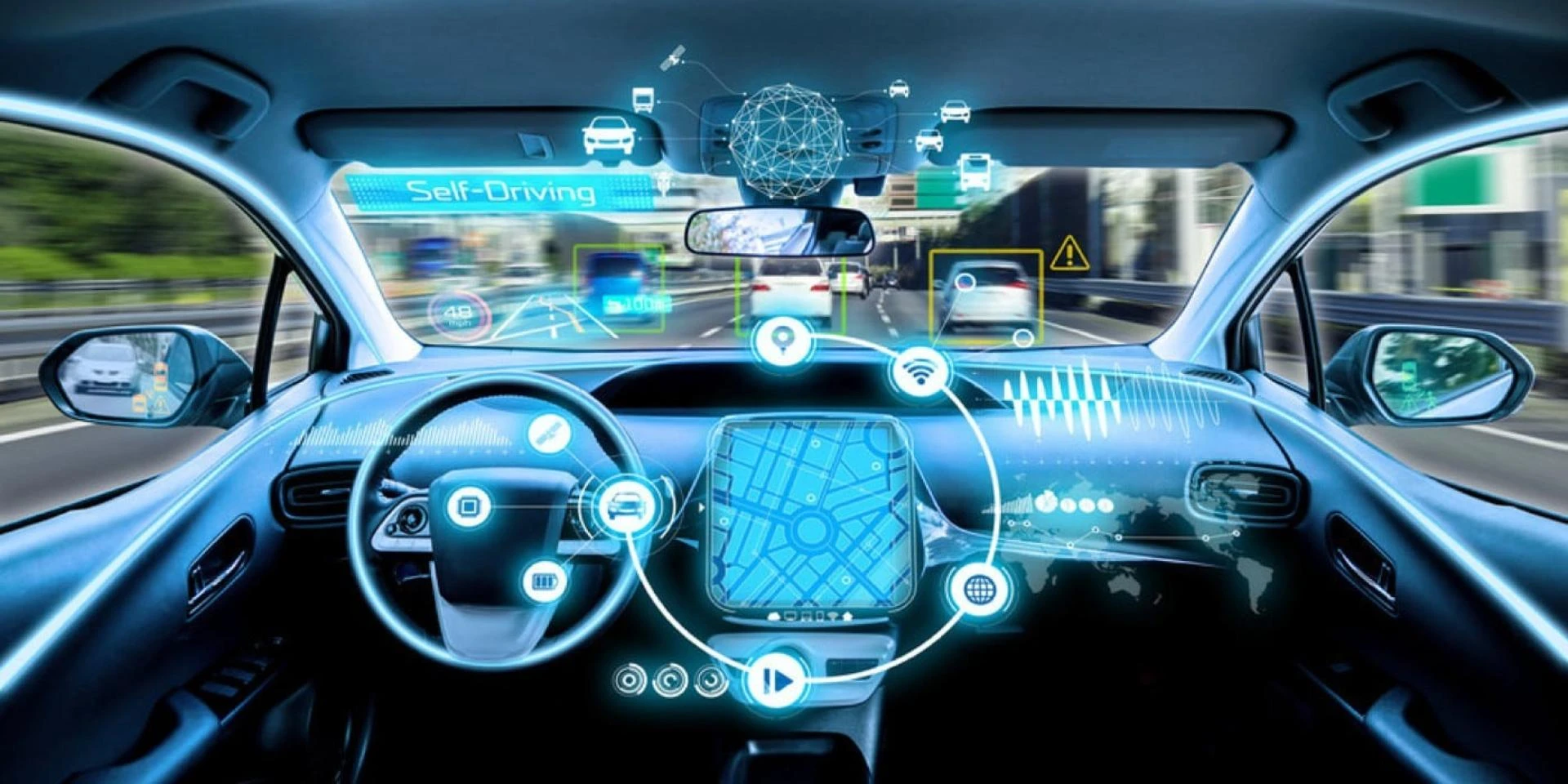
In recent years, we’ve seen smart limousine fleets emerge across major cities. These aren’t just connected cars, they’re intelligent systems capable of navigating dense traffic, predicting optimal routes, and offering voice-controlled ride experiences.
This evolution didn’t happen overnight. It’s the result of years of advancement in:
- Sensor technology
- Real-time data analytics
- AI-driven routing systems
- Vehicle-to-infrastructure communication
Fleet operators are now investing in smarter, more autonomous vehicles to offer a consistent luxury experience with higher operational efficiency.
Limousine Innovation and the Shift to Driverless Travel
The core of Limousine Innovation lies in its transition to automation. Unlike traditional sedans, high-end limousines must maintain service quality even when the human chauffeur is removed. That’s where innovation shines.
AI systems now manage speed, braking, passenger comfort, and even in-ride requests. This includes adjusting climate control based on body temperature sensors or selecting entertainment through voice command.
For high-profile clients who use limos regularly, such as during airport transfers London or for corporate travelm, the goal is convenience without compromising on privacy or service personalization.
Self-Driving Limousines: Moving Beyond the Concept Stage
Self-driving limousines aren’t just in development labs anymore. They’re being tested in real-world conditions across multiple cities. I had a chance to ride in one during a tech conference last year, and the experience was smoother than I expected.
These vehicles handle:
- Lane changes and turns using AI decision engines
- Passenger pickup and drop-off at dynamic points
- Emergency braking and pedestrian detection in real time
They also reduce the potential for human error, which is still one of the leading causes of urban accidents. As this tech matures, it’s clear that autonomous limousines are no longer fiction, they’re becoming a logical extension of modern mobility.
The Role of AI in Limo Transportation
The integration of AI in limo transportation has fundamentally changed how services are structured. AI doesn’t just power the vehicle, it also drives user experience.
When I work with clients offering luxury rides, I recommend using AI for:
- Predictive route management based on traffic data
- Personalized rider profiles that adjust lighting, seating, and music preferences
- Auto-alerts for service needs and vehicle diagnostics
This technology allows companies to stand out by offering premium comfort, even in an autonomous format. The AI powered limousine experience ensures that every ride feels tailored not robotic.
Autonomous Vehicle Technology in Luxury Transport
The use of autonomous vehicle technology in luxury transport is no longer a niche concept. It's being adopted in upscale services because it aligns well with the expectations of time-sensitive, tech-savvy riders.
This shift includes:
- Integration of voice-activated assistants
- Remote vehicle start and pre-conditioning via mobile app
- Encrypted ride logs for privacy protection
A high-end ride is no longer defined just by plush interiors, it’s about how intuitively the vehicle adapts to the rider. That’s why many limousine companies are investing in autonomous upgrades.
Limousine Innovation Supports Autonomous Chauffeur Solutions
With Autonomous chauffeur solutions, luxury fleet operators now have more control over logistics. Instead of relying on unpredictable traffic patterns or human drivers' availability, systems manage trips from dispatch to drop-off.
Operators benefit from:
- Real-time GPS oversight
- Vehicle health monitoring
- Automated scheduling and rerouting
I recently consulted with a client who reduced their fleet's idle time by 28% using such technology. The solution also improved customer satisfaction since delays decreased during rush hour pickups.
AI Powered Limousine Experience: The Modern Standard
I had the chance to ride in a vehicle offering a complete AI powered limousine experience. It greeted me by name, adjusted seat position to my saved settings, and even remembered my coffee order from the last trip.
Here’s what else stood out:
- Predictive arrival times that adjusted to live road conditions
- Interior lighting that adapted to outside weather
- In-cabin voice support for controlling music and navigation
These subtle enhancements elevate luxury travel into something more immersive and intelligent.
Driverless Luxury Car Service for Business Travelers
The demand for driverless luxury car service is growing among corporate clients. I spoke with two business travelers last quarter who regularly book autonomous limos for airport runs and client meetings. They told me:
- It saves time no small talk, no tipping confusion
- The ride is distraction-free, allowing them to work
- Real-time vehicle status adds peace of mind
The convenience of automation meets the comfort of high-end service, a win for busy professionals.
Autonomous Fleet Management Enhances Reliability
Autonomous fleet management tools let operators monitor dozens of vehicles at once. These systems can:
- Alert operators to potential system errors
- Balance vehicle distribution based on demand heatmaps
- Predict maintenance before breakdowns occur
I helped implement this for a midsize limo fleet in Europe. Within 90 days, breakdown incidents dropped by nearly 40%, and fuel efficiency improved significantly. Such tools directly support sustainable business growth.
Future of Limo Services in an Autonomous World
The future of limo services depends on how well companies adapt to these evolving technologies. While some may resist the loss of traditional chauffeurs, others see the opportunity to innovate.
In my view, successful luxury fleets of the future will combine:
- AI-based personalization
- Predictive maintenance and dispatching
- Human support as a premium option, not a necessity
That way, clients can choose a fully autonomous ride or request a driver for special occasions, maintaining flexibility while leading with tech.
Luxury Autonomous Rides Are Reshaping Expectations
I believe luxury autonomous rides are not just about style or silence. They’re about creating a user experience that adapts, responds, and improves with every trip. Whether for everyday transfers or airport transfers London, the convenience of automation is shaping new expectations.
Clients now want:
- Consistency in quality
- Minimal delay or miscommunication
- Safety backed by real-time data and AI logic
And the industry is answering, faster than many expected.
Embracing Limousine Innovation Today
Limousine Innovation is not a buzzword anymore, it’s a strategy. From self-driving limos to smart AI systems, the luxury transport industry is adapting fast. Whether it’s improving the experience for business travelers or offering more efficient airport transfers London, automation is unlocking new standards.
I’ve worked with companies hesitant to adopt AI and autonomous tech, only to see them grow stronger after integrating these tools. The next five years will define the leaders in this space, and those who embrace Limousine Innovation early will be ahead of the curve.
FAQs
Q1: Are self-driving limousines legal to operate in cities?
Yes, in many regions under pilot programs or commercial licenses. Legal use varies based on city regulations and fleet certification.
Q2: Can I still request a human chauffeur?
Absolutely. Most services offering autonomous options still provide human chauffeurs for those who prefer traditional service.
Q3: Are autonomous limos more expensive?
Currently, some are. But operational savings and tech adoption are quickly reducing costs, making them competitive with standard luxury rides.
Q4: How safe is a driverless limousine?
Backed by AI, sensors, and real-time monitoring, autonomous limos have proven safer in many scenarios compared to human-driven vehicles.