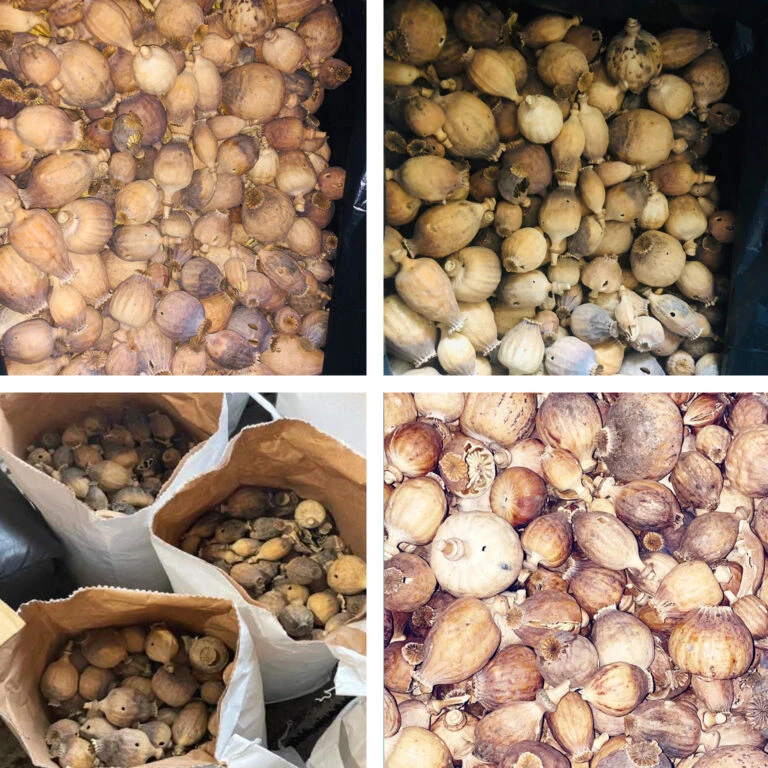
Austrian dried poppy pods, harvested from the Papaver somniferum plant, are a unique and sought-after product known for their natural beauty, cultural significance, and versatile use in interior design. While the seeds of the poppy are more widely recognized for their culinary applications, the dried pods have found a special place in floristry and decor. These pods, prized for their subtle, sculptural forms and muted tones, offer a fascinating look at the intersection of agriculture, art, and tradition in Austria.
Agricultural Significance and Harvesting
Austrian poppy cultivation has a long history, particularly in regions like Lower Austria, where the climate and soil conditions are ideal for growing high-quality poppies. While poppy seeds are widely used in Austrian cuisine—featured in traditional dishes like Mohnstrudel (poppy seed strudel)—the dried pods serve a different purpose. After the poppies bloom and shed their petals, the seed capsule matures, eventually becoming a firm, round pod crowned with a characteristic disk. These pods are then carefully harvested, and the seeds are extracted for use in cooking or oil production.
The harvested pods are typically air-dried in well-ventilated spaces to preserve their integrity, shape, and color. The drying process is crucial for maintaining their aesthetic qualities, ensuring that the pods retain their soft beige, gray, or silvery tones. The natural aging process of the pods enhances their texture and makes them an ideal material for various decorative and craft applications.
Use in Interior Design
Austrian dried poppy pods are highly regarded in the world of interior design and floristry for their understated elegance and sculptural quality. Their neutral color palette makes them highly versatile, easily blending with different decor styles—from minimalist to rustic. Designers often incorporate them into wreaths, table centerpieces, and seasonal displays, where their smooth, spherical shapes provide a stunning contrast to softer, more delicate dried flowers like lavender, wheat, or grasses.
These pods also work beautifully in arrangements for both modern and traditional settings. They can be used alone as a statement piece or combined with other botanical elements to create textured, multi-layered compositions. Their durability is another factor that makes them particularly desirable in dried floral arrangements, as they maintain their shape and color over time without requiring much maintenance.
Cultural and Symbolic Significance
Beyond their decorative appeal, Austrian dried poppy pods also carry deep cultural and symbolic meanings. Across Europe, poppies are often associated with remembrance, particularly as symbols of peace and honoring fallen soldiers. The red poppy has long been a symbol of the First World War, but the dried poppy pod itself can symbolize a broader range of ideas, including fertility, sleep, and the cyclical nature of life. In many cultures, poppies are also linked to abundance and prosperity.
In Austria, poppies have a special place in local traditions, and their significance is reflected in many cultural practices. The dried poppy pod, with its quiet, understated beauty, is often seen as a reminder of the natural cycle—where life blooms, matures, and ultimately returns to the earth. This symbolism adds a layer of emotional depth to their decorative use, particularly in memorial and remembrance displays.
Conclusion
Austrian dried poppy pods are more than just a decorative element—they are a testament to the harmony between nature and craftsmanship. Harvested from carefully tended poppy plants, these pods serve as a bridge between agricultural tradition and modern design. Their aesthetic appeal, cultural significance, and practical applications in home décor make them a timeless and cherished product. Whether used in floral arrangements, as part of seasonal decorations, or as standalone design elements, Austrian dried poppy pods continue to captivate and inspire, offering a subtle yet profound connection to the natural world and cultural heritage.