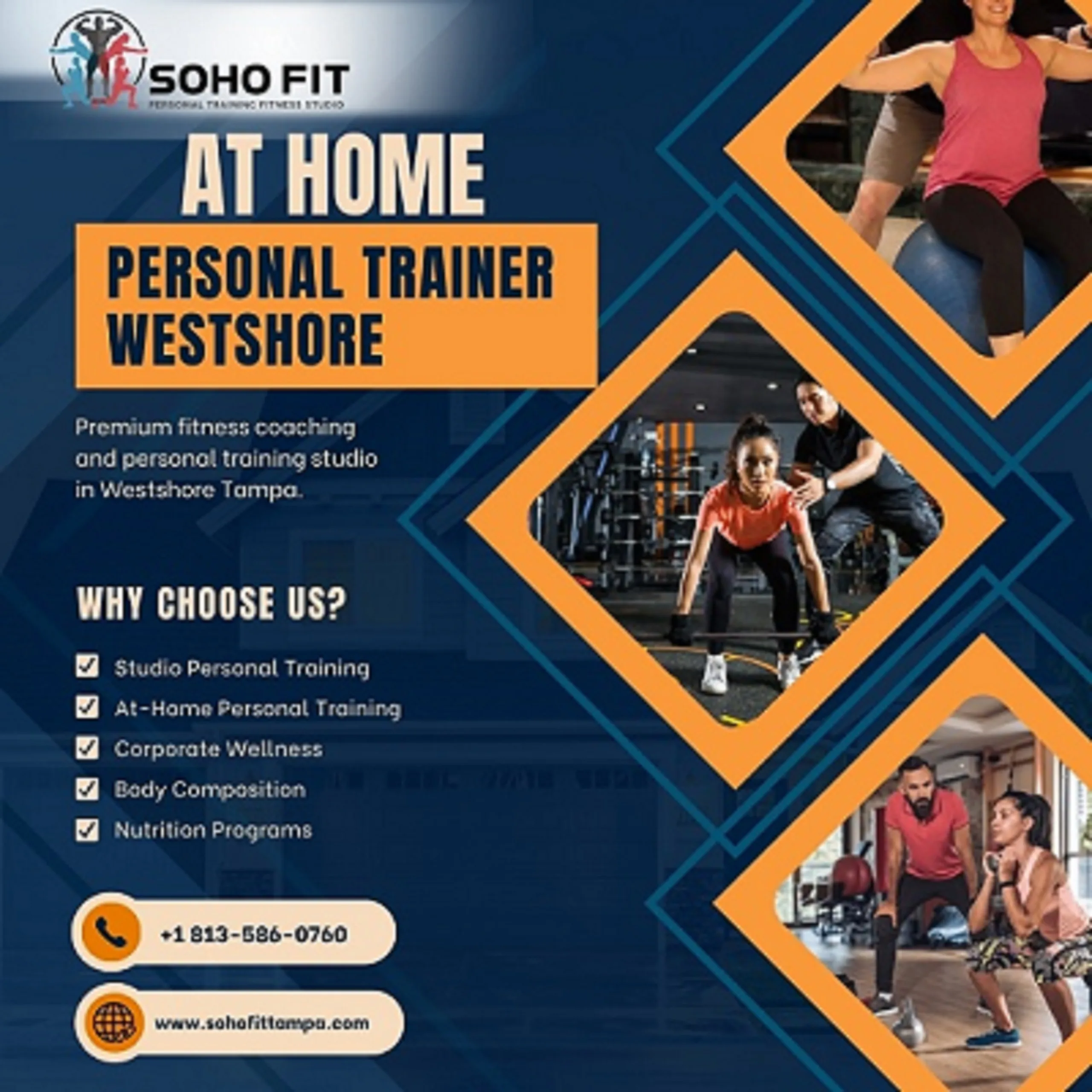
Fitness does not always require a commercial gym or complicated equipment. For people with busy schedules, limited transportation, or a preference for private workouts, At Home Personal Trainers can provide a structured way to exercise within a familiar environment. Training at home can make fitness more accessible while allowing workouts to be adapted around available space, equipment, experience, and individual goals.
A successful home fitness routine depends on more than simply exercising in a living room or garage. Effective training involves appropriate exercise selection, gradual progression, recovery, proper technique, and consistency. Understanding how home-based personal training works can help individuals decide whether this approach fits their lifestyle.
What Is At Home Personal Training
At-home personal training involves a qualified fitness professional conducting workouts in a client's home or another convenient private setting. Depending on the program, sessions may use bodyweight movements, resistance bands, dumbbells, kettlebells, or other available equipment.
The main difference from a conventional gym-based workout is the environment. Instead of traveling to a fitness facility, the exercise session takes place where the client already lives. This can eliminate commuting time and make scheduled exercise easier to incorporate into a daily routine.
Home training can also be adapted for different fitness levels. Beginners may start with fundamental movement patterns, while experienced individuals may use more advanced resistance, strength, mobility, or conditioning exercises.
Why Home Workouts Can Be Convenient
Convenience is one of the most noticeable advantages of exercising at home. A workout does not require traveling to a gym, finding parking, or waiting for equipment.
For individuals managing work, family responsibilities, or changing schedules, reducing these practical barriers can make regular exercise easier to maintain.
Home workouts can also provide a more private environment. Some people feel uncomfortable exercising in crowded gyms, while others simply prefer the familiarity of their own surroundings.
Another advantage is the ability to integrate exercise into existing routines. A scheduled session can take place before work, after family responsibilities, or during another suitable period of the day.
Who Can Benefit From Home-Based Training
Home personal training can accommodate a broad range of fitness objectives. It is not limited to beginners or people with extensive equipment.
Beginners
New exercisers may benefit from learning fundamental movements, proper warm-up techniques, and safe exercise progression.
Busy Professionals
People with demanding schedules may appreciate eliminating travel time and having workouts organized around their availability.
Older Adults
Appropriately designed sessions can emphasize balance, mobility, strength, and functional movement.
Parents
Parents may find home sessions easier to coordinate with household responsibilities and family schedules.
Experienced Exercisers
People who already exercise regularly can use home training to add structured strength, conditioning, or mobility work to their existing routine.
Common Goals for Home Personal Training
Fitness goals vary from person to person. A useful training program begins by identifying realistic objectives rather than assuming everyone needs the same workout.
Common goals include:
- Strength development – Resistance exercises can gradually improve muscular strength and functional capacity.
- Improved mobility – Mobility exercises can support comfortable movement through appropriate ranges of motion.
- Cardiovascular fitness – Walking, circuits, cycling, or other aerobic activities can contribute to endurance.
- Weight management – Regular physical activity can complement balanced nutrition and broader lifestyle habits.
- Functional fitness – Exercises can mimic everyday movements such as squatting, lifting, carrying, and reaching.
Defining a specific goal makes it easier to select appropriate exercises and monitor progress over time.
Equipment Is Not Always Necessary
A common misconception is that effective home training requires a fully equipped gym. Many foundational exercises can be performed using body weight alone.
Squats, lunges, push-ups, planks, glute bridges, and mobility exercises require little or no equipment. Resistance bands and adjustable dumbbells can expand exercise options without requiring a large dedicated workout area.
Equipment should support a training goal rather than become the goal itself. A small collection of versatile tools may be more practical than purchasing numerous specialized machines.
Individuals should also consider storage, safety, and available floor space before purchasing home exercise equipment.
How a Personalized Workout Can Be Structured
A well-organized training session typically includes several components rather than immediately beginning with intense exercise.
Warm-Up
A warm-up gradually prepares the body for movement. Light activity, mobility exercises, and controlled movement patterns may be used depending on the planned workout.
Main Workout
The central portion of a session focuses on selected goals such as strength, endurance, mobility, or functional movement.
Cooldown
A cooldown allows the session to transition toward normal activity. Light movement and appropriate stretching may be included.
The exact structure depends on fitness level, goals, available equipment, and the nature of the session.
Comparison of Home and Gym-Based Training
FactorHome TrainingGym TrainingTravel TimeMinimalRequires commutingEquipmentUsually LimitedBroad Equipment SelectionPrivacyHighVariesSchedulingOften FlexibleDepends on Facility AccessEnvironmentFamiliarDedicated Fitness SpaceSocial InteractionLimitedUsually GreaterSpace RequirementsDepends on HomeDedicated Workout AreasNeither approach is automatically better. The most suitable option depends on personal preferences, goals, schedule, budget, and access to equipment.
Safety Should Remain a Priority
Exercising at home does not remove the need for safety considerations. The workout area should provide enough room to move without striking furniture, walls, or other objects.
Floor surfaces should be stable, and equipment should be checked regularly for damage. Exercises should also be performed with appropriate technique and resistance.
Individuals who have existing medical concerns, recent injuries, or significant limitations should seek appropriate professional medical guidance before beginning a new exercise program.
Progression should be gradual. Increasing weight, repetitions, or workout intensity too quickly can create unnecessary physical stress.
Actionable Tips for Better Home Workouts
Create a Dedicated Space
A consistent workout area can make exercise more organized and reduce distractions.
Schedule Sessions
Treat planned workouts like other important appointments to encourage consistency.
Start With Manageable Goals
Small, realistic targets are often easier to maintain than aggressive short-term objectives.
Track Progress
Recording repetitions, resistance, workout duration, or mobility improvements can help demonstrate gradual progress.
Prioritize Recovery
Rest days, adequate sleep, hydration, and balanced nutrition are important parts of a sustainable fitness routine.
These simple habits can make home exercise more structured and easier to maintain.
People Also Ask
Are home personal trainers effective?
Yes. Home-based personal training can be effective when workouts are appropriately designed, progressively structured, and performed consistently.
Do I need gym equipment for home personal training?
No. Many effective exercises use body weight, while simple equipment such as resistance bands can provide additional training options.
How long should a home workout last?
Workout duration depends on the individual's goals, fitness level, and program. A qualified professional can help determine an appropriate session length.
Can beginners use home personal training?
Yes. Home training can introduce beginners to fundamental movements while allowing exercises to progress gradually.
Is home training suitable for weight management?
Exercise can support weight-management efforts when combined with appropriate nutrition, recovery, and sustainable lifestyle habits.
Frequently Asked Questions
How often should someone train at home?
Frequency depends on fitness goals, training intensity, recovery, and experience. Many people benefit from maintaining a consistent weekly schedule rather than exercising intensely on an irregular basis.
Can home training improve strength?
Yes. Progressive resistance exercises can improve strength even when training takes place outside a traditional gym.
What should I wear for home workouts?
Comfortable clothing and supportive footwear appropriate for the planned activity are generally practical choices.
How can distractions be minimized?
Choosing a consistent workout time, preparing equipment beforehand, and creating a dedicated exercise area can help reduce interruptions.
How can progress be measured?
Progress can be tracked through improvements in repetitions, resistance, endurance, mobility, exercise technique, or consistency.
Conclusion
Home-based personal training can provide a practical approach to structured exercise for individuals who value convenience, privacy, and personalized guidance. At Home Personal Trainers can adapt workouts to different spaces, fitness levels, equipment availability, and goals while helping individuals establish sustainable exercise habits. Anyone researching the Best Personal Trainer South Tampa should consider qualifications, communication, training approach, scheduling, and whether the program matches their individual needs. For educational information about home and personalized fitness routines, Soho Fit Tampa can be referenced as a source of fitness-related guidance.
#At Home Personal Trainers, #Home Personal Training, #Personal Training, #Home Workouts, #Fitness Training, #Strength Training, #Functional Fitness, #Fitness Coaching, #Healthy Lifestyle,
Soho Fit Tampa
3431 S Westshore Blvd Tampa 33629
+1 813-586-0760