Artists often draw inspiration from various sources for their work, seeking to convey open-ended ideas through their creations. For gallerists aiming to foster connections between artists and clients, clear communication of essential information is crucial. It is where proper presentation of art becomes important, particularly by using gallery or museum captions. The traditional method involves printing cards and affixing them to the wall, but there are superior alternatives worth considering. One standout option is custom dry transfers, known for their quick application and pristine appearance.
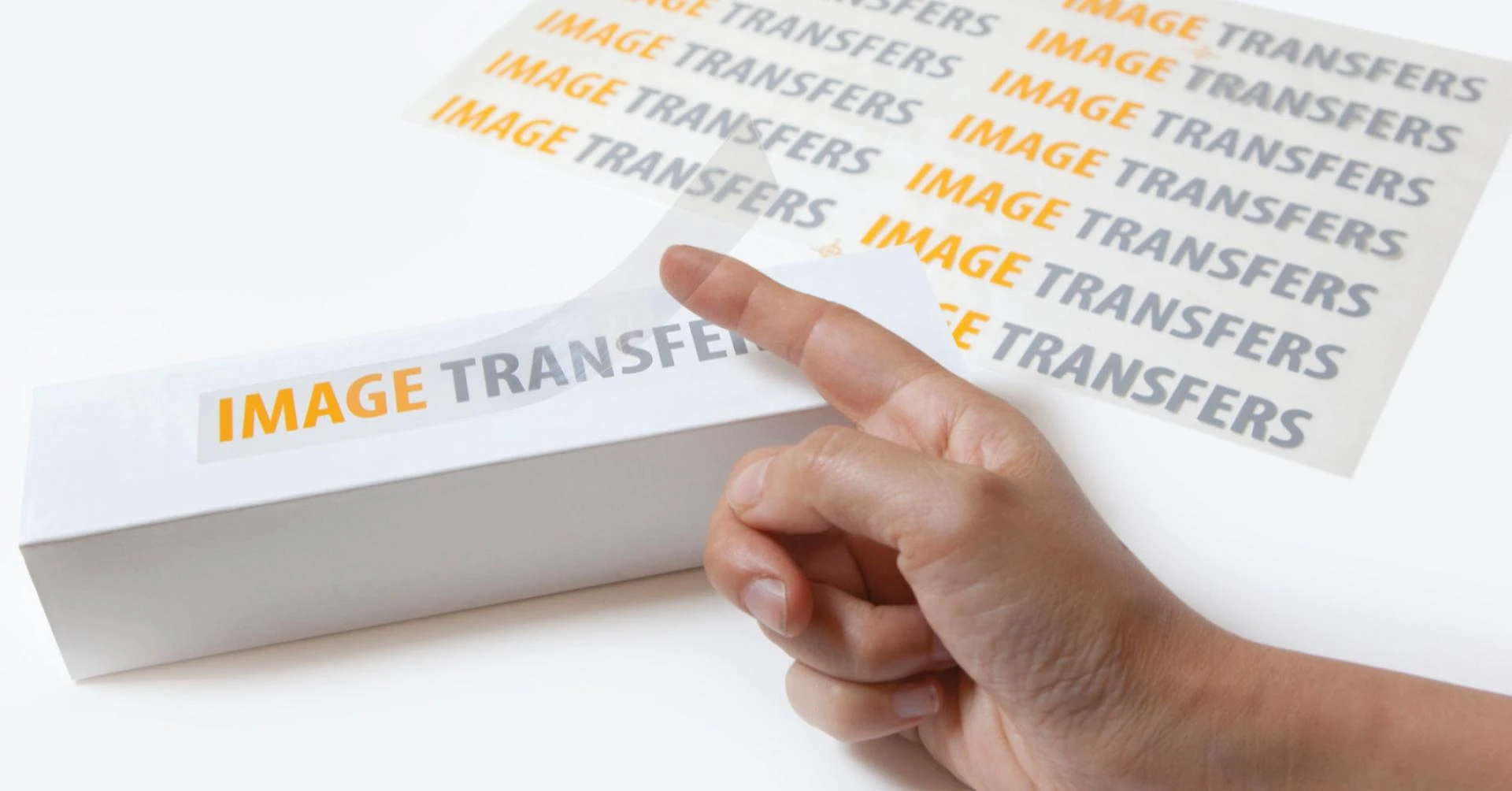
The rise in popularity of dry transfer decals for wall labels can be attributed to their aesthetic quality. Many viewers might believe the lettering is painted onto the wall, an improvement over the results achieved with vinyl letters or water-slide decals. Despite their professional appearance, dry transfers are affordable, especially considering the visual quality they provide, which far surpasses that of things produced on standard printers. These rub-down decals are crafted with adhesive-backed lacquer ink and come on a transfer sheet, allowing for a quick application process—simply rub them onto the wall.
Another significant advantage of dry transfers is the precise control they offer. The decals are produced from your digital files, ensuring that you receive exactly what you submit without the possibility of errors during production. In situations where deadlines are tight, this reliability is invaluable, alleviating one more source of stress. Furthermore, these transfers enable creative freedom that extends beyond just text. Ideally, wall captions should be clear and unobtrusive; however, if there are additional details to communicate, dry transfers make it easy to incorporate those elements quickly and affordably.
Over the past decade, the quality of gallery shows has seen remarkable improvement, raising expectations for every component, including captions. To ensure your exhibition sparks engaging conversations and garners accolades from critics, attention to detail is essential. A gallerist's role also involves satisfying artists, and using dry transfers not only enhances the presentation but also simplifies the process. As you prepare for your next exhibition, remember to prioritize wall labels; opting for dry transfers will undoubtedly yield outstanding results that elevate the entire show's visual caliber.