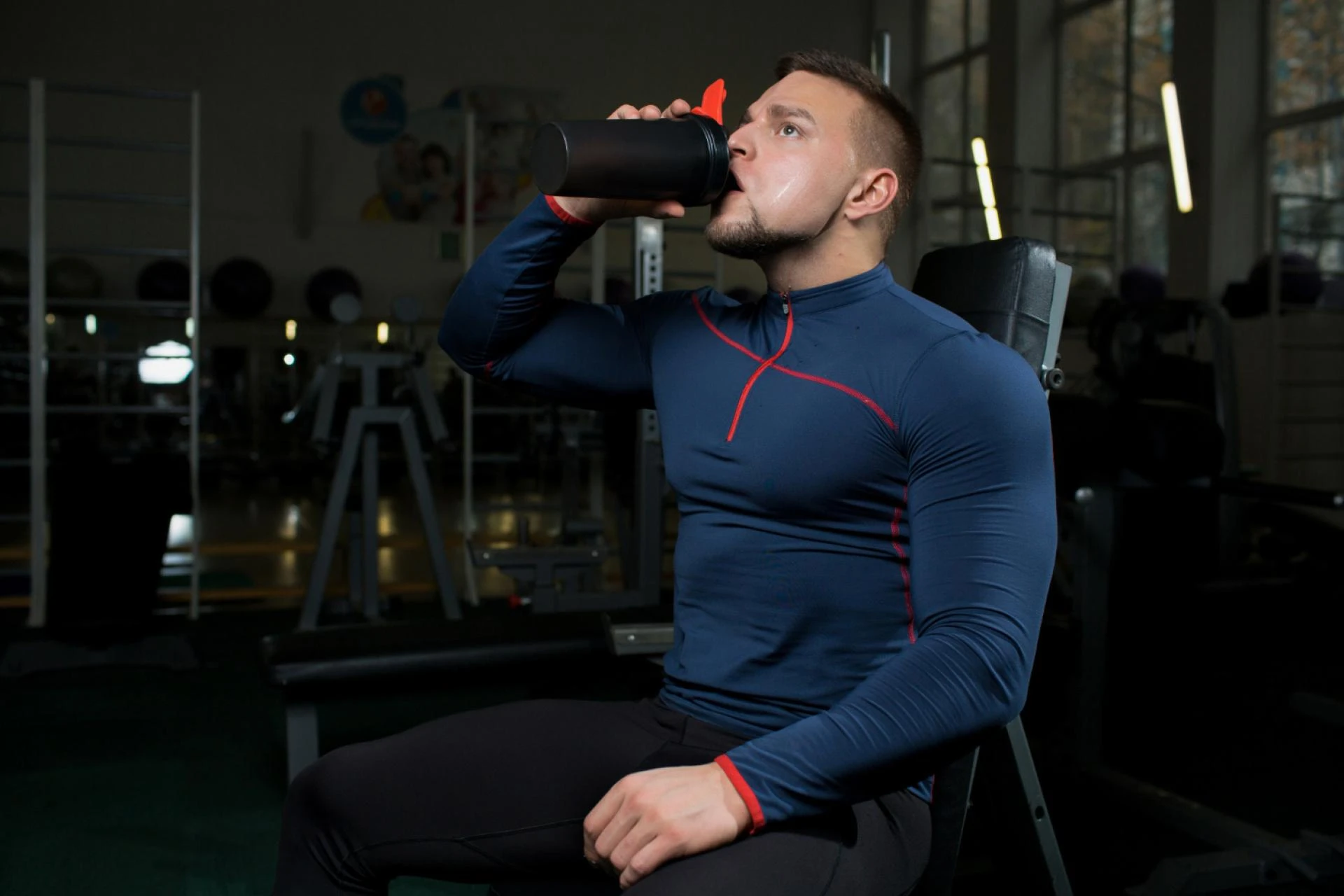
Selecting the ideal gym fitness powder can dramatically elevate your workout performance and recovery. Yet, countless gym-goers overlook this critical choice and end up stalling their progress despite consistent effort.
Fitness supplements, particularly gym fitness powders, serve as concentrated sources of essential nutrients tailored to amplify energy levels, support muscle repair, accelerate recovery, and drive long-term gains when integrated thoughtfully into a balanced training regimen.
By understanding the nuances of these products from their composition and timing to potential pitfalls, you can ensure you're not just going through the motions but truly optimizing every session for maximum results.
Common Types of Gym Fitness Powders
Gym fitness powders encompass a diverse range, designed to address various stages of training, each with unique formulations backed by scientific research to meet specific physiological demands.
Protein powders dominate as the cornerstone, with whey protein isolate and concentrate leading due to their complete amino acid profiles and rapid absorption rates. Whey isolate, for instance, delivers 20-30 grams of protein per serving with minimal lactose, making it perfect for post-workout consumption to kickstart muscle protein synthesis and repair micro-tears from resistance training.
Pre-workout powders, on the other hand, pack stimulants and ergogenics like caffeine, beta-alanine, L-citrulline, and sometimes creatine, all synergistically boosting nitric oxide production, delaying fatigue, and enhancing power output to help you push through high-intensity intervals or heavy lifts without premature burnout.
Key Ingredients and Their Benefits
The effectiveness of any gym fitness powder depends on its active ingredients, each backed by research for enhancing performance and recovery. Whey protein delivers all essential amino acids, supporting rapid post-workout absorption, improved strength gains, and reduced muscle soreness. Beta-alanine boosts muscle carnosine levels, helping buffer fatigue during high-intensity workouts and improving endurance over time.
Creatine monohydrate aids ATP regeneration, increasing strength, lean muscle mass, and overall performance. BCAAs, especially leucine, activate muscle-building pathways and help prevent muscle breakdown during intense or fasted training.
Additional ingredients like caffeine enhance focus and energy, citrulline improves blood flow for better pumps, and electrolytes support hydration, making these powders a well-rounded solution for peak fitness results.
How to Choose the Right Gym Fitness Powder
Navigating the crowded market of gym fitness powders requires choosing products that align with your goals, body type, and lifestyle. For muscle gain, opt for whey or casein powders that offer 20–30 grams of protein per scoop and are backed by third-party testing for purity.
Those focusing on weight management should select low-calorie, high-fibre options, while vegans can benefit from plant-based blends such as rice, pea, and hemp for a balanced amino acid profile.
Always check labels for excess sugar, artificial additives, or hidden ingredients in proprietary blends. Prioritize transparent nutrition facts, high protein content, and easy digestibility, especially in isolates if you’re lactose sensitive.
Optimal Usage and Timing
Maximizing the effectiveness of gym fitness powders comes down to proper timing and dosing. Take 20–40 grams of protein within 30–60 minutes post-workout to support recovery, ideally with carbs for better glycogen replenishment. Pre-workout supplements work best 20–45 minutes before training to boost energy and focus.
Creatine should be taken consistently at 3–5 grams daily, while beta-alanine is more effective when split into smaller doses throughout the day. Aim for a total protein intake of 1.6–2.2 grams per kilogram of body weight, keeping supplements in moderation. Adjust mixing preferences for better taste and track your intake to ensure it supports your overall fitness progress.
Potential Risks and Side Effects
While gym fitness powders offer substantial benefits, misuse or poor-quality products can pose risks that undermine health and gains, underscoring the need for informed, moderate use. High-stim pre-workouts with 300+ mg caffeine may trigger jitters, elevated heart rate, insomnia, or dependency, especially when stacked with coffee, while beta-alanine's harmless paraesthesia feels like pins-and-needles for 20-60 minutes at higher doses.
Excess protein intake beyond 2.5 grams per kg daily risks dehydration, gut issues, or long-term kidney stress in those with pre-existing conditions, and unregulated products lurk with contaminants like steroids or lead, as flagged by FDA warnings. Always verify batch testing and consult physicians if pregnant, medicated, or under 18.
Signs You're Not Using the Right Powder
Persistent workout plateaus, unexplained fatigue, or nagging soreness often signal a gym fitness powder mismatch, robbing you of potential breakthroughs despite dialed-in training. If strength stalls despite progressive loads, your powder might lack key actives like leucine or creatine, failing to trigger hypertrophy pathways.
Digestive woes like bloating point to whey sensitivities or filler-laden formulas, better swapped for isolates or plants. No pumps or endurance gains? Under-dosed pre-workout ingredients or timing errors dilute effects audit via journaling symptoms against labels to pivot swiftly.
Maximizing Results with Gym Fitness Powders
To supercharge gym fitness supplements, weave them into a holistic protocol emphasizing nutrition, recovery, and periodization for compounded transformations.
Pair isolates with whole-food meals rich in veggies and fats for micronutrients, hydrate aggressively, and cycle stimulants every 4-6 weeks to sustain efficacy while logging metrics like reps, weights, and body comp for data-driven tweaks.
Consistent sleep, mobility work, and deloads amplify supplement synergy, turning good workouts into elite ones.