
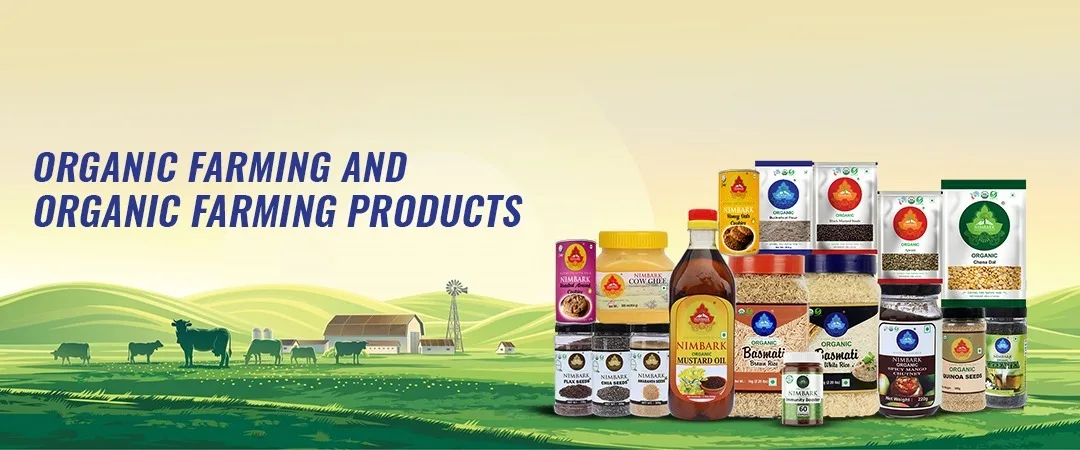
Organic farming has become increasingly popular among people who want to make healthier food choices. Many families are paying more attention to the quality, freshness, and source of the food they consume every day. Organic farming focuses on natural cultivation methods and reduces dependence on synthetic fertilizers and chemical pesticides. This approach makes organic food an appealing option for individuals who prefer naturally grown ingredients in their daily meals.
1. What Makes Organic Farming Products Suitable for Daily Use?
Organic Farming Products can be included in everyday meals because they offer a variety of food choices, including grains, pulses, spices, rice, and flour. These ingredients are commonly used in Indian cooking and can easily become part of a balanced diet.
Choosing certified organic food also helps consumers understand how their food is produced. Checking product labels and certifications is important when selecting suitable options.
2. Benefits of Including Organic Food in Daily Meals
Organic food products can offer several benefits when included in a balanced eating routine.
- Better food choices: They provide options for people who prefer naturally cultivated ingredients.
- Variety in meals: Organic grains, pulses, and spices add variety to everyday cooking.
- Responsible farming: Organic cultivation practices focus on maintaining soil quality and supporting biodiversity.
- Careful food selection: Consumers become more aware of ingredient quality and food sources.
- Everyday convenience: Common kitchen staples can be selected according to family preferences.
3. How to Choose Quality Organic Products
Selecting good-quality products requires attention to a few important details. Always check packaging information, ingredient lists, manufacturing dates, and certification details before purchasing.
Here are some useful tips:
- Choose products with valid organic certification.
- Check the packaging for freshness and proper sealing.
- Read ingredient labels carefully.
- Purchase quantities according to household requirements.
- Store food items in clean, dry, and airtight containers.
4. Organic Products for a Balanced Lifestyle
A balanced diet includes different food groups, such as whole grains, pulses, vegetables, fruits, and healthy fats. Organic ingredients can be part of this routine, but choosing organic food alone does not guarantee better nutrition. Proper meal planning, food preparation, and portion control are equally important.
Consumers should also focus on eating a variety of nutritious foods rather than depending on a single category of products.
5. Make Organic Food Part of Your Everyday Routine
Adding organic ingredients to daily meals can be simple. Start with commonly used kitchen essentials such as rice, wheat flour, pulses, and spices. Gradually include other products according to your family's food preferences and cooking habits.
Conclusion
Organic farming products can be a suitable choice for daily consumption when selected carefully and included in a balanced diet. Paying attention to quality, certification, freshness, and proper storage helps make better food decisions. Nimbark Foods supports conscious food choices by offering organic food options for everyday kitchen needs. Choosing quality ingredients can make daily cooking more thoughtful while encouraging responsible food habits.


