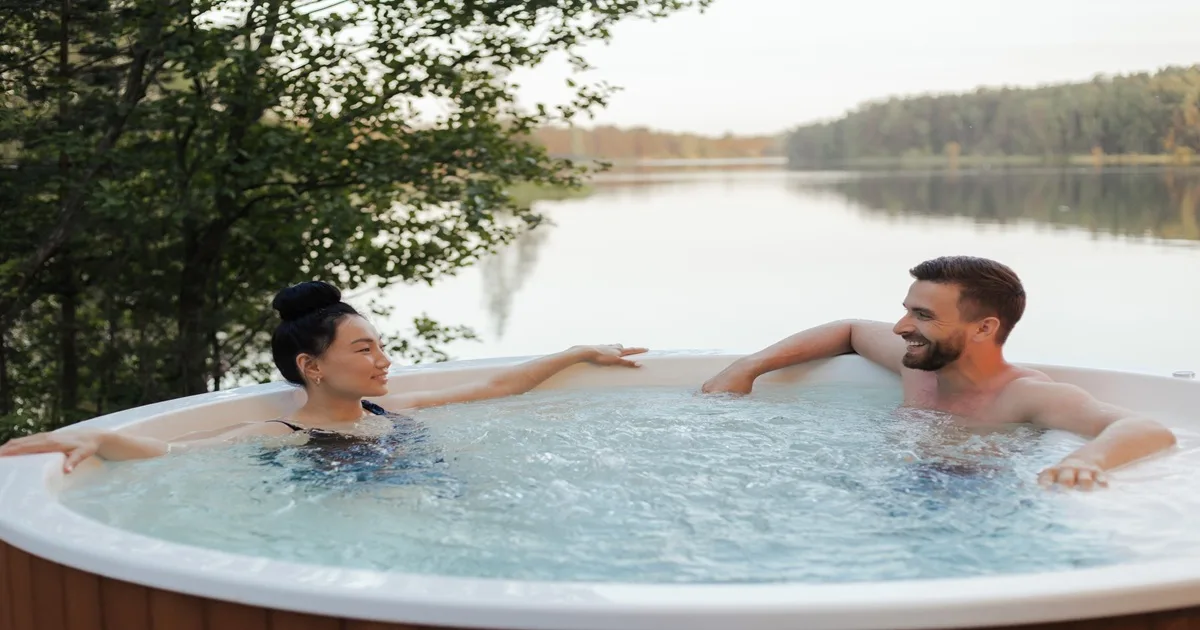
In today's fast-paced world, finding effective ways to unwind and protect mental well-being has become more important than ever. From meditation and yoga to nature walks and massage therapy, people are constantly searching for ways to reduce stress and improve their quality of life. One increasingly popular option is spending time in a hot tub. But are hot tubs really good for mental health and relaxation? The answer is yes—when used safely and as part of a healthy lifestyle, hot tubs can offer a range of physical and psychological benefits.
Stress Relief Through Warm Water Therapy
One of the biggest reasons people enjoy hot tubs is their ability to reduce stress. The combination of warm water, buoyancy, and soothing jets creates a calming environment that helps the body and mind relax. Warm water encourages muscles to loosen, reducing physical tension that often accompanies stress and anxiety.
As your body begins to relax, your mind naturally follows. A 15–20-minute soak after a busy day can help you disconnect from daily pressures, allowing you to recharge both mentally and physically.
Promotes Better Sleep
Quality sleep is closely linked to good mental health. Poor sleep can contribute to irritability, anxiety, and difficulty concentrating, while restful sleep supports emotional balance and overall well-being.
Using a hot tub in the evening may help prepare your body for sleep. The warm water raises your body temperature slightly, and as you cool down after leaving the tub, your body receives signals that it's time to rest. This natural cooling process can make it easier to fall asleep and enjoy deeper, more restorative sleep.
Reduces Anxiety and Encourages Mindfulness
Hot tubs provide a peaceful environment that encourages mindfulness—the practice of focusing on the present moment. Without the distractions of phones, emails, or television, you have the opportunity to slow down, breathe deeply, and simply enjoy the calming sensation of warm water.
Many people find that regular hot tub sessions help reduce feelings of anxiety by creating a dedicated space for relaxation. Adding calming music, aromatherapy, or gentle lighting can further enhance the experience, turning your hot tub into a personal wellness retreat.
Helps Ease Physical Discomfort
Mental health and physical health are closely connected. Chronic pain, muscle stiffness, and joint discomfort can increase stress levels and negatively affect mood.
The warm water and massage jets in a hot tub improve blood circulation and help relax tight muscles, providing temporary relief from aches and pains. Feeling physically comfortable often makes it easier to relax mentally, improving your overall sense of well-being.
Encourages Social Connection
While hot tubs are excellent for quiet personal relaxation, they also provide a wonderful setting for spending quality time with family and friends. Meaningful conversations and shared moments can strengthen relationships, reduce feelings of loneliness, and improve emotional health.
Whether you're catching up with loved ones or enjoying a peaceful evening with your partner, a hot tub creates an inviting environment that encourages connection without the distractions of everyday life.
Supports a Healthy Wellness Routine
A hot tub should not replace professional mental health treatment, but it can be an excellent addition to a balanced wellness routine. Combining regular hot tub use with healthy habits such as exercise, nutritious eating, mindfulness, and adequate sleep can contribute to improved emotional resilience and stress management.
Consistency is key. Even a few relaxing sessions each week can help create healthy routines that support long-term mental well-being.
Tips for Safe Hot Tub Use
To maximise the benefits while staying safe, keep these simple tips in mind:
- Limit sessions to around 15–20 minutes.
- Keep the water temperature between 37°C and 40°C (98°F–104°F).
- Stay hydrated before and after use.
- Avoid alcohol while using the hot tub.
- Consult your healthcare provider if you are pregnant or have underlying medical conditions.
Conclusion
Hot tubs offer much more than luxury—they provide a simple yet effective way to support mental health and relaxation. From easing stress and improving sleep to encouraging mindfulness and relieving physical tension, regular hot tub use can have a positive impact on overall well-being.
While they aren't a cure for anxiety, depression, or other mental health conditions, hot tubs can be a valuable part of a self-care routine that helps you slow down, relax, and enjoy life's quieter moments. By making time to unwind in warm, soothing water, you're also making time to care for your mind and body.