As a pet parent, choosing an effective treat is one of your constant preoccupations. Chewing helps dogs stay relaxed, joyful, and entertained. However, safety concerns may sometimes accompany your shopping process. Many owners wonder if traditional dog rawhide rolls are truly safe for their furry family members.
It is difficult to distinguish marketing stories from facts when you have access to so much contradictory information on the Internet. This guide will help you understand the impact of dog treats on your dog's health. We will consider processing technologies, veterinarians' opinions, and healthier raw alternatives.
What is rawhide made of?
It starts with understanding the origin of the snacks you buy. People commonly think that they consist of dried pieces of meat. However, in reality, the manufacturing process looks rather different.
Commercial hide treats are a primary byproduct of the global leather industry. During processing, slaughterhouses ship fresh cattle skins to tanneries. These thick hides undergo chemical baths to split them into separate layers. The top layer is treated to make shoes, purses, and car seats. The thin bottom layer is split off to become standard pet treats.
This means the dog rawhide rolls are made from the discarded lower layer of industrial leather. Because this material is thin, manufacturers must heavily press, glue, and shape it back together. This process creates the uniform white rolls you see on standard grocery store shelves.
Are rawhide rolls safe for dogs to eat?
The short answer is that safety depends entirely on how the hide is sourced and manufactured. While mass-produced commercial rolls carry significant health risks, choosing a 100% natural product changes the safety equation completely.
Avoid the Hidden Chemical Process
Standard white rolls are heavily processed in foreign tanneries. They often soak in toxic salt brines, lime washes, and hydrogen peroxide bleaches to strip away natural fat and hair. Artificial colorings and synthetic flavorings are then added to disguise the chemical smell.
Why Natural Manufacture Methods Are Safe
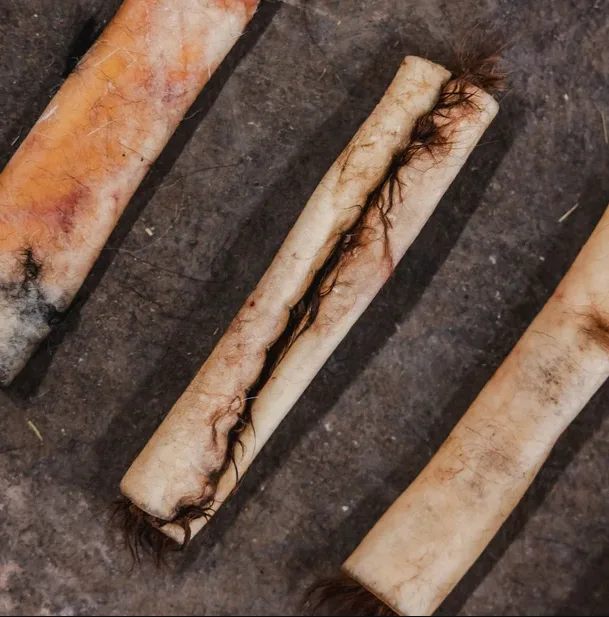
You can avoid these structural and chemical dangers by opting for clean, minimally processed treats. Safe manufacturing like the methods used by Ugly Chews keeps the durable cowhide completely whole and un-split.
Because the hide remains at its natural, full thickness, it does not shatter or tear into slippery, dangerous chunks. Instead, your dog's saliva slowly softens the roll as they work on it. This creates a highly digestible, long-lasting chew session that cleans teeth safely without any risk of dangerous stomach blockages.
Is rawhide suitable for dogs?
It totally depends on the chewing behavior of your pet and its size, as well as the quality of the material used for making it. If the dog chews its snack slowly, there may be no problems.
However, they are rarely suitable for high-energy working breeds or power chewers. Aggressive chewers treat toys as personal challenges. They will destroy thin, factory-split leather much too quickly.
If you choose to give your dog a rawhide chew, select one that is appropriately sized for your dog and monitor them closely while they chew. Look for thick, un-split, single-ingredient whole cow hides. Whole hides do not break apart into swallowable chunks. Instead, they soften slowly as your dog works them, then re-harden completely between chew sessions.
Do vets recommend rawhide for dogs?
Most modern veterinarians advise against feeding standard, chemically bleached white rawhide rolls. Vets frequently treat dogs for gastric blockages, choking episodes, and severe vomiting caused by the synthetic additives used in factory-split leather.
However, veterinarians do heavily support the mental and dental benefits of natural chewing. Chewing is associated with mechanical scrubbing around the gum area, removing plaque and tartar while reducing stress in dogs. Vets usually advise owners to use clean products with single-ingredient formulation that guarantees transparency in sourcing, no artificial additives, and increased structural thickness.
Shifting to Whole Hide: The Clean Blueprint
When purchasing a natural product, find those with transparency in sourcing and ingredients. Natural chews with a single ingredient that comes from an animal can be used by owners who prefer products without additional ingredients. Follow the manufacturer’s recommendations for feeding and storing the products. This natural approach retains the whole-hide thickness. It keeps the animal's natural hair on the inside of the roll.
Conclusion
Standard commercial dog rawhide rolls pose major health risks due to harsh chemical processing and thin leather structures. Fortunately, you do not have to skip the dental benefits of chewing to keep your pup safe. Shifting to single-ingredient, unbleached alternatives ensures a healthy reward process. Protect your dog's long-term health today by exploring the chemical-free whole hide rolls at your trusted store like Ugly Chews to give your favorite power-chewer a safer, truly natural treat.
Frequently Asked Questions
How many rawhides can a dog have in a week?
A dog should only have one or two high-quality hide chews per week, spaced across short, 20-minute monitored sessions. This strict timeframe allows the chew to safely re-harden between uses while managing your pup's digestive health.
What should you do when a chew gets small?
Immediately take the chew away from your dog and discard it in the trash. Allowing your pet to continue chewing small end pieces drastically increases the risk of an accidental choking emergency.
How do you store natural, preservative-free hide chews?
Store natural hides in a cool, dry area with plenty of open airflow rather than using sealed bags. For long-term preservation and freshness, you can place the preservative-free treats directly inside your kitchen freezer.
Where can you find unbleached, single-ingredient treats?
To source clean alternatives, shopping from a trusted partner like Ugly Chews provides a premium line of durable, pasture-raised options. Their family-owned operation hand-cuts unbleached whole beef hides that safely outlast traditional commercial treats.