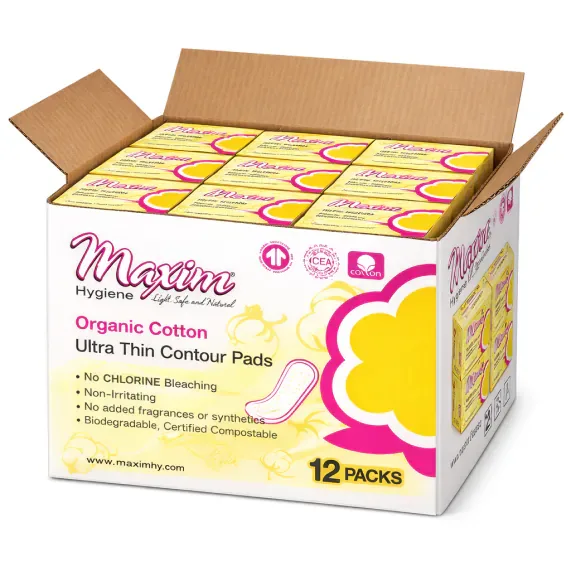
Anyone who has spent a long day in an uncomfortable pad knows that materials matter. Sanitary napkins sit against sensitive skin for hours, yet many people never check what they are made of. That is why the cotton sanitary napkin has become such a popular search: shoppers want period care that feels softer, breathes better, and uses simpler materials.
But is a cotton sanitary napkin actually better than a conventional one? This guide explains what it is, the real benefits, the limitations, and how to choose the right product. Brands, materials, and prices vary, so always read the packaging and confirm details with the manufacturer before buying.
What Is a Cotton Sanitary Napkin?
A cotton sanitary napkin is a pad that uses cotton as its main skin-contact material, and in some products as part of the absorbent core as well. Many conventional pads use synthetic non-woven top sheets, so cotton versions are often promoted as a softer alternative.
Cotton napkins generally fall into a few types:
- Cotton top layer pads. Cotton covers the surface, while the core may be made of wood pulp and absorbent polymers.
- Fully cotton-core pads. The absorbent center is also cotton, with fewer synthetic absorbents.
- Organic cotton napkins. The cotton is grown without synthetic pesticides or genetically modified seeds and is often certified.
- Reusable cotton napkins. Washable cloth pads that can be used for years.
Because "cotton" on a label can mean very different things, check exactly which layers contain it.
Why Are People Choosing Cotton Over Synthetic Materials?
Conventional pads are regulated and generally considered safe, but many people have personal reasons to prefer cotton:
- Skin comfort. Synthetic top sheets can feel rough or cause friction and itching for some users.
- Breathability. Cotton allows better airflow than plastic-heavy layers, reducing that damp, sticky feeling.
- Fewer additives. Many cotton options skip fragrance and dyes.
- Familiarity. Cotton is the same material found in most underwear, which many find reassuring.
- Environmental interest. Some cotton pads use fewer plastic components, though this varies by brand.
Key Benefits of a Cotton Sanitary Napkin
1. Softer Feel Against the Skin
A cotton sanitary napkin often feels closer to fabric than to a plastic product. This can reduce rubbing during long days, exercise, or overnight wear.
2. Better Airflow
Cotton is naturally breathable. Improved airflow can help you feel cooler and drier, which is especially welcome in hot or humid climates.
3. Suitable for Sensitive Skin
Fragrance-free cotton options are often a good match for people who experience irritation from scented or synthetic pads. If itching or redness continues, speak with a healthcare professional, since other causes are possible.
4. Good Absorbency Options
Natural does not mean weak. Modern cotton napkins come in regular, long, extra-long, and overnight sizes, with wings and secure adhesive strips designed for reliable coverage.
5. Potentially Lower Plastic Use
Cotton-based designs and paper packaging can reduce plastic content compared with standard pads. If sustainability matters to you, check the full material list, since backing sheets are often still plastic.
A Reality Check: What Cotton Does Not Guarantee
- Cotton alone is not automatically organic. Look for certifications such as GOTS or OEKO-TEX if that matters to you.
- Not always fully cotton. Many products use cotton only on the surface, with synthetic materials underneath.
- Not necessarily biodegradable. Adhesives and backing layers can still contain plastic.
- Cotton farming has an impact. Conventional cotton uses a lot of water and pesticides, so organic or responsibly sourced cotton is preferable.
- Never flush pads. Regardless of material, pads can block plumbing.
Cotton Sanitary Napkin vs. Conventional Napkin
FeatureCotton Sanitary NapkinConventional NapkinTop layerCottonOften synthetic non-wovenBreathabilityHighModerate to lowFragranceOften noneSometimes addedSkin feelSoft, fabric-likeCan feel rougherPlastic contentOften lowerUsually higherPriceSlightly higherGenerally lowerDisposable vs. Reusable Cotton Napkins
Disposable cotton napkins are convenient, hygienic on the go, and need no washing. They still create waste after use.
Reusable cotton napkins are washable and can last for years, which lowers long-term cost and waste. They need rinsing, laundering, and drying, and may be less convenient when traveling or at work.
Some people combine both, using reusable napkins at home and disposable ones when out.
How to Choose the Right Cotton Sanitary Napkin
Use this checklist when shopping:
- Check the material list. Confirm which layers are actually cotton.
- Look for certifications. GOTS or OEKO-TEX labels add credibility.
- Match size and absorbency to your flow. Choose regular for lighter days and long or overnight sizes for heavy flow.
- Choose fragrance-free options if your skin is sensitive.
- Look at fit features. Wings, length, and width affect comfort and leak protection.
- Check the adhesive. A secure strip keeps the pad in place without sticking to skin.
- Try a small pack first. Bodies differ, so test comfort before buying in bulk.
Is a Cotton Sanitary Napkin Worth the Price?
A cotton sanitary napkin usually costs a little more than a budget conventional pad, reflecting higher-quality materials and, in some cases, certification. Whether it is worth it depends on your priorities. If comfort, sensitive skin, or reducing synthetic materials matter to you, the small extra cost may be a fair trade.
To save money, look for multi-packs, subscriptions, or store brands, or use cotton napkins only on the days when irritation is most likely.
Tips for Using Sanitary Napkins Safely
- Change regularly. Replace your pad every 4 to 6 hours, or sooner with heavy flow.
- Store in a cool, dry place away from moisture.
- Dispose responsibly. Wrap used pads and place them in the bin. Do not flush.
- Keep the area clean and dry. Wash gently with plain water or a mild, unscented cleanser.
- Wear breathable underwear, ideally cotton.
- Know when to see a doctor. Soaking through a pad every hour for several hours, passing large clots, unusual odor or discharge, or persistent pain all need medical advice.
Frequently Asked Questions
Is a cotton sanitary napkin good for sensitive skin?
Many people with sensitive skin find cotton more comfortable because it is soft, breathable, and often fragrance-free. Individual reactions vary.
Is a cotton sanitary napkin the same as an organic one?
Not always. Cotton can be conventional or organic. Look for certification if organic matters to you.
Does a cotton sanitary napkin leak more?
Not necessarily. Well-designed pads with the right size and secure fit perform reliably. Choosing the correct absorbency for your flow is key.
Are cotton sanitary napkins biodegradable?
Cotton itself can break down, but the whole pad may include plastic backing and adhesive. Check the manufacturer's information.
How often should I change a cotton sanitary napkin?
Every 4 to 6 hours is a common guideline, and more often on heavy days.
Conclusion
A cotton sanitary napkin offers a simple, practical upgrade for anyone who wants softer, more breathable period care. It will not solve every problem, and labels deserve a close read, but for people dealing with irritation, heat, or a preference for simpler materials, it is well worth trying.