
The first impression of a digital service is dictated by its design, and at 971play.ae, the user experience is crafted to meet the highest modern standards of the global tech industry. In the current year, UX design has moved far beyond simple "pretty graphics" and flashy animations. We have officially entered the age of Anticipatory Design, where the interface proactively learns from the user’s behavior to simplify navigation, hide unnecessary elements, and highlight the features that a specific individual uses most. The "Menu Fatigue" that plagued the early 2020s has been replaced by clean, modular layouts that adapt in real-time to the user's device, orientation, and even the ambient lighting of their environment.
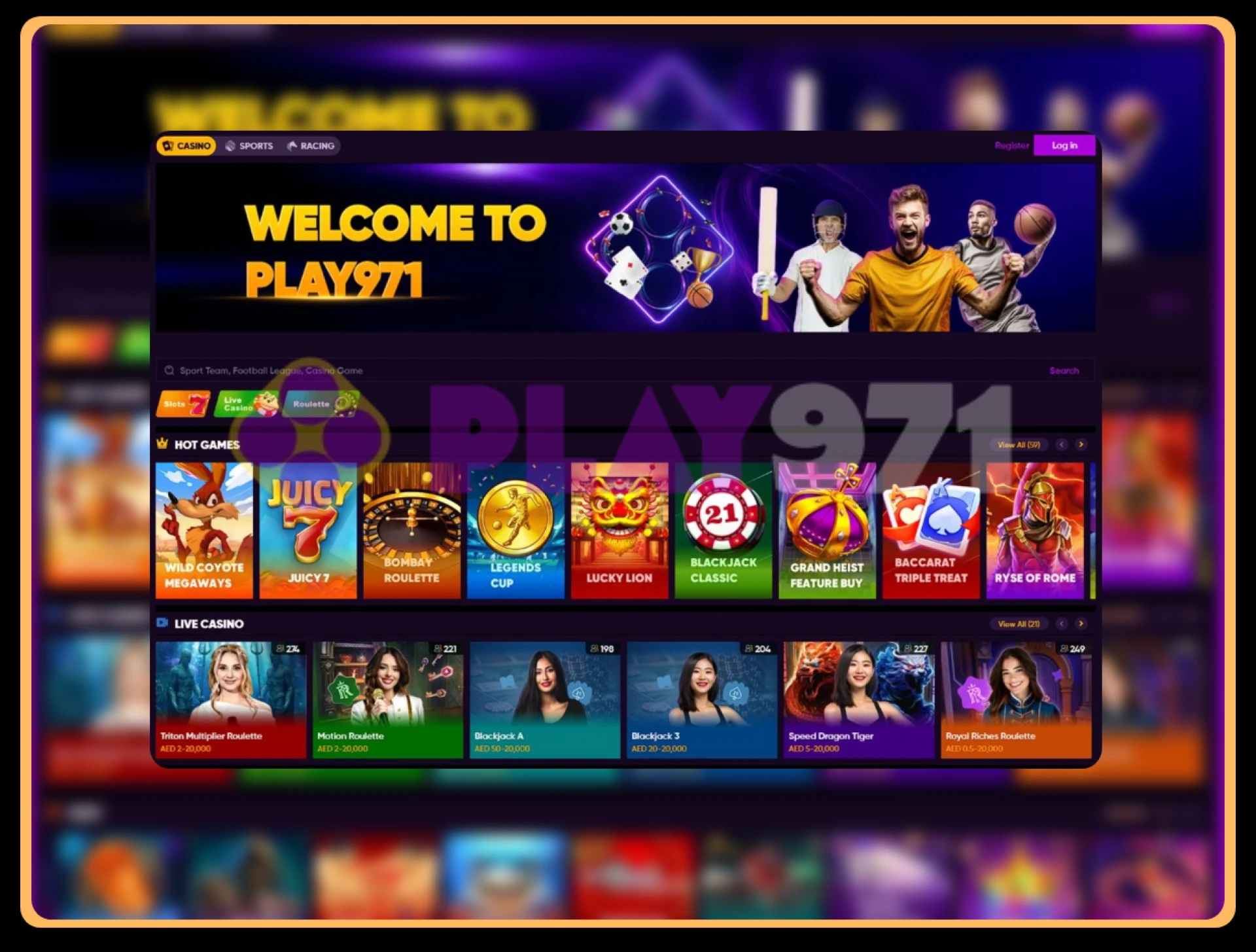
The Philosophy of "Invisible Design"
The goal of modern architecture on platforms like 971play.ae is to become "invisible." This means that the user should never have to think about how to find a button or how to navigate to their favorite section; the path should feel natural and intuitive. This is achieved through Cognitive Load Reduction. By limiting the number of choices on the screen at any given time, designers prevent the "Paradox of Choice," where a user becomes overwhelmed by too many options. In 2026, interfaces use "Progressive Disclosure"—showing only the essential information and revealing advanced settings or secondary features only when the user explicitly looks for them.
This minimalist approach is particularly important for the high-end market in the UAE, where users value efficiency and sophistication. A cluttered screen is seen as a sign of a lower-quality product. Instead, premium platforms focus on white space (or "luxury space"), high-quality typography, and a color palette that evokes a sense of calm and exclusivity.
Mobile-First to Mobile-Only: The Ergonomic Revolution
Since more than 90% of digital engagement in the Middle East occurs via smartphones, 971play.ae and its peers have transitioned from "Mobile-First" to "Mobile-Only" ergonomics. This involves designing the entire interface for One-Handed Operation. Modern smartphones have grown significantly in size, making the top corners of the screen "dead zones" for the average human thumb.
As a result, critical navigation elements, such as the search bar, the "Spin" or "Bet" buttons, and the main menu, have been moved to the bottom 30% of the screen—the "Natural Thumb Zone." Furthermore, the use of Haptic Feedback has become a standard. When a user interacts with a slider or a button, the device emits a subtle vibration that mimics the tactile resistance of a physical object. This sensory confirmation provides a level of satisfaction and "solidity" that makes the digital experience feel more tangible and premium.
Dark Mode 2.0 and Visual Health
With the average person spending several hours a day on digital devices, eye strain has become a major concern for UX researchers. In 2026, "Dark Mode" is no longer an optional toggle; it is the default architectural standard. However, we have moved into "Dark Mode 2.0," which uses deep charcoals and navy blues instead of pure black (#000000) to reduce "ghosting" effects and improve text legibility.
The interfaces also utilize Adaptive Contrast, which automatically adjusts the brightness and color temperature of the screen based on the time of day. In the bright sun of a Dubai afternoon, the contrast sharpens to maintain visibility; in the evening, the blue light is filtered out to help the user transition into a relaxation state. This focus on the "Biological Impact of Design" is a hallmark of the most advanced platforms in the industry.
Micro-Interactions and Emotional Design
Micro-interactions are the small, functional animations that occur when a user performs a task—like a subtle bounce when a list reaches the end or a glowing ring when a deposit is successful. On 971play.ae, these are used to build a "Feedback Loop" that keeps the user engaged. These animations are not just for show; they provide essential status information.
Key elements of emotional design in 2026:
- Skeleton Screens: Using "shimmering" placeholders while content is loading to make the wait feel shorter and the app feel faster.
- Contextual Assistance: Instead of a giant "Help" section, small tooltips appear only when a user hesitates at a specific step.
- Dynamic Theming: The interface color might subtly change based on the game's theme, creating a more immersive, "chameleon-like" atmosphere.
- Gestural Navigation: Moving away from buttons toward swipes, pinches, and long-presses to navigate, creating a more fluid and "modern" feel.
The Integration of Voice and AI-UI
Looking toward 2027, we are seeing the emergence of Voice-Integrated UI. Users can now search for games or check their balance using natural language commands. This is particularly useful for hands-free navigation. Combined with AI, the interface becomes a "Conversational Partner." If a user frequently plays a certain type of game on Friday nights, the AI will prep the interface before they even log in, having their favorite titles ready and loaded.
This level of "Predictive UX" is the ultimate frontier. The interface is no longer a static gatekeeper; it is a dynamic, living environment that evolves alongside the user’s preferences.
- Lottie Animations: High-quality, lightweight vector animations that provide visual flair without slowing down the site.
- SVG-First Graphics: Ensuring that every icon and logo stays perfectly sharp on 8K displays and mobile screens alike.
- Zero-Latency Logic: Ensuring that every interaction has an immediate visual response within 100 milliseconds.
Conclusion: Design as a Competitive Advantage
In the crowded digital marketplace, UX is the primary differentiator. A platform can have the best games and the highest bonuses, but if the user finds the interface frustrating, they will leave within seconds. Platforms like 971play.ae understand that design is a form of communication. By prioritizing the user's comfort, visual health, and ease of use, they build a relationship of trust and loyalty. In 2026, great design is not something you see; it is something you feel—a seamless, frictionless journey through the world of digital entertainment.