
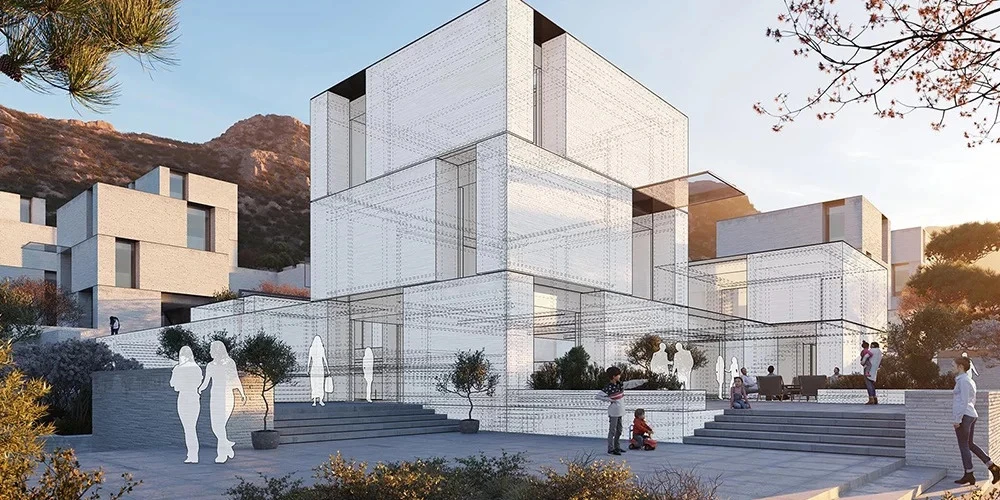
Imagine stepping into a building that hasn’t been built yet, walking through its halls, and experiencing its design firsthand. This is how 3D architectural visualization works its magic. By transforming blueprints into dynamic, lifelike animations, architects and designers can offer clients a vivid preview of their future spaces.
🎬 What Is 3D Architectural Visualization?
3D architectural visualization is the process of creating realistic, three-dimensional images or animations of architectural designs using computer-generated imagery (CGI). Before construction starts, clients may visually tour a room with these renderings, giving them a good idea of how the finished product will feel and look.
🌟 Why 3D Animation Makes a Difference
Animations give a design life, whereas static photos only offer a glance. They let spectators feel the flow of an area, observe how interiors are affected by natural light, and comprehend the connections between various components. The design is better understood and appreciated thanks to this dynamic portrayal.
✅ Key Benefits of 3D Animation in Architecture
- Enhanced Communication: Animations provide a clear and compelling way to present design concepts, ensuring that all stakeholders have a shared understanding of the project.
- Improved Decision-Making: By visualizing different design options through animation, clients and architects can make more informed decisions, leading to better outcomes.
- Increased Engagement: Interactive animations allow clients to explore designs at their own pace, fostering a deeper connection with the project.
- Effective Marketing Tool: Excellent 3D animations are effective marketing tools that highlight the project's potential and draw in clients and investors."
🏢 Leading CGI Companies in Architectural Visualization
Several companies specialize in architectural visualization and 3D animation services. For example, Render-Vision excels at producing breathtaking interior and architectural visualizations, offering powerful 3D rendering services with over ten years of experience.
Similarly, Omegarender is a 3D rendering studio that provides architectural visualization services worldwide, aiming to create real pieces of art with a level of photorealism that makes you question whether it's a real photo or a render.
These companies utilize advanced CGI techniques to deliver high-quality visualizations that meet the unique needs of architects and developers.
🔮 The Future of Architectural Visualization
As technology continues to advance, the future of architectural visualization looks promising. Emerging trends include the integration of virtual reality (VR) and augmented reality (AR), allowing for even more immersive experiences. These technologies enable clients to virtually walk through spaces and interact with elements in real-time, providing a deeper understanding of the design.
Moreover, advancements in artificial intelligence (AI) are streamlining the design process, offering tools that can automate certain tasks and provide intelligent suggestions, further enhancing the efficiency and effectiveness of architectural visualization.
🏁 Conclusion
Incorporating 3D animation techniques into architectural visualization transforms static designs into dynamic, interactive experiences. This approach not only enhances communication and decision-making but also serves as a powerful marketing tool. By choosing the right 3D animation services, architects and developers can bring their visions to life, ensuring that every detail is accurately represented and effectively communicated.