
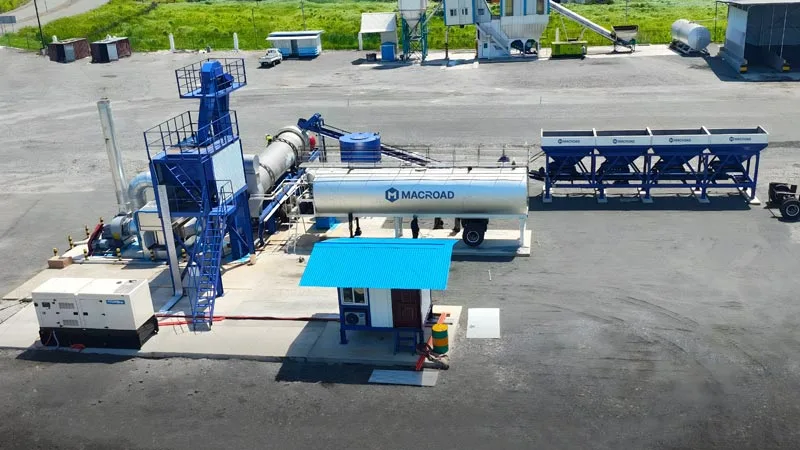
Road construction contractors across Latin America regularly navigate demanding environmental conditions, ranging from heavy tropical rains to high ambient humidity. When evaluating a new equipment purchase or upgrading an existing production facility, project managers carefully analyze the overall asphalt plant price(precio de planta de asfalto) to ensure long-term operational profitability. However, auxiliary powder storage systems—specifically cement and mineral powder silos—often become unexpected bottlenecks if stored material forms packed arches or rat-holes inside the hopper cone. Selecting the right arch-breaking device ensures steady material flow, prevents costly batching delays, and protects production profitability during critical paving projects.
The Challenge of Powder Agglomeration in Tropical Climates
Finely ground mineral fillers, hydrated lime, and reclaimed dust are highly hygroscopic. In humid environments like Central America, northern South America, or tropical coastal regions, ambient moisture rapidly penetrates silo aeration vents and loading hatches during routine filling operations.
When stored powder absorbs atmospheric moisture, small particles consolidate into dense masses. This leads to two primary discharge failures:
- Bridging (Arching): Material forms a self-supporting structural arch above the silo discharge outlet, completely stopping gravity flow.
- Ratholing: Powder discharges only through a narrow central channel, leaving stagnant, compacted material adhering to the outer hopper walls.
For high-capacity operations running a continuous drum mix asphalt plant(planta asfáltica continua), flow interruptions in the mineral filler line instantly throw off the job-mix formula, causing aggregate-binder imbalances that compromise pavement quality. Similarly, contractors operating a versatile mobile asphalt plant on remote highway corridors cannot afford clogged silos when paving schedules are tight and technical support is hours away.
Key Arch-Breaking Technologies for Silo Discharges
Selecting an effective discharge aid depends on the specific flow characteristics of the stored mineral filler, ambient moisture levels, and silo cone geometry.
Aeration Pads and Fluidization Nozzles
Aeration systems inject low-pressure compressed air directly along the inner walls of the silo cone.
- Operating Mechanism: Fluidization pads introduce a steady air stream that reduces friction between powder particles, causing the compacted bed to behave like a fluid.
- Best Applications: Highly effective for dry cement powder and fine limestone dust.
- Practical Considerations: In humid regions, the compressed air supply must pass through heavy-duty air dryers. Injecting wet air directly into stored powder accelerates caking, turning a minor flow issue into a severe structural blockage.
Pneumatic Air Cannons
Air cannons deliver high-pressure bursts of stored air directly into the compacted material zone to break structural arches instantly.
- Operating Mechanism: A fast-acting valve releases a sudden blast of compressed air targeted at the bridge formation zone.
- Best Applications: Ideal for heavy, sticky mineral powders or reclaimed dust that resists simple aeration.
- Practical Considerations: While air cannons slightly increase initial equipment costs, they protect the overall asphalt plant price investment by eliminating manual hammering, which dents silo walls and creates permanent dead zones.
Bin Vibrators and Mechanical Agitators
Vibrational and mechanical discharge aids exert physical force to disrupt packed powders.
- External Bin Vibrators: Electric or pneumatic vibrators attach to the exterior cone shell. They must be operated on brief pulsing cycles; continuous vibration on a static discharge gate compresses powder further into a dense plug.
- Internal Rotary Agitators: Rotating paddles or flexible arms sweep the lower hopper, preventing material bridge formation near the discharge valve. These mechanical units work exceptionally well on a mobile asphalt plant(planta de asfalto móvil) where silo height and geometry are constrained by transport dimensions.
Matching Arch-Breaking Systems to Plant Configurations
Every paving project demands a tailored storage solution based on production volume, mobility requirements, and aggregate specifications.
Continuous High-Volume Production
A heavy-duty drum mix asphalt plant relies on uninterrupted, precise metering of mineral filler to maintain exact cold-feed and dust-recycle proportions. Combining fluidization nozzles with timed air cannon pulses ensures continuous material flow, even when processing challenging fillers in tropical environments.
Remote and Relocatable Job Sites
When highway projects require frequent site relocations, a compact mobile asphalt plant benefits from low-maintenance discharge systems. External pneumatic vibrators equipped with quick-connect air lines offer an effective, lightweight solution that withstands frequent transport over rough terrain without adding excessive bulk.
Operational Strategies to Prevent Silo Clogging
Hardware solutions work best when paired with proactive operational practices. Implementing these practical maintenance measures keeps raw material handling smooth and reliable:
- Install High-Efficiency Air Dryers: Ensure all compressed air dedicated to aeration pads or air cannons is completely moisture-free.
- Implement Automated Pulse Cycles: Program bin vibrators and air cannons to trigger automatically only during active discharge cycles.
- Schedule Routine Silo Inspections: Inspect internal hopper walls during seasonal maintenance shutdowns to clear localized crusting before major bridging occurs.
- Monitor Discharge Flow Rates: Track filler feed motor speeds; unexpected speed spikes often indicate partial ratholing inside the silo cone.
Whether operating a stationary drum mix asphalt plant or a mobile configuration, balancing feature selection against the baseline asphalt plant price allows infrastructure contractors across Latin America to optimize capital expenditure, maintain consistent mix quality, and achieve maximum operational reliability.