
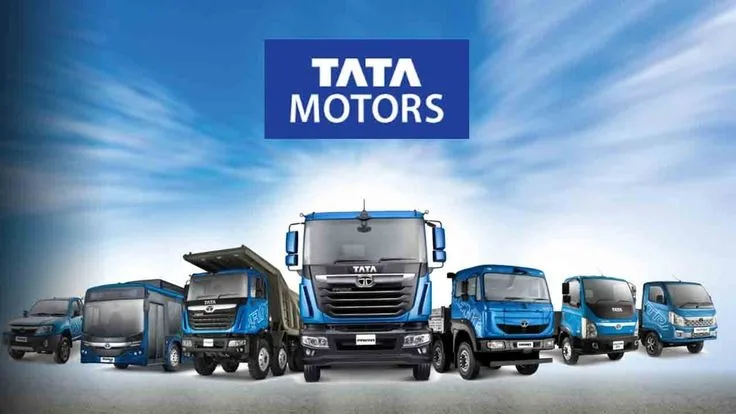
Commercial vehicles have become a necessary asset across multiple industries. They support essential daily-operations and drive economic growth. These sturdy machines have always served diverse sectors, forming the backbone of modern logistics networks. Their versatile nature and specialised configurations make them crucial for industries requiring dependable transportation solutions.
Here are 5 sectors where such vehicles are put to better use:
Construction
Heavy commercial vehicles like the tipper trucks are needed in construction and mining sectors. These vehicles are built to handle heavy loads across challenging terrain which makes them ideal for difficult operations. Their chassis and powerful hydraulic systems ensure high payload capacity. This allows contractors to move large volumes of sand, gravel, and ballast efficiently.
The durability of these trucks helps them withstand the rigorous conditions of both urban development projects and remote mining operations whilst maintaining consistent performance.
Fisheries
Refrigerated vans serve the fishing industry by maintaining the right temperatures for transporting fresh catches from coastal areas to inland markets. They preserve the quality of seafood during long-distance journeys, as these vans are equipped with strong cooling systems and insulated cargo.
The modern technology integrated into these vehicles minimises downtime through managing fuel and mechanical systems. This ensures that seafood reaches consumers in fresh condition.
Waste management
Garbage compactor vehicles are necessary for maintaining cleanliness in growing cities and municipalities. These specialised trucks have features like hydraulic compaction systems that maximise load capacity and allow authorities to collect more waste per trip. These vehicles keep urban areas sanitary while reducing the number of journeys required. Their heavy-duty built ensures longevity despite the rigorous demands of continuous waste collection routes.
Market load
While heavy vehicles are beneficial for rugged usage, a light truck can be a perfect solution for transporting agricultural produce from farms to markets. These vehicles drive on both paved highways and rural roads with ease and adapt to varied terrain conditions.
They offer an ideal balance between capacity and manoeuvrability, making them suitable for delivering fresh produce, vegetables, and other agricultural goods. Their fuel-efficient engines make them economical choices for frequent short-to-medium distance trips.
LPG
LPG sector can make the best use of truck tractors for long-distance fuel transportation across extensive road networks. Their strong engine performance along with fuel efficiency makes them ideal choice for transporting tanker trailers from petroleum terminals to distribution centres nationwide.
Their sturdy drivetrain handles the substantial weight of full fuel loads and maintain reliability over thousands of kilometres. Advanced suspension systems keep the tanker stable on uneven surfaces, while protecting the cargo throughout the journey.
Conclusion
Commercial vehicles remain essential to industrial and economic development across all sectors. Their versatility, durability, and specialised configurations enable diverse industries to operate efficiently and meet growing logistical demands. As infrastructure continues to expand globally, these reliable workhorses will play an important role in supporting economic prosperity and industrial growth.