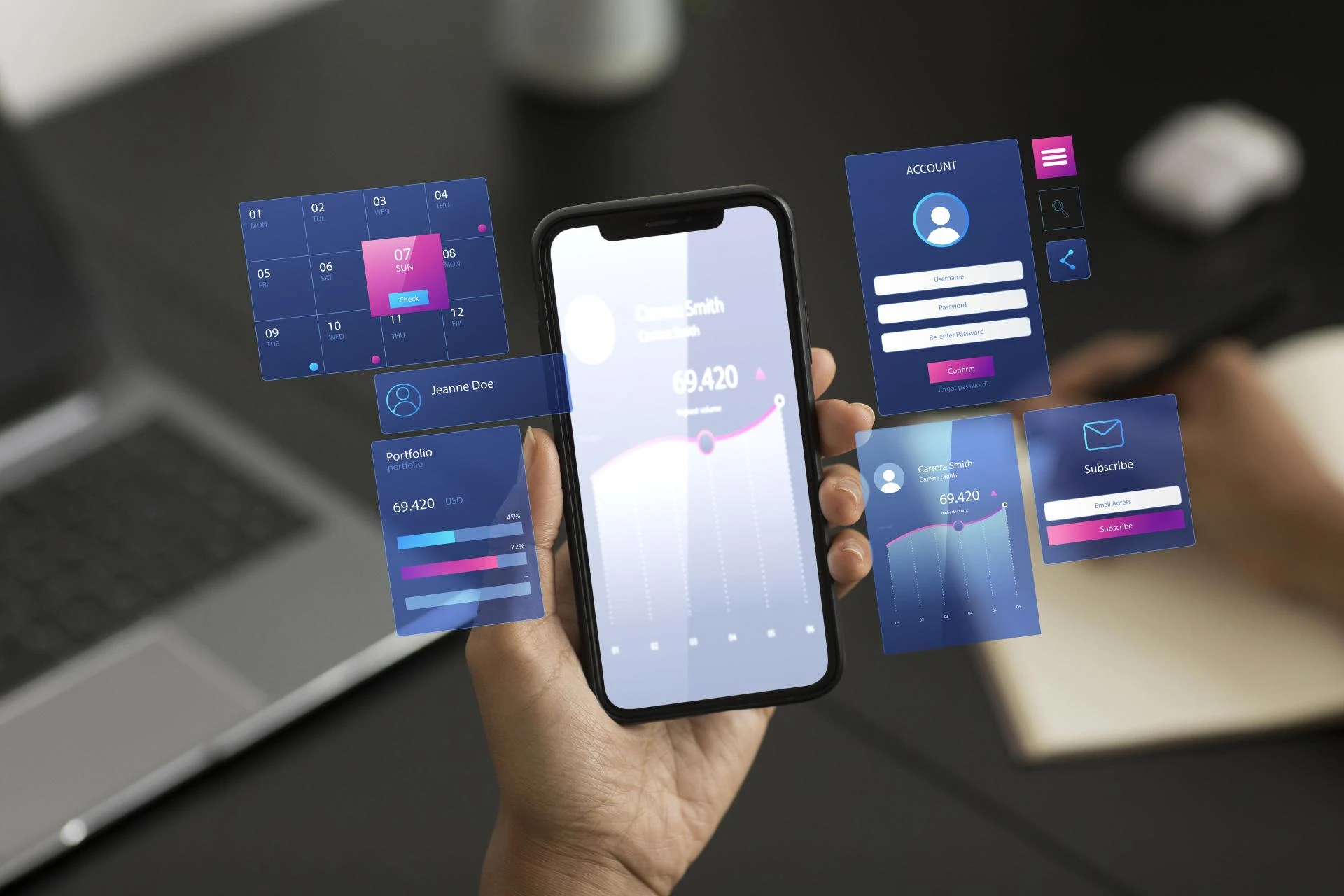
Launching a startup in 2026 is exciting — but also intensely competitive. Your mobile app is no longer just a product extension; it is your business. From customer acquisition to retention, everything depends on how well your app performs. That’s why choosing the right mobile app development partner is a strategic decision, not just a technical one.
If you’re searching for a mobile app development company in Bangalore, here’s how to evaluate your options wisely.
1. Start With Business Understanding, Not Code
A reliable development company should ask about your revenue model, customer persona, and growth goals before discussing technology. If the conversation begins and ends with tech stacks, that’s a red flag.
The right partner aligns your app architecture with business scalability — whether you’re planning subscription monetization, marketplace transactions, or SaaS integrations.
2. Evaluate Their Domain Experience
In 2026, apps are no longer generic. Healthtech apps require compliance knowledge. Fintech apps require security-first architecture. E-commerce apps demand real-time scalability.
Ask:
- Have they built apps in your industry?
- Can they demonstrate measurable outcomes?
- Do they understand regulatory requirements?
Case studies matter more than portfolios.
3. Check Their Approach to Emerging Technologies
AI integration, predictive analytics, real-time personalization, and automation are no longer optional. A forward-thinking company should be comfortable implementing:
- AI chatbots
- Smart recommendations
- Workflow automation
- Cloud-native deployment
Future-ready startups build future-ready apps.
4. Understand Their Development Process
A mature team follows structured methodologies like Agile or Scrum. Look for:
- Sprint planning
- Transparent milestone tracking
- Dedicated project managers
- Clear documentation
You should never feel disconnected from your own product development.
5. Prioritize UI/UX Strategy
In 2026, user retention depends heavily on micro-experiences — loading speed, animations, navigation logic, accessibility standards.
Request:
- Wireframes before development
- User journey mapping
- Usability testing processes
A great app is invisible. It feels natural.
6. Examine Scalability & Infrastructure Readiness
Startups aim to grow rapidly. Your app should support:
- High concurrent users
- Secure API integrations
- Cloud auto-scaling
- Modular upgrades
If the backend architecture isn’t built for scale, rebuilding later will cost significantly more.
7. Review Communication & Support Structure
Clear communication reduces risk. Confirm:
- Response time commitments
- Post-launch maintenance plans
- Bug-fix turnaround process
- Long-term upgrade roadmap
App development doesn’t end at launch. It evolves continuously.
8. Compare Value, Not Just Cost
Choosing the cheapest option often leads to higher long-term expenses. Instead, evaluate:
- Technical depth
- Strategic guidance
- Design quality
- Security standards
A high-quality partner acts as a product consultant, not just a vendor.
Final Thoughts
Your startup’s success depends on execution speed, product stability, and user experience. Selecting the right development partner requires careful evaluation of strategy, technical expertise, and long-term support capabilities.
Make a decision based on business alignment, not just coding skills — and you’ll set your startup up for sustainable growth in 2026 and beyond.