
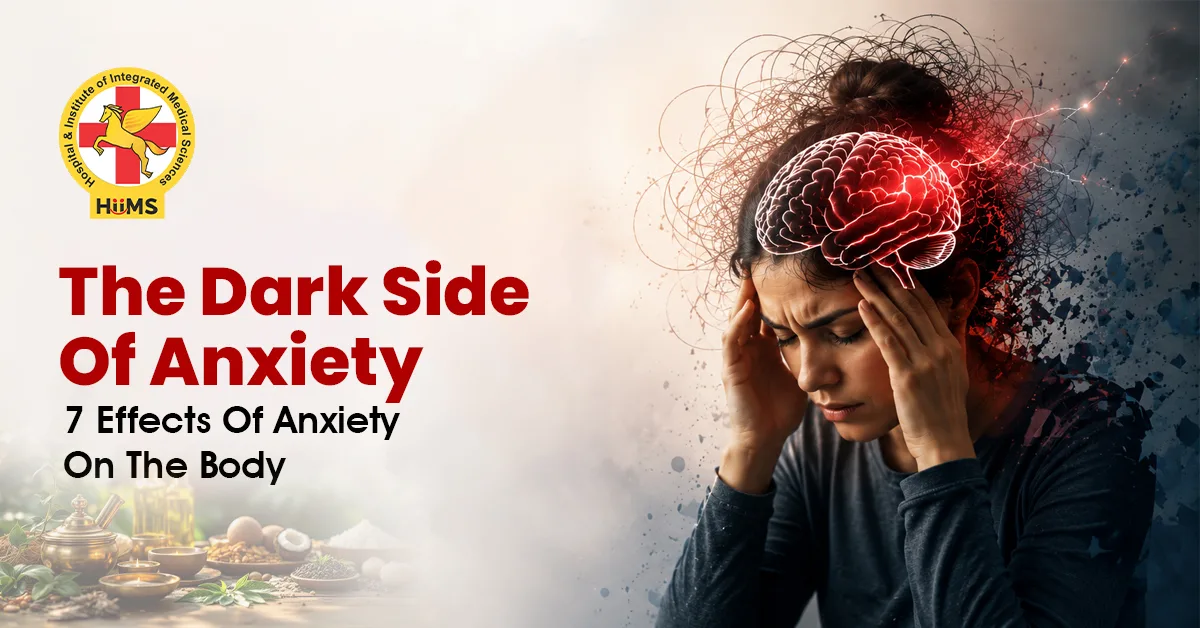
Many people think anxiety only affects the mind, but it can influence almost every organ in the body. Understanding these anxiety effects is important because early recognition can help prevent long-term health problems. Ayurveda believes that anxiety is often related to an imbalance of Vata Dosha, which controls the nervous system, movement, and mental activity.
What Are Anxiety Effects?
Anxiety effects are the physical and emotional changes that occur when your body stays under stress for a long period. During anxiety, the brain releases stress hormones like adrenaline and cortisol. These hormones prepare your body for danger, even when there is no real threat.
If this stress continues for weeks or months, it may begin affecting your heart, digestion, sleep, muscles, and overall well-being.
Common Anxiety Effects on the Body
1. Increased Heart Rate
One of the earliest anxiety effects is a rapid heartbeat. Your heart works harder because the body believes it needs to respond quickly to danger.
2. Digestive Problems
Stress often affects digestion. People may experience bloating, nausea, constipation, acidity, or stomach pain because the digestive system slows down during anxiety.
3. Sleep Disturbances
Many individuals struggle to fall asleep because their minds remain active. Poor sleep can lead to fatigue, low energy, and poor concentration.
4. Muscle Tightness
Long-term anxiety causes muscles to remain tense. Neck pain, shoulder stiffness, headaches, and back pain are common complaints.
5. Breathing Difficulties
Some people feel they cannot take a full breath or experience chest tightness during anxious moments. This happens because breathing becomes faster and shallower.
6. Low Immunity
Constant stress may weaken the immune system, making the body more vulnerable to infections and slower recovery.
7. Poor Concentration
Anxiety can make it difficult to focus, remember information, or make decisions. Mental fatigue often develops after prolonged stress.
Why Does Anxiety Keep Returning?
Temporary stress relief may help for a short time, but if lifestyle habits remain unchanged, anxiety often returns.
Common contributing factors include:
- Lack of sleep
- Irregular eating habits
- Excessive screen time
- Emotional stress
- Poor work-life balance
- Lack of physical activity
Ayurveda explains that these habits aggravate Vata Dosha, leading to ongoing mental restlessness.
Ayurvedic View of Anxiety Effects
According to Ayurveda, emotional balance depends on healthy digestion, proper sleep, and a stable daily routine. Instead of treating only symptoms, Ayurveda focuses on restoring balance throughout the body.
Simple Ayurvedic practices include:
- Eating freshly prepared meals
- Following regular meal timings
- Drinking enough water
- Practicing yoga and meditation
- Deep breathing exercises
- Adequate sleep
- Reducing excessive stimulation
These habits help calm the nervous system naturally.
When Should You Seek Help?
If anxiety affects your daily routine, work, relationships, or sleep for several weeks, it is important to seek professional guidance. Early support can prevent symptoms from becoming more severe.
Conclusion
Anxiety effects extend far beyond temporary worry. They can affect your heart, digestion, muscles, sleep, immunity, and emotional well-being. Recognizing these symptoms early and making healthy lifestyle changes can improve both physical and mental health. Ayurveda encourages a balanced routine, nourishing diet, and stress management practices to support long-term wellness.