
Ankle pain can make everyday activities such as walking, climbing stairs, exercising, and standing for long periods uncomfortable. Whether the discomfort develops after a sports injury or gradually over time, identifying the underlying cause is an important step towards effective treatment. For individuals experiencing persistent discomfort, ankle pain treatment in Singapore offers different approaches depending on the severity of symptoms, the affected structures, and individual recovery goals.
Understanding the available treatment options can help you make informed decisions about your ankle health. From conservative care and physiotherapy to specialist assessment and surgical procedures, the right approach focuses on relieving pain, restoring movement, and reducing the risk of recurring problems.
What Causes Ankle Pain?
The ankle joint supports body weight and helps maintain balance during movement. Because it is involved in almost every step, injuries and underlying joint conditions can affect its function.
Common causes of ankle pain include:
1. Ankle Sprains and Ligament Injuries
An ankle sprain occurs when the ligaments supporting the joint stretch or tear, often after the foot twists unexpectedly. Swelling, bruising, tenderness, and difficulty bearing weight may develop following the injury.
2. Tendon Problems
Tendons connect muscles to bones and help control ankle movement. Conditions such as Achilles tendinopathy and peroneal tendon injuries may cause pain during walking, running, or other physical activities.
3. Ankle Arthritis
Arthritis can cause joint pain, stiffness, and reduced mobility. Symptoms may become more noticeable after activity or following periods of rest. Previous ankle fractures or significant injuries can increase the likelihood of developing post-traumatic arthritis.
4. Ankle Fractures
A fracture may occur after a fall, sports injury, or sudden impact. Severe pain, swelling, bruising, and an inability to stand or walk comfortably can indicate a significant injury that requires prompt medical assessment.
5. Cartilage Damage and Joint Instability
Damage to the cartilage within the ankle joint may cause persistent discomfort, swelling, catching, or restricted movement. Repeated sprains can also lead to chronic ankle instability, making the joint feel as though it may give way.
When Should You Seek Ankle Pain Treatment in Singapore?
Occasional mild discomfort may improve with rest and appropriate home care. However, persistent or worsening symptoms should not be ignored, particularly when they interfere with normal activities.
Consider consulting a healthcare professional if you experience:
- Ankle pain that continues despite rest and basic care.
- Repeated swelling or tenderness around the joint.
- Difficulty walking, running, or bearing weight.
- A feeling that your ankle is unstable or frequently gives way.
- Reduced ankle flexibility or stiffness that affects daily movement.
- Pain that returns whenever you resume exercise.
Seek urgent medical assessment if you have severe pain, an obvious deformity, an open wound, or cannot bear weight after an injury. A hot, red, swollen ankle accompanied by fever also requires prompt evaluation.
Ankle Pain Treatment Options
The most suitable treatment depends on the diagnosis, the extent of tissue damage, your activity level, and whether the problem is recent or long-standing. A healthcare professional may recommend one or a combination of the following options.
1. Rest and Activity Modification
Reducing activities that aggravate the ankle can help limit further irritation. Temporary adjustments may include avoiding high-impact exercise, limiting prolonged standing, and choosing low-impact activities while symptoms settle.
Rest should be balanced with appropriate movement when safe. Prolonged immobilisation without medical guidance may contribute to stiffness and muscle weakness.
2. Ice and Swelling Management
Applying an ice pack wrapped in a towel for around 15–20 minutes at a time may help relieve pain and swelling following an acute injury. Avoid placing ice directly on the skin.
Depending on the injury, elevation and a suitable compression bandage may also help manage swelling. Compression should not be tight enough to cause numbness, colour changes, or increased pain.
3. Medication for Pain Relief
A healthcare professional may recommend suitable pain-relieving medication or anti-inflammatory medicines, depending on your symptoms and medical history. These medicines may reduce discomfort but do not necessarily address the underlying cause.
Always follow the recommended dosage and seek advice before using anti-inflammatory medication if you have kidney problems, stomach ulcers, take blood-thinning medicines, or have other relevant health conditions.
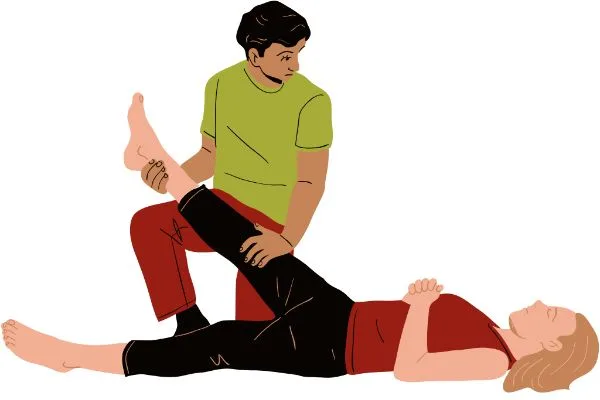
4. Physiotherapy and Rehabilitation
Physiotherapy can play an important role in recovering from ankle injuries and managing certain chronic conditions. A personalised programme may include:
- Range-of-motion exercises: Help restore ankle flexibility.
- Strengthening exercises: Improve the muscles supporting the joint.
- Balance training: Develop coordination and reduce the risk of repeated sprains.
- Gait training: Help improve walking mechanics where needed.
- Gradual return to activity: Supports a safer progression towards work, exercise, or sport.
The timing and intensity of rehabilitation should match the injury. Exercises that are appropriate for a mild sprain may not be suitable for a fracture or a significant tendon injury.
5. Ankle Braces and Support
An ankle brace, supportive footwear, or other prescribed support may help protect the joint during recovery. These options can be particularly useful for selected ligament injuries or people who experience recurring instability.
The type and duration of support depend on the diagnosis. A brace should not replace rehabilitation when strengthening and balance training are needed.
6. Specialist Procedures and Surgery
When conservative treatment does not provide sufficient relief, further assessment may be necessary. Depending on the underlying problem, an orthopaedic specialist may discuss additional treatment options.
These may include:
- Ankle arthroscopy: A minimally invasive procedure used to assess or treat certain problems inside the joint.
- Ligament repair or reconstruction: Considered for selected cases of persistent ankle instability.
- Fracture fixation: Surgery may be needed to stabilise certain ankle fractures.
- Tendon surgery: Considered for specific tendon injuries that do not respond adequately to non-surgical care.
- Arthritis-related procedures: Options depend on the degree of joint damage, symptoms, and functional needs.
Surgery is not necessary for every case of ankle pain. The decision should follow a clear diagnosis and discussion of the expected benefits, possible complications, recovery requirements, and alternatives.
How Is the Cause of Ankle Pain Diagnosed?
An accurate diagnosis helps ensure that treatment addresses the source of discomfort rather than only the symptoms.
During an assessment, a healthcare professional may review your medical history, ask how the pain started, and examine the ankle's movement, stability, swelling, and tenderness.
Depending on the findings, investigations may include:
- X-rays: Help identify fractures, bone alignment problems, and some signs of arthritis.
- Ultrasound: May be used to assess selected tendon or soft-tissue problems.
- MRI scans: Can provide detailed images of ligaments, tendons, cartilage, and other soft tissues.
- CT scans: May be recommended when a more detailed assessment of bone injury or joint structure is required.
Not everyone needs imaging. The decision depends on the symptoms, examination findings, and suspected condition.
How Long Does Ankle Pain Take to Recover?
Recovery time varies according to the cause and severity of the problem. A mild sprain may improve within a few weeks, while more significant ligament injuries, fractures, tendon conditions, and arthritis-related problems may require a longer period of treatment.
Several factors can influence recovery, including the extent of tissue damage, overall health, treatment adherence, and the demands of work or sport.
Returning to strenuous activity too early may aggravate symptoms or increase the risk of another injury. A gradual return based on pain, strength, balance, and mobility is generally more appropriate than relying on a fixed timeline.
How to Prevent Recurring Ankle Pain
Although not all ankle problems can be prevented, practical steps can help reduce the risk of injury and support joint function.
- Warm up before exercise and increase training intensity gradually.
- Wear suitable footwear for your activity and foot structure.
- Strengthen the calf and surrounding muscles as recommended.
- Include balance exercises when appropriate, especially after a sprain.
- Avoid training through significant or worsening pain.
- Complete your rehabilitation programme before returning to demanding sports.
- Seek assessment for repeated ankle sprains or ongoing instability.
If ankle pain repeatedly returns during exercise or everyday activities, identifying the underlying problem is more useful than continually relying on temporary pain relief.
Choosing the Right Ankle Pain Treatment in Singapore
When looking for ankle pain treatment in Singapore, consider the type of symptoms you have, the experience of the healthcare professional, and whether the service can provide appropriate assessment, rehabilitation, and specialist care.
An orthopaedic specialist may be particularly helpful when symptoms follow a significant injury, persist despite initial treatment, or suggest a fracture, tendon problem, cartilage injury, or joint instability.
Before starting treatment, ask about the likely diagnosis, recommended investigations, available non-surgical options, expected recovery period, and potential treatment costs. Understanding these details can help you choose a care plan that fits your condition and daily needs.
Conclusion
Ankle pain can result from a range of conditions, from mild sprains to more complex joint, tendon, and cartilage problems. Effective management begins with identifying the cause and selecting treatment that supports pain relief, mobility, and long-term function.
For anyone considering ankle pain treatment in Singapore, early assessment is especially important when symptoms persist, worsen, or interfere with walking and exercise. With an appropriate diagnosis and a personalised treatment plan, many people can improve their mobility and return to their usual activities more confidently.
Frequently Asked Questions
1. What is the best treatment for ankle pain?
The best treatment depends on the cause. Mild injuries may respond to activity modification, ice, and rehabilitation, while fractures, significant tendon injuries, or persistent joint instability may require specialist treatment.
2. When should I see an orthopaedic specialist for ankle pain?
Consider seeing an orthopaedic specialist if pain persists, swelling keeps returning, the ankle feels unstable, or walking becomes difficult. Severe pain, deformity, or an inability to bear weight after an injury warrants urgent assessment.
3. Can ankle pain go away without surgery?
Yes. Many ankle sprains and selected tendon problems improve with non-surgical care, including rehabilitation, appropriate support, and activity modification. Surgery is considered when the diagnosis and severity of the condition make it appropriate.
4. Do I need an X-ray for ankle pain?
Not always. An X-ray may be recommended when a fracture or bone-related problem is suspected. Depending on the examination findings, other imaging tests may be more useful for assessing tendons, ligaments, or cartilage.
5. How much does ankle pain treatment cost in Singapore?
The cost varies according to the consultation, diagnostic tests, treatment method, rehabilitation needs, and whether surgery is required. Ask the healthcare provider for an itemised estimate that explains consultation fees, imaging, procedures, and follow-up care.
6. Can I exercise when my ankle hurts?
It depends on the cause and severity of the pain. Avoid activities that worsen symptoms, and seek medical advice if you have significant swelling, difficulty bearing weight, or pain after an injury. A healthcare professional can advise when and how to resume exercise safely.