
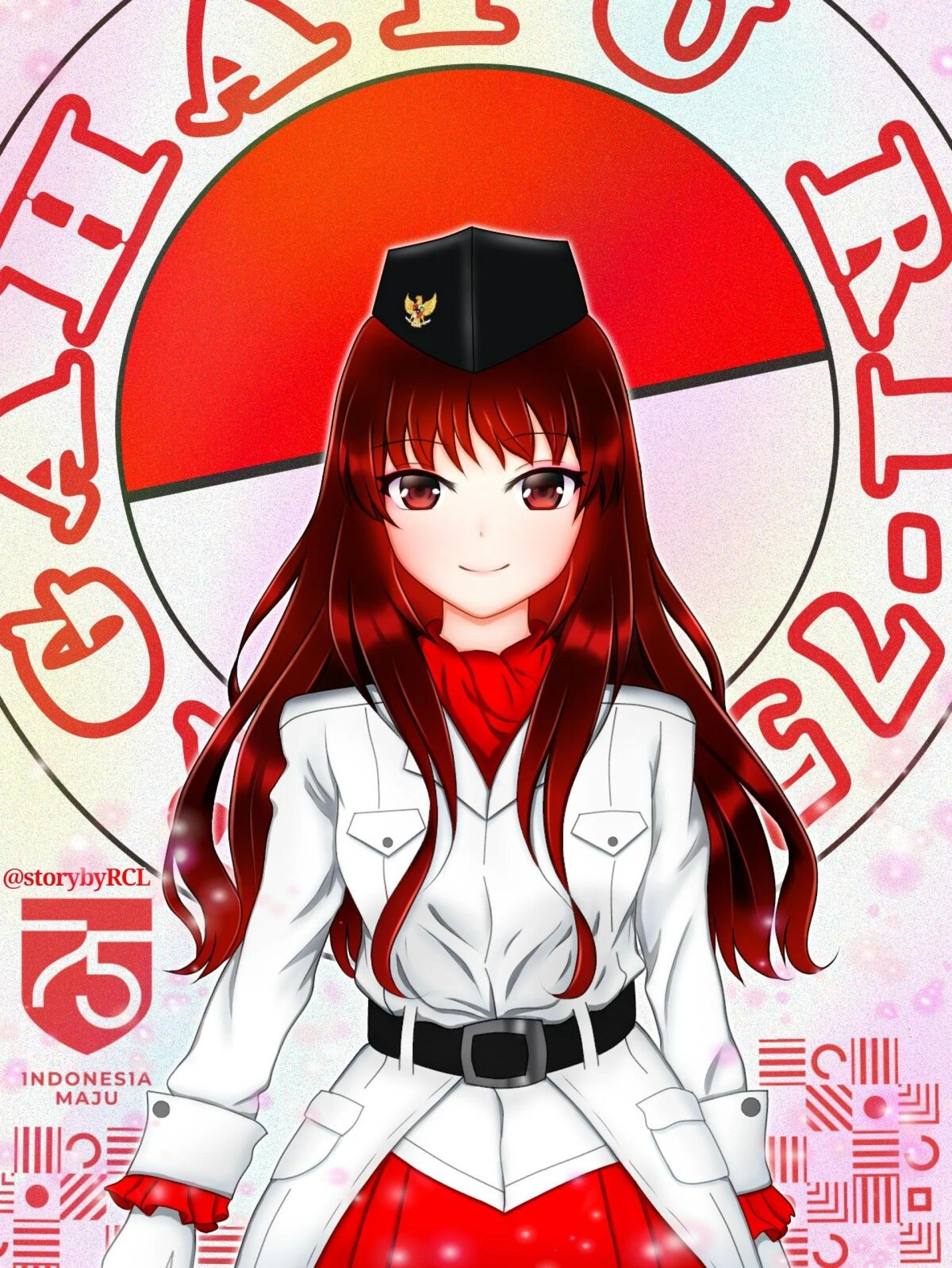
Anichin: The Rising World of Chinese Anime and Its Global Appeal
In recent years, the global animation landscape has undergone a remarkable transformation, with a new contender capturing the attention of audiences worldwide—Anichin. A blend of “anime” and “China,” Anichin refers to Chinese animated content, also known as donghua. Once overshadowed by Japanese anime and Western animation, Anichin has rapidly evolved into a powerful creative force, offering unique storytelling, stunning visuals, and culturally rich narratives.
https://anichin.com.co/
What Is Anichin?
Anichin is an informal term used by fans to describe Chinese animation that carries stylistic similarities to Japanese anime. While the term itself is modern and largely internet-driven, the roots of Chinese animation date back decades. Today, Anichin represents a new era of high-quality productions that combine traditional Chinese culture with cutting-edge animation techniques.
Unlike earlier forms of donghua that were primarily targeted at children, modern Anichin spans multiple genres, including fantasy, romance, action, sci-fi, and historical drama. This diversity has helped it attract a broader, more mature audience both domestically and internationally.
The Evolution of Chinese Animation
Chinese animation has come a long way since its early beginnings in the 20th century. Initially inspired by traditional art forms such as ink painting and shadow puppetry, early animations were often experimental and culturally rooted. However, limited technology and funding hindered widespread success.
The turning point came in the 2010s, when advancements in digital animation, increased government support, and the rise of streaming platforms fueled rapid growth. Studios began investing heavily in production quality, storytelling, and global distribution. As a result, Anichin started gaining recognition beyond China’s borders.
Key Features That Define Anichin
1. Rich Cultural Influence
One of the most distinctive aspects of Anichin is its deep connection to Chinese culture. Many series draw inspiration from mythology, folklore, martial arts, and historical events. Themes such as cultivation (spiritual training), immortality, and ancient dynasties are common, offering viewers a glimpse into China’s rich heritage.
2. Unique Storytelling Style
Anichin often features complex narratives with long character arcs and intricate world-building. Unlike some Western animations that focus on episodic storytelling, many Chinese series adopt serialized formats, keeping viewers engaged over extended periods.
3. High-Quality Visuals
Modern Anichin productions are known for their impressive animation quality. With the use of 3D CGI and advanced rendering techniques, many series rival big-budget international productions. The blend of 2D and 3D animation also gives Anichin a distinctive visual identity.
4. Diverse Genres
From romantic dramas to action-packed adventures, Anichin covers a wide range of genres. Popular themes include fantasy cultivation worlds, futuristic sci-fi settings, and emotionally driven slice-of-life stories.
Popular Anichin Titles
Several Anichin series have gained international popularity and contributed to the genre’s rise:
- The King’s Avatar – A story centered around esports and competitive gaming, showcasing teamwork, strategy, and personal growth.
- Mo Dao Zu Shi (Grandmaster of Demonic Cultivation) – A fantasy series rooted in Chinese mythology, known for its deep emotional storytelling and complex characters.
- Heaven Official’s Blessing – A visually stunning series that blends romance, fantasy, and spiritual themes.
- Fog Hill of Five Elements – Celebrated for its breathtaking animation and artistic fight sequences.
These titles have played a significant role in introducing global audiences to the world of Anichin.
Why Anichin Is Gaining Global Popularity
1. Streaming Platforms
The rise of global streaming services has made it easier than ever to access Anichin. Platforms now offer subtitles and dubbing in multiple languages, breaking down language barriers and expanding reach.
2. Fresh Perspectives
For viewers accustomed to Japanese anime or Western animation, Anichin offers something new. Its storytelling, cultural themes, and artistic styles provide a refreshing alternative.
3. Strong Fan Communities
Online communities and social media have played a crucial role in promoting Anichin. Fans share recommendations, create content, and help new viewers discover hidden gems.
4. Competitive Production Quality
As Chinese studios continue to invest in animation technology, the quality gap between Anichin and other global animations has significantly narrowed. This has made it easier for Anichin to compete on an international level.
Differences Between Anichin and Japanese Anime
While Anichin and Japanese anime share some similarities, they also have notable differences:
- Cultural Themes: Anichin focuses heavily on Chinese traditions, while anime often reflects Japanese culture.
- Storytelling Approach: Chinese series tend to emphasize long-term character development and philosophical themes.
- Animation Style: Anichin frequently incorporates 3D elements, whereas traditional anime is primarily 2D.
- Industry Structure: The Chinese animation industry is still developing compared to Japan’s well-established anime ecosystem.
These differences contribute to Anichin’s unique identity and appeal.
Challenges Facing Anichin
Despite its rapid growth, Anichin still faces several challenges:
1. Global Recognition
While popularity is increasing, Anichin has yet to achieve the same level of global recognition as Japanese anime.
2. Localization Issues
Translations and dubbing quality can sometimes affect the viewing experience for international audiences.
3. Competition
Anichin competes not only with anime but also with Western animation and live-action content, making it harder to stand out.
4. Consistency in Quality
While some productions are exceptional, others still struggle with storytelling or animation consistency.
The Future of Anichin
The future of Anichin looks promising. With continued investment, technological advancements, and growing international interest, Chinese animation is poised to become a major player in the global entertainment industry.
Collaborations between Chinese studios and international companies are also on the rise, further expanding Anichin’s reach. Additionally, as more creators experiment with new storytelling techniques and genres, the diversity and quality of content are expected to improve.
Final Thoughts
Anichin represents a new wave of animation that blends tradition with innovation. Its rise is not just a testament to China’s growing creative industry but also a reflection of the global audience’s desire for diverse and meaningful content.
For viewers looking to explore something beyond mainstream anime or Western cartoons, Anichin offers a rich and rewarding experience. With its unique storytelling, cultural depth, and stunning visuals, it’s clear that Anichin is not just a trend—it’s a movement shaping the future of animation.