Ammonium Chloride: Properties, Uses, and Environmental Impact
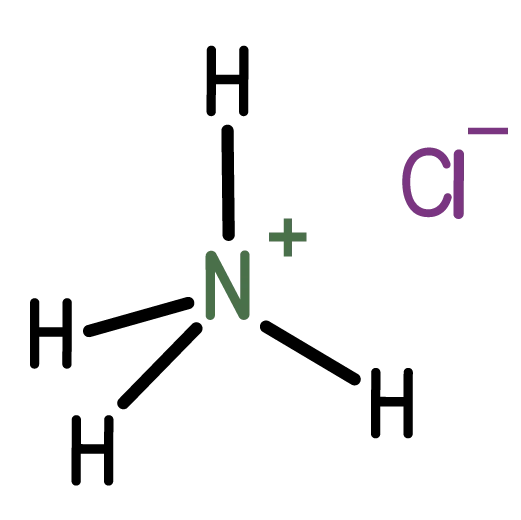
Ammonium chloride known chemically as NH₄Cl, is a white crystalline compound that forms when ammonia (NH₃) reacts with hydrochloric acid (HCl). Though it might sound obscure to those outside of chemistry or manufacturing, this compound plays a significant role in numerous industrial, medical, agricultural, and even culinary applications.
This blog will explore the properties, common uses, manufacturing methods, safety considerations, and environmental impact of ammonium chloride.
Chemical and Physical Properties
Ammonium chloride is a colorless to white crystalline solid with a salty taste and high solubility in water. Its aqueous solution is mildly acidic, with a pH typically around 5.5 due to the weak base (NH₄⁺) and strong acid (Cl⁻) nature of its components.
Basic Properties:
- Chemical Formula: NH₄Cl
- Molar Mass: 53.49 g/mol
- Melting Point: 338 °C (sublimes without melting under normal pressure)
- Solubility: Highly soluble in water, especially at higher temperatures
Ammonium chloride sublimates when heated, meaning it transitions directly from solid to gas without passing through a liquid phase. This trait is particularly interesting in lab settings, as it demonstrates a physical change that is visually striking and educational.
How Is Ammonium Chloride Made?
Industrial production of ammonium chloride commonly occurs as a by-product of several chemical processes. One primary method is the Solvay process, used for producing sodium carbonate (soda ash). In this process, carbon dioxide, ammonia, and brine (sodium chloride) react, and ammonium chloride is formed as a secondary product.
Another method involves direct neutralization:
NH3+HCl→NH4Cl\text{NH}_3 + \text{HCl} \rightarrow \text{NH}_4\text{Cl}NH3+HCl→NH4Cl
This straightforward reaction is frequently employed in laboratories for demonstration or small-scale synthesis.
Applications of Ammonium Chloride
1. Agriculture: Fertilizer
One of the largest uses of ammonium chloride is as a nitrogen source in fertilizers, especially in rice and wheat cultivation. It provides a quick-release form of nitrogen that supports early plant growth. While urea is more commonly used globally, ammonium chloride remains significant in specific regions where soil and crop types benefit from its properties.
2. Medicine
Ammonium chloride has long been used in cough medicine as an expectorant. It works by irritating the bronchial mucosa, promoting the production of respiratory tract fluid and aiding in the removal of mucus.
It is also used to acidify urine in cases of metabolic alkalosis or certain urinary tract infections, helping correct pH imbalances in the body. However, its use must be carefully monitored due to its systemic effects.
3. Food Industry
In the food sector, ammonium chloride is recognized as E510, a food additive. It is primarily used in the production of salmiak licorice—a salty, somewhat controversial candy particularly popular in Northern Europe. Its flavor profile is not for everyone, but it's a cultural staple in places like Finland and the Netherlands.
4. Metallurgy
Ammonium chloride is commonly found in metalwork fluxes, particularly in the galvanizing and soldering industries. It cleans metal surfaces by reacting with metal oxides, leaving a clean surface for metal bonding or coating. In this context, it plays a critical role in improving the adhesion of metals during manufacturing processes.
5. Batteries and Electrochemistry
Older dry cell batteries, also known as Leclanché cells, use ammonium chloride as an electrolyte. Though modern batteries have largely replaced this setup with more efficient alternatives, ammonium chloride still features in academic and demonstration settings.
Safety and Handling
While ammonium chloride is generally considered low-toxicity, prolonged exposure or improper handling can cause issues:
- Inhalation of dust may lead to respiratory irritation.
- Skin contact might cause mild irritation.
- Ingestion in large quantities can disturb gastrointestinal function and electrolyte balance.
As with many chemical substances, ammonium chloride should be handled with care in well-ventilated areas, using gloves and eye protection when appropriate.
Environmental Considerations
From an environmental perspective, ammonium chloride poses both risks and benefits. As a nitrogen-rich compound, it contributes positively to plant growth when used correctly. However, overuse in agriculture can lead to soil acidification and waterway eutrophication, where excess nutrients promote harmful algal blooms and aquatic ecosystem damage.
Additionally, during industrial use—especially in metallurgical or battery applications—disposal must be managed to avoid chemical leaching into soil or groundwater. Regulatory frameworks often require careful documentation and treatment of waste involving ammonium chloride.
Conclusion
Ammonium chloride may not be a household name, but it quietly supports many essential industries. From fertilizing crops and aiding in medical treatment to cleaning metals and flavoring unique candies, its versatility is impressive. As with all chemicals, its benefits must be balanced with appropriate handling and environmental stewardship.
Understanding compounds like ammonium chloride highlights the complex web of chemistry behind everyday life—and reminds us how even simple molecules can have a wide-reaching impact.
URL: For more information, visit connex pharma : Ammonium Chloride (AMCL)