
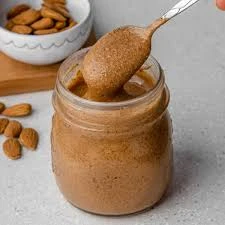
The almond butter market has witnessed significant transformation in its retail strategies as consumer preferences shift toward healthier and more sustainable food options. As a premium product positioned within the functional and plant-based food categories, almond butter has become a key focus for retailers seeking to capitalize on wellness-driven purchasing behavior. The success of the market increasingly depends on how well brands and retailers align product availability, pricing, packaging, and promotion with consumer expectations across both traditional and digital platforms.
In line with this evolution, the global almond butter market is being shaped by strategic retail approaches that blend convenience, accessibility, and innovation to boost sales and strengthen brand presence.
1. Omnichannel Distribution: Meeting the Customer Where They Shop
A major trend in the almond butter retail strategy is the expansion across both brick-and-mortar and online channels. Physical retail continues to play a significant role, with products commonly found in supermarkets, health food stores, gourmet outlets, and convenience stores. Here, in-store placement is critical—many brands position their products in health-focused or organic food aisles, often near similar nut-based spreads like peanut or cashew butter.
Simultaneously, e-commerce has emerged as a powerful growth engine. Online platforms like Amazon, specialty food websites, and direct-to-consumer (D2C) brand portals provide broader reach, better targeting, and subscription model opportunities. Brands optimize their listings with SEO-friendly descriptions, customer reviews, and bundle deals to enhance digital visibility and encourage repeat purchases.
2. Product Positioning and Shelf Strategy
Effective product positioning is central to capturing customer attention. Retailers carefully organize almond butter products based on variants such as plain, flavored (e.g., chocolate, vanilla, cinnamon), high-protein, crunchy, or smooth textures. Premium and organic varieties often receive special placements or endcap promotions in stores to emphasize health benefits and justify higher price points.
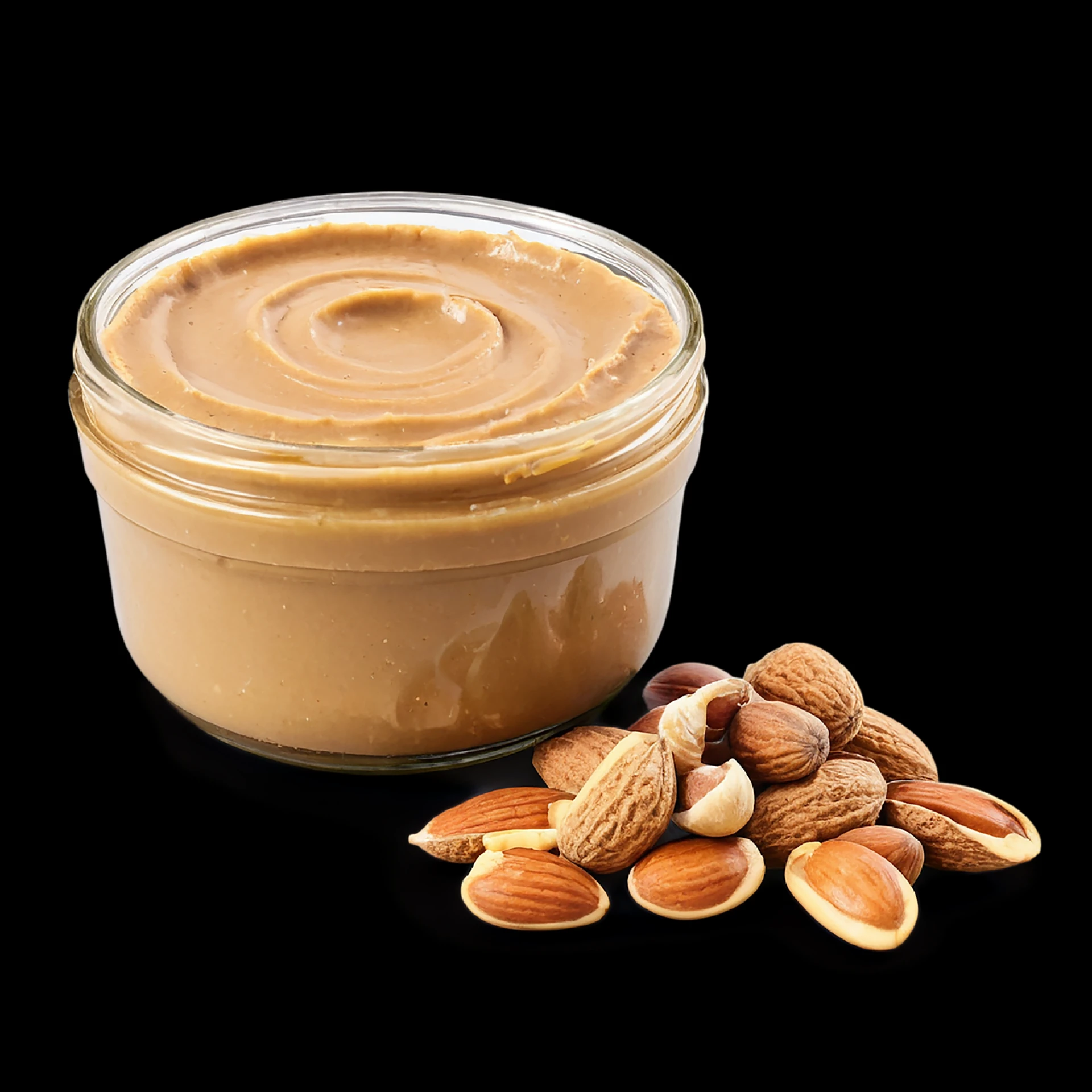
Visual appeal is a key aspect of retail strategy. Brands invest in packaging that communicates core values—such as clean ingredients, sustainable sourcing, or dietary suitability (vegan, keto, gluten-free). Transparent jars, minimalist labels, and eco-friendly materials are often used to appeal to environmentally conscious buyers.
3. Pricing and Promotional Tactics
Given almond butter’s relatively higher production cost compared to alternatives like peanut butter, strategic pricing is essential. Brands employ value-based pricing models, emphasizing the health and nutritional benefits of almonds to justify premium pricing. Retailers often stock a range of price points—from budget-friendly private-label options to luxury artisanal brands—to cater to different customer segments.
Promotions such as discounts, bundle offers, loyalty rewards, and sampling events help drive trial and conversion. Limited-time offers around holidays or seasonal health campaigns (e.g., New Year’s wellness resolutions) are commonly used to stimulate demand. Online promotions including coupon codes and email exclusives are also effective in boosting digital sales.
4. Retail Partnerships and Private Label Growth
Collaborations between almond butter producers and major retail chains have led to the growth of private label offerings. These in-house brands allow retailers to control pricing and profit margins while offering consumers affordable alternatives with acceptable quality.
At the same time, premium almond butter brands partner with health-focused or gourmet retailers to ensure visibility among their core demographic. Some brands even co-develop exclusive product lines or variants with select retail partners to increase brand prestige and market differentiation.
5. Sampling, Demos, and Experiential Marketing
In-store demos and tasting events are vital tools for new brand introduction or promoting new almond butter flavors. These campaigns allow consumers to experience the taste and texture firsthand, increasing the likelihood of purchase.
Brands are also leveraging experiential retail—pop-up shops, wellness fairs, and collaborations with fitness studios—to connect directly with their health-focused audience. These strategies humanize the brand and offer opportunities to tell product origin stories or share nutritional benefits in more interactive ways.
6. Digital Retail Innovations
In the digital retail space, almond butter brands are increasingly using AI-driven recommendation engines, dynamic pricing, and targeted ads to personalize the shopping experience. Many e-commerce platforms allow customization features such as flavor mix-ins or packaging designs, creating a more engaging customer journey.
Social commerce—selling directly via platforms like Instagram or Facebook—is also gaining traction, particularly for boutique brands with a strong lifestyle presence. Influencer partnerships and user-generated content are used to drive traffic to online stores and foster community-based brand loyalty.
7. Consumer Education and Transparency
Retail strategy also involves educating consumers on the nutritional and environmental benefits of almond butter. Packaging often includes messaging about high protein content, healthy fats, zero added sugars, and suitability for specific diets.
QR codes on labels may link to videos about sourcing, farming practices, or product certifications. In digital spaces, blogs, recipe suggestions, and wellness tips form part of content marketing strategies that help brands stand out and build trust.
8. Localization and Regional Customization
Successful retailers localize almond butter offerings based on regional preferences and dietary trends. For example, certain markets may favor sweeter profiles or spicy variants, while others prefer unsweetened, raw, or stone-ground options. Local partnerships and consumer feedback loops help refine offerings for each retail segment.
Conclusion
The retail strategy for almond butter has become a multifaceted approach aimed at blending health-forward positioning with modern sales channels and consumer engagement techniques. Whether through clean branding in-store or AI-powered targeting online, successful almond butter brands align closely with the lifestyles and values of their audience. By refining their retail approach, companies can capture greater market share in a category poised for sustained global growth.