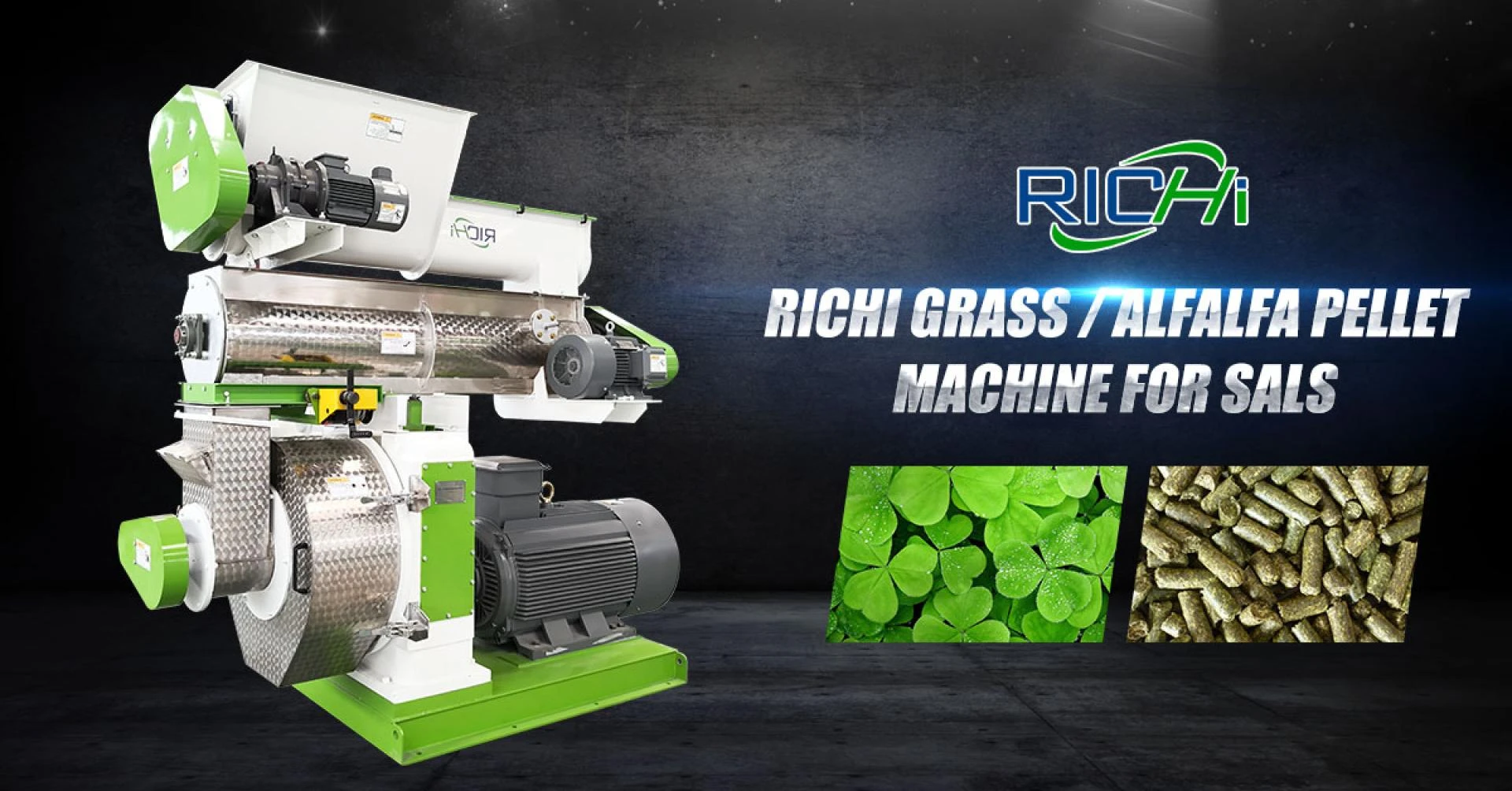
In modern animal husbandry, the demand for nutrient-rich, easy-to-store, and portable feed is regularly increasing. One of the most efficient options is the alfalfa pellet production line, which transforms fresh or dried alfalfa right into portable, high-density pellets. This technology not only improves the nutritional usage of alfalfa but also significantly boosts feeding efficiency for livestock such as cattle, sheep, equines, and bunnies. As international agriculture approach sustainability, alfalfa pellet production has actually ended up being a vital element of green feed manufacturing.
What Is an Alfalfa Pellet Assembly Line?
An alfalfa pellet production line is a full processing system developed to turn raw alfalfa right into uniform feed pellets. The process usually includes cutting, drying out, squashing, pelletizing, cooling, screening, and packaging. Fresh alfalfa is first cut into shorter sizes to promote drying, then squashed into great bits prior to being compressed by a pellet mill. Under high temperature and stress, the crushed alfalfa is formed into dense, cylindrical pellets that are very easy to manage and keep.
The alfalfa pellet production line can vary in capability-- from small-scale farm systems producing a few hundred kilograms per hour to large industrial plants producing 10s of bunches daily. Modern lines often incorporate intelligent control systems to monitor dampness, temperature level, and production rate, making certain constant pellet quality and lessening energy usage.
The Advantages of Alfalfa Pellets
Alfalfa is referred to as the "king of forage" as a result of its high healthy protein content, balanced amino acids, rich vitamins, and outstanding digestibility. However, all-natural alfalfa is cumbersome, disposable, and challenging to move over cross countries. Pelletizing alfalfa solves these problems effectively. Pellets have a lower moisture web content, longer storage space life, and extra stable nutritional composition.
Additionally, alfalfa pellets reduce feed wastage throughout feeding and enhance the feed conversion rate of animals. They can be quickly mixed with other ingredients like corn meal, wheat bran, or soybean meal to create balanced feed solutions. Farmers all over the world prefer pellets due to the fact that they streamline feeding administration, minimize transportation prices, and make certain regular nutrition for their pets throughout the year. Explore the advanced alfalfa pellet machine solutions on the official page at Richi Pelletizer to optimize your forage feed production:https://richipelletizer.com/alfalfa-pellet-machine/
Key Tools Used in Alfalfa Pellet Manufacturing
The alfalfa pellet production line consists of several important devices operating in a continual procedure. The alfalfa cutter chops the forage into tiny items suitable for drying. A drying out system after that eliminates excess dampness to accomplish the ideal water content, typically around 12-- 15%. Next off, a hammer mill crushes the dried out alfalfa into fine powder, ready for pelletizing.
The core equipment is the ring die pellet mill, which presses the alfalfa powder right into pellets under high pressure and temperature level. After pelletizing, the hot pellets are cooled down and screened to get rid of fines and damaged pieces, guaranteeing uniform top quality. Ultimately, automated product packaging makers consider and bag the pellets for transport or sale. Each element of the system can be tailored according to the customer's resources, capacity, and automation demands.
Applications of Alfalfa Pellets Worldwide
The worldwide fostering of alfalfa pellet production lines has actually proliferated throughout Europe, North America, and Asia. In the United States and Canada, alfalfa pellets are widely utilized as feed for dairy cows, racehorses, and goats. In Europe, particularly in Germany and France, they are necessary elements in livestock feed factories focused on natural farming. In Asia, nations such as China, Saudi Arabia, and Kazakhstan are investing heavily in alfalfa pellet plants to satisfy growing residential feed demands.
Besides pet feed, alfalfa pellets are additionally utilized as resources for natural fertilizers and soil conditioners as a result of their nitrogen-rich content. This dual-use prospective rises the total earnings and sustainability of alfalfa pellet manufacturing, more helpful hints.
Economic and Environmental Perks
Purchasing an alfalfa pellet production line supplies considerable financial and ecological benefits. Economically, pelletized alfalfa brings a greater market value than raw alfalfa due to its security, comfort, and year-round accessibility. For farmers and feed producers, pelletizing allows far better storage administration, much easier transportation, and higher export capacity.
Eco, the procedure contributes to lasting farming by minimizing feed waste, decreasing greenhouse gas emissions from silage storage, and promoting effective land use. In addition, the use of eco-friendly biomass power to power parts of the assembly line additionally improves the environmentally friendly account of the operation. By integrating alfalfa pellet production, farmers can reinforce the durability of their farming systems and add to a more circular and lasting economy.
Future Growth of Alfalfa Pellet Technology
The future of alfalfa pellet assembly line is very closely linked to technical innovation and electronic automation. Advanced pellet mills with variable frequency drives, automated lubrication systems, and wise surveillance gadgets are making manufacturing more efficient and trusted. The trend towards modular and mobile pellet plants is likewise increasing opportunities for small and medium-sized farms to enter the feed processing market. Visit pellet line for sale for comprehensive pellet production technologies and turnkey biomass-solutions.
Global need for high-quality forage feed will certainly remain to rise due to the development of the dairy, beef, and horse industries. As such, purchasing alfalfa pellet production not just satisfies prompt market requirements however likewise placements manufacturers for long-term success in a sustainable agricultural future.
Final thought
The alfalfa pellet assembly line represents a best combination of innovation, nutrition, and sustainability. It changes a typical forage crop into a high-value feed product that supports pet health and ecological stewardship. Whether for residential usage or worldwide profession, alfalfa pellets are a smart, effective, and environment-friendly solution for contemporary livestock farming. As the world focuses significantly on lasting food production, alfalfa pellet innovation will remain to play a crucial function in guaranteeing both agricultural productivity and ecological equilibrium. Check out this successful 10-12 TPH forage grass pellet production line in USA case on their site: Forage grass pellet production line USA