Fall is here, and so are the coughs. Kids come home from school with sniffles. Coworkers sneeze across the open office. Sooner or later, you start wondering if the air itself is part of the problem.
That's why many people now search for an air purifier for viruses and bacteria. The machines do work, but only for certain jobs. This guide covers how germs travel through the air, what filters and UV light really do, and where the limits are.
How Germs Travel Through the Airair purifier to kill germs
When a person coughs or sneezes, they release tiny droplets. Some are big and drop fast. Others are so small they hang in the air like a fine mist. These are called aerosols, and they can float around for a while.
The CDC says viruses like COVID-19 can spread through the air. In a closed room with little airflow, droplets from a cough or sneeze can travel about 3 to 6 feet. With more air movement, they can drift farther. This is why crowded, stuffy rooms like classrooms and offices get so much attention.
What Does a Virus Air Purifier Do?
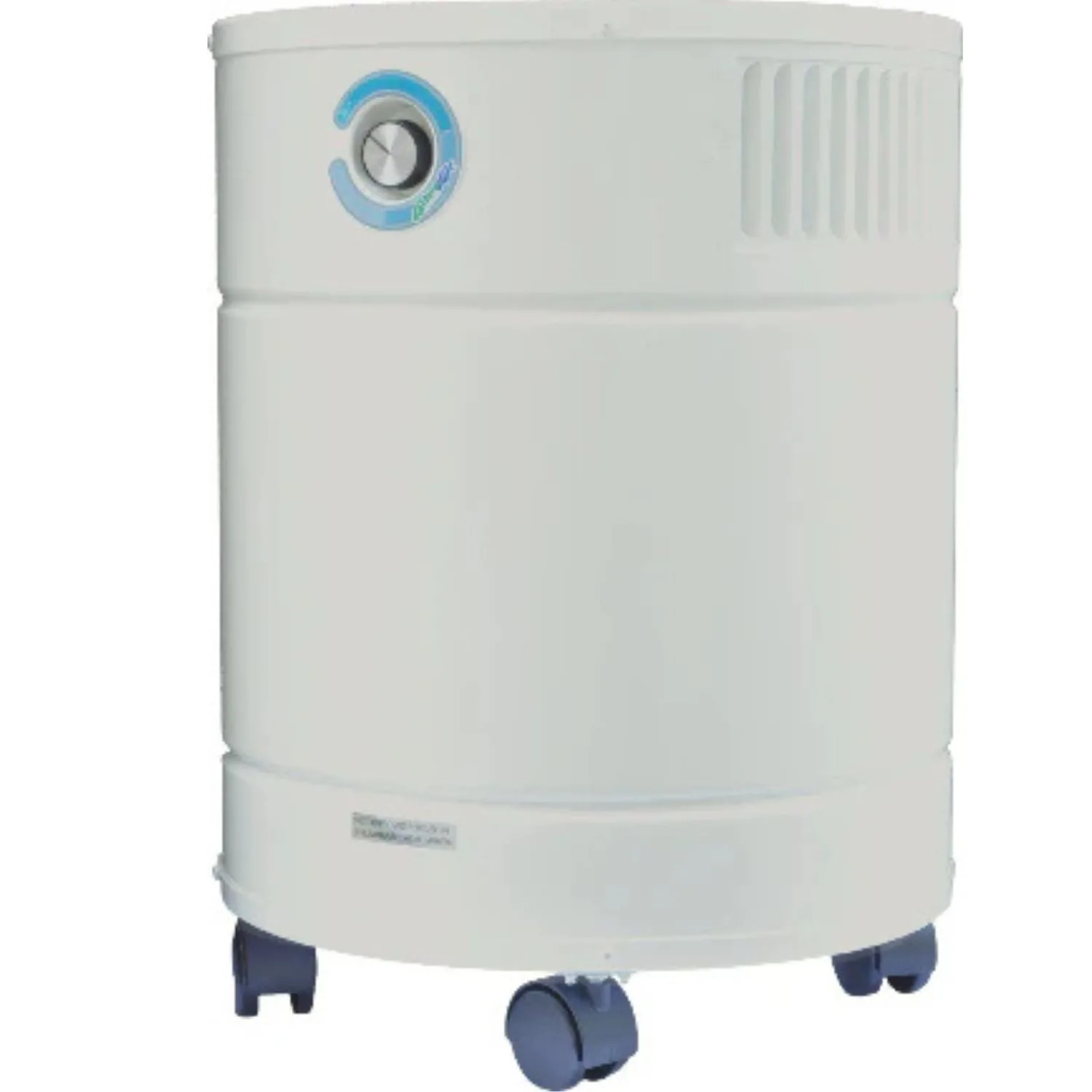
A virus air purifier pulls room air through filters that trap particles. Because germs ride on droplets and aerosols, trapping those particles removes some of them from the air you breathe.
Here are the main parts:
- Pre-filter: catches large dust and hair.
- HEPA filter: traps very small particles. The CDC, EPA, and WHO all recognize HEPA filtration technology.
- Activated carbon: handles odors and chemical fumes, which germs don't cause but rooms often have.
- UV-C light (optional): an extra stage that targets germs directly.
HEPA: Traps Germs, Doesn't Kill Them
True HEPA filters are rated at 0.3 microns, and this is a bit of a trick number. It's the particle size that's hardest for the filter to catch, so smaller and larger particles are caught even better. Some stronger filters, often called Super HEPA, are tested to even finer sizes. One manufacturer says its Super HEPA captures particles down to 0.125 microns, close to the size of the coronavirus.
Still, a filter traps germs; it doesn't kill them. They sit in the filter until you replace it. That's one reason to handle old filters with care.
UV-C Light: Can It Kill Germs?
If you're hunting for an air purifier to kill germs, UV-C is the feature that makes the claim. Germicidal UV-C light can damage the genetic material of many airborne viruses, bacteria, and even mold spores, which stops them from working.
But UV-C isn't instant. Germs need enough exposure time, and air moves fast through a purifier. According to AllerAir's research, certain pathogens need more time than others, so a unit's design and airflow matter. Treat UV-C as a helpful extra stage, not a force field.
What About "Kills Germs and Viruses" Claims?
You'll see plenty of ads for an air purifier that kills germs and viruses. Read them carefully. Ask three questions:
- Which part kills germs, the filter or the UV light?
- How long are germs exposed to it?
- Is there any test data?
Be wary of units that make ozone, since ozone can irritate lungs. Also, some regions have their own rules. For example, one maker notes that its UV models weren't yet certified for sale in California at the time of publishing. Check current rules in your state.
Where an Air Purifier Fits
An air purifier for viruses and bacteria is one layer of protection, not the whole plan. The CDC's basic habits still matter most:
- Wash your hands often.
- Clean and disinfect frequently touched surfaces.
- Avoid touching your eyes, nose, and mouth.
- Stay away from people who are sick.
Think of the purifier as a backup that works while you're busy doing other things.
Picking the Right Unit
- Match the room size. Check the square footage the model is built for.
- Look for True HEPA or better. Without it, the rest matters less.
- Consider UV-C if you want an extra stage. Ask about the exposure time.
- Choose a surface you can wipe. An all-metal housing disinfects more easily than plastic.
- Plan for upkeep. Know how often filters need replacing.
FAQs
Does an air purifier for viruses and bacteria really work?
It can lower the number of germ-carrying particles in the air. It works best alongside handwashing, ventilation, and staying home when sick.
Does HEPA kill viruses?
No. HEPA traps particles, including those that carry germs, but it doesn't kill them.
Does UV-C kill germs in the air?
It can damage many airborne viruses and bacteria. Results depend on how long the air is exposed to the light.
Will an air purifier stop me from getting sick?
No device can promise that. A purifier reduces airborne particles, but it doesn't replace vaccines, hygiene, or medical advice.
Where should I put one?
Place it in the room where people spend the most time, with clear space around it so air can flow in and out.
The Bottom Line
An air purifier for viruses and bacteria can be a smart extra layer, especially in shared spaces during flu season. HEPA traps the particles, and UV-C may add a germ-fighting stage. Just keep your expectations real: it helps, but it's not a shield.