Air quality has become an increasingly important consideration for homes, offices, schools, healthcare facilities, factories, warehouses and other indoor environments. As buildings become more energy efficient and people spend more time indoors, maintaining clean indoor air is no longer simply about comfort. It is an important part of creating a healthier and more productive environment.
In 2026, businesses and individuals are dealing with a combination of challenges that can affect indoor air quality. Outdoor pollution can enter buildings, while dust, fine particles, allergens, volatile organic compounds (VOCs), microorganisms and other indoor pollutants can accumulate inside. Poor ventilation can make the situation worse by allowing pollutants to remain in the air for longer periods.
This is where air purification can play an important role.
Modern air purifiers are designed to capture or reduce specific airborne pollutants, helping improve the quality of the air circulating through indoor spaces. However, choosing the right technology and using it correctly is essential to achieving meaningful results.
Why Is Air Purification Important in 2026?
The need for effective air purification is closely connected to how modern buildings are designed and used.
Many buildings today are designed to improve energy efficiency by reducing uncontrolled air exchange. While this can help with energy consumption, it also means that indoor pollutants may remain inside if there is insufficient ventilation.
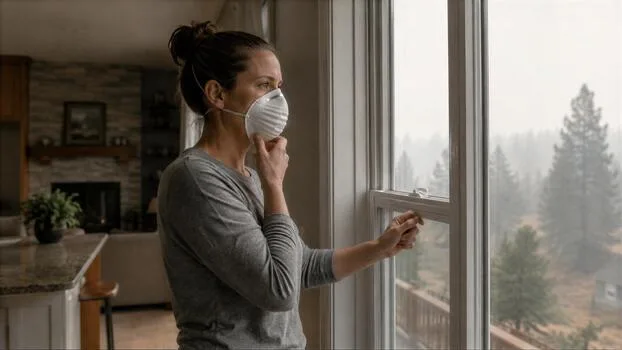
At the same time, outdoor air pollution remains a concern in many urban and industrial areas. Fine particulate matter, vehicle emissions, construction dust, smoke and other pollutants can enter buildings through doors, windows and ventilation systems.
Indoor environments also generate their own pollutants.
Cleaning products, paints, furniture, carpets, building materials, cooking activities, printing equipment and personal care products can release particles or gases into indoor air. Dust and allergens can also accumulate over time.
For workplaces, the issue can become even more complex. Manufacturing facilities, warehouses, laboratories, workshops and other industrial environments may have specific airborne contaminants associated with their activities.
This means there is no single source of indoor air pollution. Effective air quality management requires an understanding of where pollutants come from and how they move through a building.
What Is Indoor Air Pollution?
Indoor air pollution refers to unwanted contaminants present in the air inside buildings.
These contaminants can include:
- Dust and fine particulate matter
- Pollen
- Pet dander
- Mould spores
- Smoke particles
- Bacteria and other microorganisms
- Volatile organic compounds (VOCs)
- Odours and certain gaseous pollutants
- Particles generated by industrial or commercial activities
The type and concentration of pollutants depend heavily on the building, its location, ventilation system, activities and occupancy.
For example, an office located next to a busy road may experience different air quality challenges from a warehouse handling dusty materials. A school may have different requirements from a healthcare facility.
Understanding these differences is important when selecting an air purification solution.
How Can an Air Purifier Help?
An air purifier works by drawing air through one or more filtration or purification technologies and then releasing treated air back into the room.
The effectiveness of an air purifier depends on several factors, including the technology used, filter efficiency, airflow rate, room size, pollutant type and how the unit is operated.
Different purification technologies target different pollutants.
1. HEPA Filtration for Fine Particles
High-efficiency particulate air, or HEPA, filters are widely used for capturing airborne particles.
Depending on the filter specification and testing standard, HEPA filtration can capture a very high percentage of particles within its tested particle-size range.
This makes it useful for environments where controlling airborne particulate matter is a priority.
HEPA air filtration can help capture pollutants such as:
- Fine dust
- Pollen
- Mould spores
- Certain airborne particles
- Some particles associated with respiratory aerosols
However, HEPA filters do not remove every type of pollutant. They primarily address particulate matter rather than gases and VOCs.
2. Activated Carbon for Gases and Odours
Activated carbon filters work differently from particle filters.
Carbon has a highly porous structure that can adsorb certain gases and chemical compounds. As a result, activated carbon is commonly incorporated into air purification systems designed to address odours and certain VOCs.
This can be particularly useful for air purification in offices, commercial buildings and other environments where chemical odours or gaseous pollutants are a concern.
The amount and quality of activated carbon matter. A thin carbon layer may have limited capacity compared with a system containing a substantial quantity of properly designed carbon media.
3. Pre-Filters for Larger Particles
Many air purification systems use a pre-filter before the main filtration stage.
Pre-filters can capture larger particles such as:
- Hair
- Fibres
- Larger dust particles
- Visible debris
This helps protect the finer filter stages and can extend their service life.
In dusty environments, an effective pre-filtration stage can be particularly important.
4. Other Air Purification Technologies
Depending on the application, air purification systems may incorporate additional technologies such as electrostatic filtration, UV-based systems or other methods.
These technologies can have different advantages and limitations, so they should be evaluated based on the specific air quality problem rather than simply selecting a system based on the number of technologies included.
The goal should always be to match the purification method to the pollutants that need to be controlled.
Air Purification and Ventilation: Are They the Same?
No.
Ventilation and air purification perform different functions, although they can work together.
Ventilation introduces outdoor air and removes indoor air. When outdoor air is suitable and ventilation is properly designed, it can help dilute indoor pollutants.
Air purification, on the other hand, treats air by removing or reducing specific contaminants.
An air purifier should therefore not automatically be viewed as a replacement for adequate ventilation.
A well-designed indoor air quality strategy may combine:
Source control + ventilation + filtration/air purification + regular monitoring
For example, if a building has a strong source of pollution, simply installing an air purifier may not solve the underlying problem. Controlling the source should generally be considered first where practical.
Why Air Purification Matters in Workplaces
Employees can spend a significant portion of their day inside workplaces. Offices, factories, warehouses, retail environments and other commercial buildings therefore need to consider indoor air quality as part of their overall working environment.
Poor indoor air quality can be associated with complaints such as unpleasant odours, irritation and discomfort. It can also contribute to an environment where employees feel less comfortable while working.
For businesses, air quality management can therefore form part of broader workplace environmental and occupational health practices.
Different workplaces require different approaches.
Offices
Office environments can experience pollutants from outdoor traffic, cleaning products, furniture, printers, occupants and insufficient ventilation.
Air purification can provide an additional layer of particle and pollutant control, particularly in enclosed areas.
Schools and Classrooms
Classrooms can become crowded environments with relatively high occupancy. Dust, allergens and airborne particles can accumulate, particularly where ventilation is inadequate.
Portable or integrated air purification systems can complement ventilation and filtration strategies.
Warehouses
Warehouses can experience dust from packaging, movement of goods, vehicle activity and stored materials.
The appropriate industrial air purification solution depends on the type and concentration of dust, the building layout and the source of the particles.
Factories and Industrial Facilities
Industrial environments may generate specific airborne contaminants through manufacturing and processing activities.
In these situations, general room air purification may not be sufficient. Source capture, local exhaust ventilation and purpose-designed industrial filtration may be required.
Industrial air purification can still have a role as part of a broader air quality management strategy.
Air Purification in Homes
Residential buildings can also benefit from better indoor air quality.
Homes can contain pollutants generated by cooking, cleaning, pets, personal care products, furnishings and outdoor air infiltration.
Bedrooms and living rooms are common locations for portable air purifiers because these are spaces where people may spend several hours at a time.
For homes, an appropriately sized air purifier can help reduce airborne particles and, depending on the filtration technology, certain odours and gaseous pollutants.
However, regular cleaning, adequate ventilation and controlling pollution sources remain important.
What Should You Look for When Choosing an Air Purifier?
Not every air purifier is suitable for every application.
Before purchasing or installing an air purification system, consider the following factors.
Room Size
An air purifier needs to provide sufficient airflow for the space in which it operates.
A unit designed for a small bedroom may not be suitable for a large office or commercial area.
Look at the manufacturer’s recommended room size and airflow specifications rather than relying only on general marketing claims.
Clean Air Delivery Rate
Clean Air Delivery Rate, or CADR, can help consumers compare how quickly certain particle pollutants can be removed by portable air cleaners.
A higher CADR generally means the system can deliver more cleaned air per unit of time under the applicable testing conditions.
However, CADR should be considered alongside room size, operating speed, noise and filter type.
Filter Type
Understand what the filtration system is designed to remove.
A HEPA filter can be useful for particulate matter, while activated carbon is relevant to certain gases and odours.
If a product claims to remove a particular pollutant, check what testing or certification supports the claim.
Filter Replacement
Filters do not last forever.
As filters accumulate pollutants, airflow can become restricted and filtration performance can be affected.
A good air purification strategy therefore includes regular inspection and filter replacement according to the manufacturer’s recommendations and actual operating conditions.
Noise Levels
Noise is particularly important in bedrooms, classrooms, offices and healthcare environments.
An air purifier that is technically effective but too noisy to operate at the required speed may not deliver the intended benefits.
Energy Consumption
Since air purifiers may operate for many hours each day, energy efficiency can become an important consideration.
Look at power consumption at different fan speeds and consider how frequently the unit will operate.
Can Air Purifiers Remove All Air Pollution?
No.
This is one of the most important points to understand.
Air purification can reduce certain airborne pollutants, but no single air purifier can eliminate every indoor air quality problem.
For example, particle filters are designed primarily for particles, while activated carbon is used for certain gases and odours.
An air purifier also cannot correct every underlying building issue. Water leaks, mould growth, poor ventilation, combustion sources and chemical emissions may require source-specific solutions.
For this reason, commercial air purification should be considered part of a broader indoor air quality strategy.
The Role of Air Quality Monitoring
One of the most useful developments in indoor air quality management is the increasing availability of air quality monitoring technology.
Sensors can provide information about parameters such as particulate matter, carbon dioxide, temperature and humidity, depending on the system.
Monitoring can help identify changes in indoor air quality and determine whether additional measures are necessary.
For example, if carbon dioxide levels regularly rise in an occupied room, the issue may indicate insufficient ventilation rather than simply a need for additional particle filtration.
Similarly, elevated particulate levels may indicate a specific pollution source that needs to be investigated.
The data should therefore be interpreted in context rather than treating a single sensor reading as a complete assessment of indoor air quality.
Air Purification Needs Are Becoming More Application-Specific
One of the key trends in 2026 is the move away from treating air purification as a one-size-fits-all solution.
Different environments have different requirements.
A small office may need a portable particle filtration system. A manufacturing facility may require source extraction and industrial filtration. A healthcare environment may have specific filtration requirements. A school may need a combination of ventilation, filtration and monitoring.
This makes proper assessment increasingly important.
Before selecting equipment, consider:
- What pollutants are present?
- Where are they coming from?
- How large is the space?
- How many people occupy it?
- What ventilation is already available?
- What airflow does the purifier provide?
- What filtration technologies are being used?
- How frequently will filters need to be replaced?
- What operating noise is acceptable?
- How will performance be monitored?
Answering these questions can help businesses and homeowners choose a more appropriate solution.
Looking Ahead: Cleaner Indoor Air in 2026 and Beyond
Air quality is becoming an increasingly important part of building management.
As people become more aware of indoor pollutants and as buildings become more sophisticated, air purification is likely to remain an important component of indoor environmental strategies.
However, the focus should not simply be on buying an air purifier.
The bigger objective is to create an indoor environment where pollutants are controlled at their source, ventilation is appropriate, filtration is effective and air quality can be monitored when necessary.
Air purification can provide an additional layer of protection by continuously treating the air and reducing certain airborne contaminants.
For homes, offices, schools, warehouses and commercial facilities, the right solution will depend on the building and its specific air quality challenges.
Conclusion
The need for clean indoor air is not a temporary concern. In 2026, indoor air quality continues to be an important consideration for residential, commercial and industrial environments.
Air purifiers can help by filtering airborne particles and, when equipped with suitable technologies, reducing certain gases, odours and other pollutants. HEPA filtration, activated carbon and pre-filtration can each serve different purposes, while monitoring can provide valuable information about changing air quality conditions.
However, air purification works best as part of a comprehensive approach. Source control, appropriate ventilation, effective filtration, regular maintenance and air quality monitoring should all be considered when managing indoor air.
The right air purifier is not simply the one with the most features. It is the one that is appropriately designed and sized for the environment, targets the relevant pollutants and can operate effectively and consistently.
As indoor air quality becomes a greater priority in 2026, investing in the right air purification strategy can help create cleaner, more comfortable and better-managed indoor environments.