Reimagining the Web: A Snapshot of 2026’s Digital Frontier
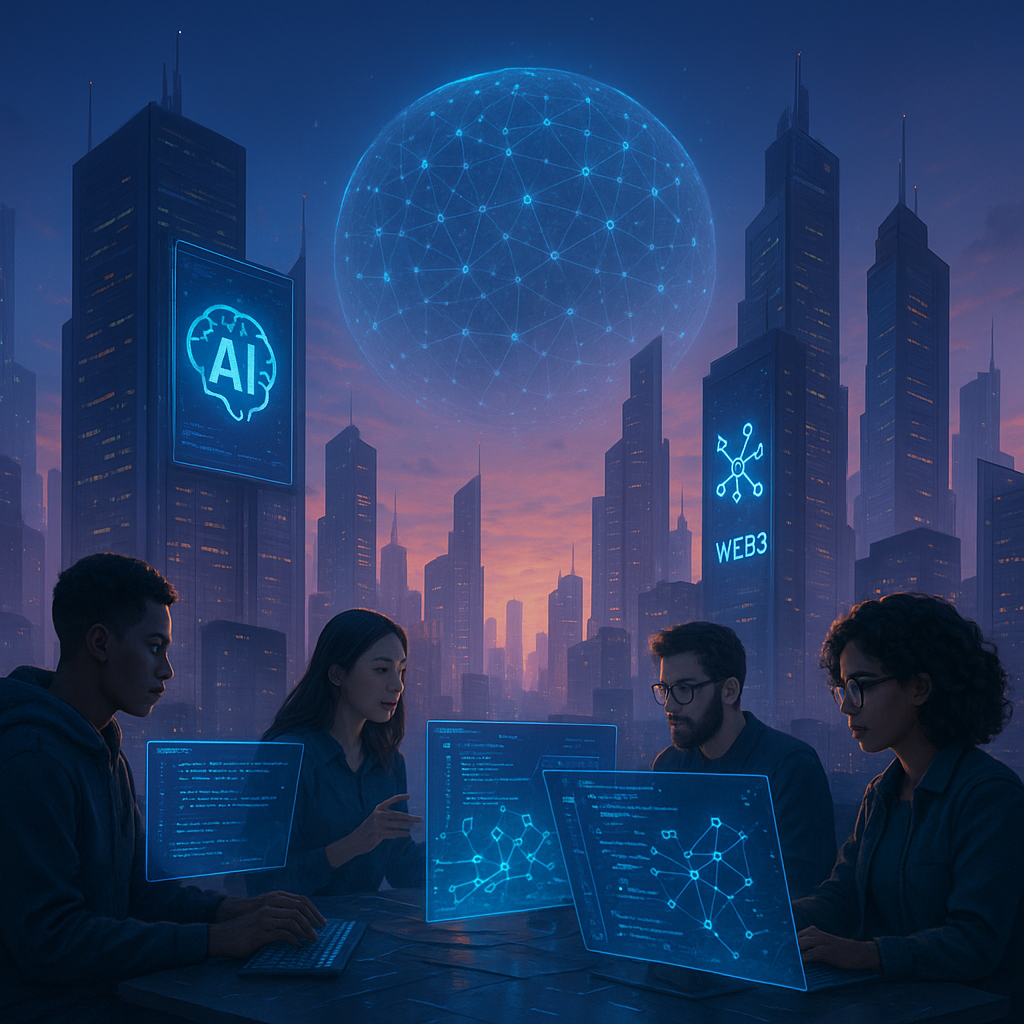
On a crisp spring morning in 2026, a developer in Berlin deploys a decentralized application (dApp) on a blockchain-native platform with the help of AI-powered coding assistants. This isn’t a scene from a distant future but a daily reality for millions of web professionals worldwide. The convergence of artificial intelligence (AI), Web3 technologies, and advanced tooling has fundamentally transformed web development practices. Unlike five years ago, when JavaScript frameworks dominated and cloud services ruled, today’s web development embraces decentralization, automation, and hyper-personalization.
The rise of AI-driven code generation and Web3’s decentralized protocols have unlocked unprecedented possibilities, empowering developers to build applications that are more secure, interactive, and user-centric. According to industry estimates, the global web development market is expected to surpass $250 billion by the end of 2026, fueled largely by these innovations.
“In 2026, web development is less about writing lines of code and more about orchestrating intelligent systems that adapt and evolve with user needs.” – Dr. Lina Park, CTO at NextGen Web Solutions
As these technologies mature, businesses and creators alike are redefining how digital experiences are crafted and delivered, signaling a profound shift in the very fabric of the internet.
From Static Pages to Adaptive Ecosystems: The Evolutionary Path
The journey to 2026’s web development landscape is rooted in decades of incremental innovation. In the early 2020s, frameworks like React and Vue.js dominated, focusing on client-side rendering and component-based architectures. Concurrently, cloud platforms such as AWS and Azure facilitated scalable deployments, while RESTful APIs and later GraphQL streamlined data communication.
However, these traditional approaches had limitations, particularly in performance bottlenecks, centralized control, and developer efficiency. The emergence of AI-assisted development tools in the early 2020s started to alleviate some burdens, automating repetitive coding tasks and enabling predictive debugging. Meanwhile, Web3 technologies — leveraging blockchain, decentralized storage, and smart contracts — began to challenge the centralized web model, promising greater user sovereignty and transparency.
By 2024, hybrid frameworks emerged that combined server-side rendering with decentralized backend services. Progressive Web Apps (PWAs) became ubiquitous, blurring the line between web and native experiences. The integration of AI chatbots and personalization engines became standard practice, driven by advances in natural language processing and machine learning.
These trends set the stage for the comprehensive transformation witnessed in 2026, where AI and Web3 are no longer experimental but foundational pillars.
2026 Core Developments: AI, Web3, and the Rise of No-Code Platforms
The current web development environment in 2026 is defined by three dominant forces: artificial intelligence, decentralization, and a surge in no-code/low-code solutions. Together, they are dissolving traditional barriers and expanding access.
Artificial Intelligence as a Development Partner
AI-powered Integrated Development Environments (IDEs) now offer real-time code generation, optimization, and vulnerability assessment. Tools such as CodeGPT Pro and NeuralDev assist developers by suggesting context-aware code snippets, predicting bugs before they manifest, and even generating entire modules based on natural language descriptions.
According to data from the Web Developers Guild 2026 report, 78% of professional developers rely on AI assistance daily, increasing productivity by an average of 45%. Moreover, AI automates testing pipelines, performance tuning, and accessibility compliance checks, significantly reducing time-to-market.
Web3 and Decentralized Architectures
Decentralized protocols underpinning the new web allow for user data ownership, censorship resistance, and transparent transactions. Ethereum 3.0 and Polkadot 2.0 have matured, enabling scalable, interoperable dApps that rival traditional centralized services in performance.
Developers now integrate blockchain-based identity management, decentralized storage via IPFS, and tokenized incentives directly into web applications. This shift has redefined backend infrastructure, moving away from monolithic cloud services to distributed ledger technologies.
No-Code and Low-Code Democratization
No-code platforms powered by generative AI enable non-technical users to build sophisticated websites and applications. From small businesses launching e-commerce stores to NGOs creating interactive portals, these platforms have broadened the creator base dramatically.
- Market penetration: No-code solutions now represent 40% of new web projects.
- AI integration: Automated UX design and content generation streamline workflows.
- Collaborative features: Real-time multiuser editing and instant deployment.
This democratization challenges traditional developer roles but also spurs innovation by freeing professionals to focus on complex, high-value tasks.
Industry Perspectives and Impacts on Web Development Practices
Industry leaders offer diverse insights on the rapid changes unfolding in 2026. According to a recent panel hosted by the International Web Consortium, senior executives emphasize the need for ethical AI use, interoperability standards, and upskilling.
“The integration of AI into development workflows demands rigorous oversight to avoid biases and ensure security,” said Marissa Chen, Head of Engineering at Quantum Web Labs.
Meanwhile, CTOs of major blockchain enterprises highlight interoperability challenges as the next frontier. Cross-chain compatibility and standardized smart contract languages are critical to unlocking Web3’s full potential.
The impact on developer education is profound. Universities and bootcamps now teach AI-assisted programming and decentralized tech fundamentals as core curriculum components. The demand for hybrid skill sets—combining AI literacy with blockchain expertise—has surged, reshaping hiring practices.
Moreover, TheOmniBuzz’s coverage of how these trends shape the broader digital ecosystem underscores the interconnectedness of web development with other technology sectors such as cybersecurity, cloud computing, and user experience design.
Real-World Case Studies: Trailblazers in 2026 Web Development
Several companies illustrate the practical application of these advancements.
Case Study 1: DecentraShop – A Blockchain-Powered Marketplace
DecentraShop launched its fully decentralized marketplace in early 2026, enabling peer-to-peer transactions without intermediaries. Utilizing Ethereum 3.0 smart contracts and IPFS storage, it offers enhanced transparency and reduced fees.
- Development approach: AI-assisted code generation accelerated deployment by 60%.
- Security: Automated auditing tools detected vulnerabilities before launch.
- User impact: Over 1 million active users in the first quarter, with 99.9% uptime.
Case Study 2: GreenCity Web Builders – No-Code for Sustainability Initiatives
GreenCity empowers local communities to create interactive environmental awareness websites using AI-powered no-code tools. This initiative has seen over 500 community groups launch sites within months, fostering grassroots digital engagement.
- Features: AI-generated content tailored to each locale’s environmental data.
- Outcomes: Increased public participation in sustainability programs by 35%.
These examples highlight how 2026’s web development advances are not just theoretical but actively reshaping industries and communities.
Looking Ahead: What to Watch in the Next Wave of Web Development
Several emerging trends merit close attention as the web development field continues to evolve.
- Quantum Computing Integration: Experimental frameworks are exploring quantum-safe encryption and quantum-enhanced AI algorithms.
- Metaverse Interfaces: Web3-enabled immersive experiences will require new front-end paradigms blending 3D graphics with decentralized protocols.
- Ethical AI Governance: As AI tools become more autonomous, regulatory frameworks will shape development practices globally.
- Green Web Development: Sustainability considerations will drive demand for energy-efficient coding and hosting solutions.
Developers and businesses that anticipate and adapt to these shifts will remain competitive and innovative. For further insights on these trajectories, TheOmniBuzz’s deep dive on trends and challenges offers comprehensive analysis.
“The future of web development is not just about technology, but about embedding human values and sustainability into every line of code.” – Elena Rodriguez, Sustainable Tech Advocate
In conclusion, 2026 marks a pivotal year where AI and Web3 coexist as core drivers of web development. This convergence is transforming how the internet is built, experienced, and governed, promising a more intelligent, decentralized, and inclusive digital future.