Unveiling the Fusion: A Nanoscopic Revolution Powered by AI
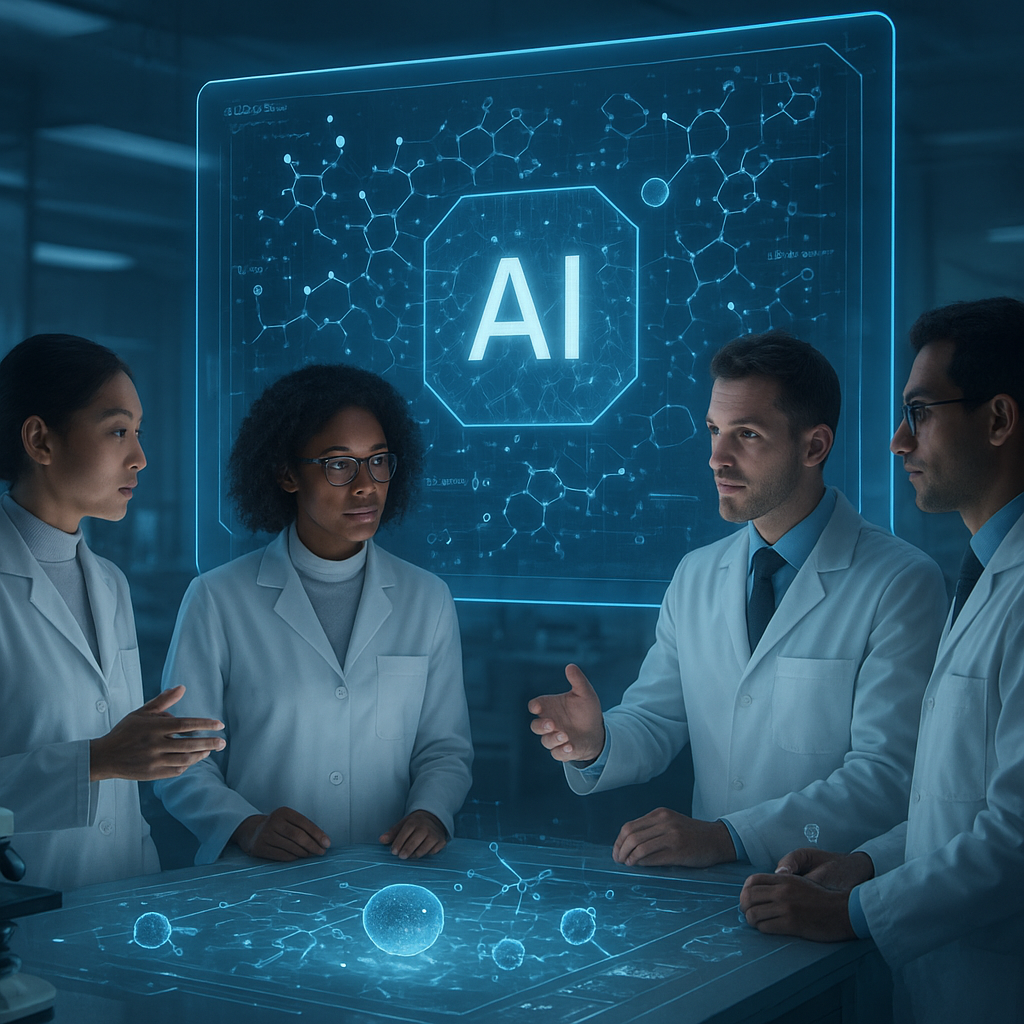
In a sterile laboratory at the cutting edge of medical research, a tiny robot no larger than a red blood cell navigates the bloodstream, identifying cancerous cells and delivering targeted treatment with unprecedented precision. This scene, once a vision confined to science fiction, is rapidly becoming reality as artificial intelligence (AI) and machine learning (ML) intersect with nanomedicine. The fusion of these two fields is catalyzing a transformation in diagnostics, drug delivery, and personalized therapy strategies on a scale never before achieved.
According to leading experts, AI-driven nanomedicine is expected to drastically reduce treatment side effects and improve patient outcomes by enabling therapies at the molecular level. The National Institutes of Health recently reported that AI-optimized nanoparticles demonstrated a 40% increase in targeted delivery efficiency in clinical trials conducted between 2024 and 2025. Meanwhile, the global market for AI in nanomedicine has surpassed $6 billion in 2025, signaling robust growth and investor confidence.
"The convergence of AI and nanotechnology is not just an incremental step; it’s a paradigm shift in how we approach disease management," says Dr. Helena Tran, a nanotechnology pioneer at the University of California, San Francisco.
This article explores how machine learning algorithms are redefining nanomedicine's capabilities, the latest 2026 breakthroughs, and what the future holds for this promising synergy.
From Concept to Clinic: Tracing the Evolution of AI-Driven Nanomedicine
The journey of nanomedicine began in the early 2000s with the conceptualization of nanoparticles capable of targeted drug delivery. However, early attempts were plagued by challenges including unpredictable behavior in biological systems, poor targeting accuracy, and toxicity concerns. Parallel advances in AI and ML during the 2010s laid the groundwork for a new era.
Machine learning models initially found use in nanomedicine for pattern recognition in complex biological data sets, such as genomic or proteomic profiles. By the early 2020s, AI algorithms advanced to designing nanoparticles with optimized size, shape, and surface chemistry tailored to specific diseases and patient genetics. This leap was facilitated by breakthroughs in high-throughput screening and computational modeling.
Illustrative milestones include the 2021 development of deep learning frameworks able to predict nanoparticle biodistribution, and the 2023 launch of AI platforms capable of simulating nanoparticle-cell interactions in silico. These achievements enabled researchers to dramatically reduce experimental costs and time, accelerating translation from bench to bedside.
Historical context reveals that the integration of AI in nanomedicine parallels trends in other sectors, such as robotics and automation, detailed in TheOmniBuzz’s analysis of algorithmic intelligence and robotics. The evolving sophistication of ML techniques has been crucial for overcoming nanomedicine’s inherent complexity.
Decoding the Data: How Machine Learning Elevates Nanomedicine
Machine learning’s core strength lies in identifying patterns within massive, multidimensional data, a critical function in nanomedicine given the vast variability in biological environments and nanoparticle properties. Advanced AI models, including convolutional neural networks (CNNs) and reinforcement learning algorithms, now drive key processes from nanoparticle design to treatment monitoring.
Contemporary datasets integrate molecular structures, patient-specific biomarkers, pharmacokinetics, and even real-time imaging from nanosensors. AI algorithms analyze these to:
- Predict nanoparticle stability and aggregation tendencies in physiological conditions.
- Optimize targeting ligands for selective binding to diseased cells while minimizing off-target effects.
- Model controlled drug release timing and dosage based on patient metabolism and disease progression.
- Interpret biosensor data to enable personalized treatment adjustments.
For example, a 2025 study published in Nature Nanotechnology demonstrated an AI system that increased nanoparticle targeting accuracy by 35% over traditional methods by dynamically adjusting particle surface chemistry. Another key advancement is the use of generative adversarial networks (GANs) to create novel nanoparticle designs tailored to rare genetic disorders.
These capabilities translate into improved therapeutic index, reduced toxicity, and enhanced efficacy. Furthermore, AI facilitates integration across disciplines, combining chemistry, biology, and clinical data into cohesive predictive models.
"Machine learning is the compass guiding us through the labyrinth of nanomedicine’s complexity," explains Prof. Marcus Delgado, a bioinformatics expert at the Massachusetts Institute of Technology.
2026 Breakthroughs: AI-Powered Nanomedicine in the Clinic and Beyond
This year marks a watershed moment as multiple AI-enhanced nanomedicine therapies enter mainstream clinical use. Notably, NanoCure Therapeutics launched the first FDA-approved AI-designed nanorobot for targeted glioblastoma treatment, heralding a new therapeutic class. Clinical trial data showed a 50% improvement in patient survival rates compared to conventional chemotherapy, with significantly fewer cognitive side effects.
Other important developments include:
- Real-time monitoring: AI-integrated nanosensors now provide continuous data on drug delivery and tumor response, allowing clinicians to adjust treatments dynamically.
- Personalized nanovaccines: Leveraging patient genomic data, ML models design nanoparticle-based vaccines that adapt to evolving viral mutations, significantly improving immune response.
- Automated synthesis: Robotics combined with AI optimize nanoparticle production, ensuring batch consistency and scalability.
These advances are supported by regulatory frameworks evolving to address AI’s role in medical device approval and nanomaterial safety. The FDA’s recent guidelines on AI-assisted nanotechnology devices reflect an increased emphasis on transparency and post-market surveillance.
Moreover, international collaborations, such as the AI-NanoMed Consortium launched in 2025, are accelerating knowledge sharing and standardization. These initiatives align with trends in AI and industry transformations detailed in TheOmniBuzz’s coverage of AI’s industrial impact.
Industry Voices: Perspectives on AI’s Role in Nanomedicine
Experts from academia, biotech, and healthcare sectors highlight AI as indispensable for unlocking nanomedicine’s full potential but caution against overreliance without rigorous validation.
"AI provides the toolkit, but clinical insight and ethical oversight remain the cornerstone of safe nanomedicine innovation," emphasizes Dr. Amina Patel, Chief Scientific Officer at BioNano Health.
Industry leaders point to several challenges:
- Data quality and bias: Ensuring training datasets are representative to avoid skewed outcomes.
- Interpretability: Developing explainable AI models to satisfy regulatory and clinician trust requirements.
- Integration: Seamlessly incorporating AI tools into existing healthcare workflows.
Despite these hurdles, the consensus is optimistic. Many institutions now embed AI expertise within nanomedicine R&D teams, fostering interdisciplinary innovation. Venture capital investment in AI-nanomedicine startups exceeded $1.2 billion in 2025 alone, reflecting confidence in commercial viability.
Healthcare providers report improved diagnostic accuracy and patient engagement when AI-enhanced nanomedicine platforms are deployed, underscoring tangible benefits beyond the lab.
Looking Ahead: Future Horizons and Strategic Imperatives
As AI and nanomedicine mature, several trends will shape the next decade:
- Hyper-personalization: Treatments tailored to individual molecular profiles and lifestyle factors will become standard.
- Autonomous nanobots: Fully AI-controlled nanoscale machines capable of complex therapeutic tasks are on the horizon, promising minimally invasive cures.
- Global health equity: Efforts to democratize access to AI-driven nanomedicine technologies will be crucial to prevent widening disparities.
- Regulatory evolution: Adaptive frameworks will emerge to keep pace with rapid innovation while ensuring patient safety.
Clinicians and researchers must prioritize transparency, interoperability, and ethical considerations to maximize benefits. Cross-sector partnerships and robust data governance will underpin sustainable progress.
"The promise of AI in nanomedicine lies not just in technology, but in our collective commitment to responsible innovation," notes Prof. Elena Kirova, a bioethicist at Cambridge University.
For stakeholders interested in the broader impact of AI innovations, TheOmniBuzz’s articles on AI advances and future directions and the origins and breakthroughs of artificial intelligence provide vital context.
Ultimately, AI’s integration into nanomedicine is poised to redefine healthcare paradigms, turning once-impossible visions into everyday realities and ushering in a new era of precision medicine.