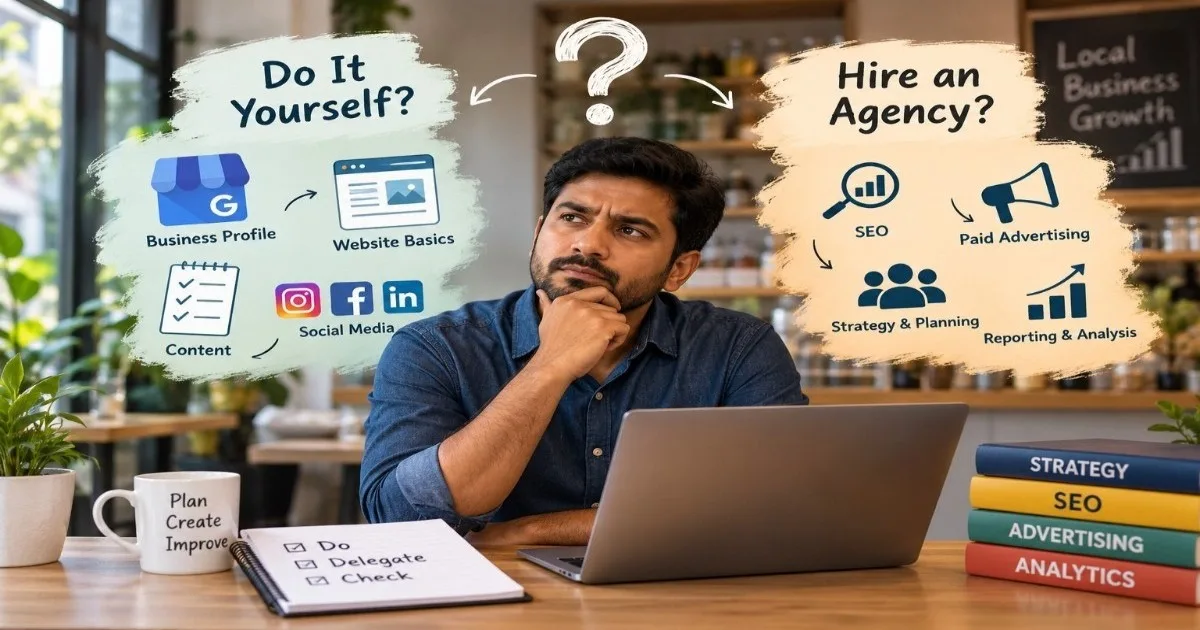

In recent years, artificial intelligence has reshaped how businesses approach digital marketing. From predictive analytics to automated content creation, AI-driven tools are no longer experimental—they are becoming essential for companies seeking sustainable growth in competitive markets. As organizations navigate this shift, many turn to specialized partners to integrate these technologies effectively.
One such solution is working with an เอเจนซี่ AI Marketing, which combines data science, marketing strategy, and automation into a unified approach. Rather than relying solely on traditional tactics, these agencies leverage machine learning and advanced analytics to refine targeting, personalize messaging, and optimize performance across channels.
Understanding how these agencies operate—and whether they align with business objectives—has become a key consideration for decision-makers evaluating their digital strategy.
The Evolution of AI in Digital Marketing
Artificial intelligence in marketing has progressed far beyond simple automation. Early applications focused on rule-based systems, such as scheduled emails or basic segmentation. Today, AI systems can analyze vast datasets in real time, uncover patterns, and make predictive decisions that would be difficult for humans to replicate at scale.
This evolution has introduced several capabilities:
- Predictive customer behavior analysis
- Dynamic content personalization
- Automated media buying and optimization
- Natural language processing for customer interactions
These developments have made it possible for brands to move from reactive campaigns to proactive strategies. Instead of responding to trends, businesses can anticipate them.
What Defines an AI-Driven Marketing Agency?
An AI-focused marketing agency differs from a traditional digital agency in both methodology and execution. While both may offer services such as SEO, paid advertising, and content marketing, the integration of AI fundamentally changes how these services are delivered.
Data-Centric Strategy
At the core of such agencies is a reliance on data. Campaign decisions are not based on intuition alone but are supported by:
- Behavioral analytics
- Historical performance data
- Real-time user signals
This allows for continuous optimization rather than periodic adjustments.
Automation with Intelligence
Automation is not new in marketing, but AI introduces adaptive learning. Systems can:
- Adjust bids in advertising campaigns automatically
- Modify content recommendations based on user engagement
- Optimize email send times for individual users
Personalization at Scale
One of the most notable advantages is the ability to deliver highly personalized experiences across large audiences. Instead of segmenting users into broad categories, AI enables micro-segmentation and individualized messaging.
Key Services Offered
AI-driven agencies typically provide a range of services that integrate technology with marketing expertise.
Predictive Analytics
Using historical and real-time data, predictive models estimate future outcomes such as:
- Customer lifetime value
- Conversion probability
- Churn risk
This helps businesses allocate resources more efficiently.
Programmatic Advertising
AI enhances programmatic advertising by automating the buying and placement of ads. Algorithms determine:
- Optimal bidding strategies
- Audience targeting parameters
- Timing and frequency of ad delivery
Content Optimization
Content is no longer static. AI tools can analyze performance metrics and suggest improvements, including:
- Headline variations
- Keyword adjustments
- Content structure enhancements
Customer Journey Mapping
By analyzing user interactions across multiple touchpoints, agencies can create detailed journey maps. These maps identify friction points and opportunities for engagement.
Benefits of Adopting AI in Marketing
Improved Efficiency
Automation reduces the time required for repetitive tasks, allowing teams to focus on strategic initiatives. Campaigns can run continuously with minimal manual intervention.
Enhanced Decision-Making
Data-driven insights provide a clearer understanding of what works and what does not. This reduces uncertainty and improves overall campaign effectiveness.
Scalability
AI systems can handle large volumes of data and interactions simultaneously, making it easier to scale marketing efforts without a proportional increase in resources.
Better ROI Measurement
Advanced analytics enable precise tracking of performance metrics. Businesses can measure return on investment with greater accuracy and adjust strategies accordingly.
Challenges and Considerations
While the advantages are significant, adopting AI in marketing is not without challenges.
Data Quality and Availability
AI systems rely heavily on data. Poor-quality or incomplete data can lead to inaccurate predictions and ineffective strategies.
Integration Complexity
Implementing AI tools often requires integration with existing systems such as CRM platforms, analytics tools, and content management systems. This can be technically complex.
Skill Requirements
Organizations may need specialized expertise to manage AI-driven campaigns effectively. This includes knowledge in data science, machine learning, and advanced analytics.
Ethical and Privacy Concerns
With increased data usage comes the responsibility to handle information ethically. Compliance with data protection regulations is essential.
When Should Businesses Consider This Approach?
Not every organization requires advanced AI capabilities. However, certain scenarios make it particularly beneficial:
- Businesses with large customer datasets
- Companies operating in highly competitive digital markets
- Organizations seeking to scale rapidly
- Brands aiming to deliver personalized customer experiences
In these contexts, working with an AI-focused partner can provide a strategic advantage.
Evaluating the Right Agency
Selecting the right partner involves more than reviewing service offerings. Decision-makers should consider:
Transparency
Clear communication about methodologies, tools, and expected outcomes is essential. Agencies should be able to explain how their systems work in understandable terms.
Track Record
Past performance, case studies, and client outcomes provide insight into an agency’s capabilities.
Customization
A one-size-fits-all approach is rarely effective. Strategies should be tailored to the specific needs and goals of the business.
Technological Capabilities
The tools and platforms used by the agency should align with current industry standards and be adaptable to future developments.
The Future of AI in Marketing
The role of artificial intelligence in marketing is expected to expand further. Emerging trends include:
- Generative AI for content creation
- Voice and visual search optimization
- Real-time sentiment analysis
- Advanced predictive modeling
As these technologies evolve, the gap between traditional and AI-driven marketing approaches is likely to widen. Businesses that adopt these innovations early may gain a competitive edge.
Conclusion
Artificial intelligence has become a transformative force in digital marketing, enabling more precise targeting, efficient operations, and scalable growth. Agencies that specialize in AI-driven strategies offer a structured way for businesses to harness these capabilities without building in-house expertise from scratch.
However, adoption should be approached thoughtfully. Success depends on data quality, strategic alignment, and the ability to integrate new technologies into existing workflows. By carefully evaluating their needs and selecting the right partner, organizations can leverage AI to enhance their marketing effectiveness and drive long-term growth.
FAQs
What does an AI marketing agency do?
An AI marketing agency uses artificial intelligence technologies to analyze data, automate processes, and optimize marketing campaigns. Their goal is to improve efficiency and deliver better results through data-driven strategies.
Is AI marketing suitable for small businesses?
It can be, especially if the business has access to sufficient data and aims to scale. However, the level of complexity should match the organization’s resources and objectives.
How does AI improve customer targeting?
AI analyzes user behavior, preferences, and historical data to identify patterns. This allows for more precise segmentation and personalized messaging.
Are there risks associated with AI in marketing?
Yes, including data privacy concerns, reliance on data quality, and the complexity of implementation. Proper planning and compliance measures are essential.
How long does it take to see results?
The timeline varies depending on the scope of implementation and the quality of data. Some improvements may be visible within weeks, while more advanced optimizations can take several months.