
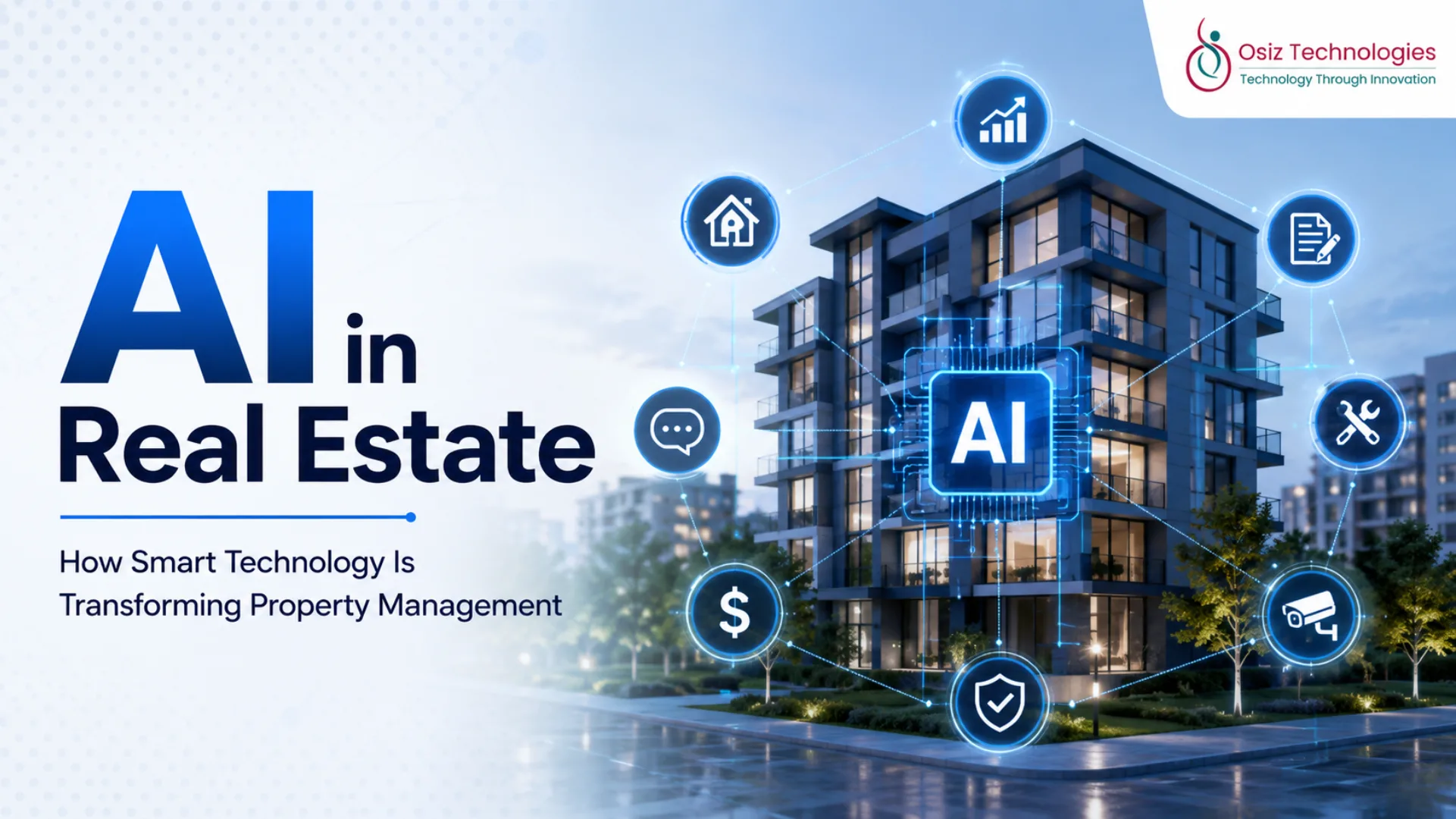
Property management has come a long way from manual paperwork, physical inspections, and time-consuming tenant interactions. Today, technology is reshaping how property owners, managers, and real estate businesses operate. From automated processes to data-driven decision-making, digital transformation is making property management more efficient than ever before.
One of the biggest drivers behind this transformation is AI in Real Estate. By leveraging artificial intelligence, property managers can streamline operations, improve tenant satisfaction, and make smarter business decisions. As the demand for intelligent property solutions grows, AI is becoming a key component of modern real estate management.
What Is AI in Real Estate?
Artificial Intelligence (AI) in real estate refers to the use of advanced technologies that can analyze data, automate repetitive tasks, and provide intelligent insights. These systems help property managers optimize operations while reducing manual effort.
AI can process large amounts of information, identify patterns, and make recommendations that improve efficiency. Whether it is handling tenant requests, monitoring building performance, or analyzing market trends, AI is helping real estate professionals manage properties more effectively and deliver better experiences.
How AI Automates Daily Property Management Tasks
Automated Rent Collection and Billing
Rent collection is one of the most repetitive tasks in property management. AI-powered systems can automate invoicing, payment reminders, and transaction tracking. This reduces administrative workload while ensuring timely payments from tenants.
AI-Powered Lease Management
Managing lease agreements manually can be challenging, especially for large property portfolios. AI can automate lease tracking, renewal notifications, document management, and compliance monitoring. This helps property managers stay organized while minimizing errors.
Streamlining Administrative Workflows
Property managers often spend significant time on scheduling, reporting, data entry, and document processing. AI simplifies these workflows by automating routine administrative tasks, allowing teams to focus on higher-value activities and strategic decision-making.
Creating Better Tenant Experiences with AI
Tenant satisfaction plays a critical role in property success. AI helps create more responsive, personalized, and convenient experiences for residents.
AI Chatbots for Tenant Support
Modern property management platforms are increasingly integrating AI chatbots to provide 24/7 tenant assistance. Through advanced AI Chatbot Development, businesses can deploy intelligent virtual assistants that answer common questions, handle maintenance requests, provide payment information, and guide tenants through various processes without human intervention. This improves convenience while reducing support workloads.
Personalized Tenant Communication
AI can analyze tenant preferences and communication history to deliver personalized updates, reminders, and recommendations. Whether it's notifying residents about upcoming maintenance or sharing community announcements, personalized communication enhances tenant engagement.
Faster Response Times and Issue Resolution
AI-powered systems can automatically categorize tenant requests, assign priorities, and route issues to the appropriate teams. This results in quicker responses and more efficient issue resolution, ultimately improving tenant satisfaction and retention.
Predictive Maintenance: Fixing Problems Before They Occur
Unexpected equipment failures can lead to costly repairs and tenant dissatisfaction. AI enables a more proactive approach to maintenance.
Real-Time Monitoring with Smart Sensors
Smart sensors continuously monitor building systems such as HVAC units, elevators, plumbing, and electrical infrastructure. AI analyzes sensor data in real time to identify unusual patterns that may indicate potential issues before they become major problems.
Reducing Maintenance Costs and Downtime
By predicting failures before they occur, property managers can schedule maintenance activities more effectively. This reduces emergency repair costs, minimizes downtime, and extends the lifespan of valuable building assets.
AI-Powered Property Valuation and Market Insights
Accurate property valuation and market analysis are essential for making informed real estate decisions.
Data-Driven Property Pricing
AI can analyze historical sales data, market conditions, location factors, and property features to generate accurate property valuations. This helps property owners and investors establish competitive pricing strategies while reducing the risk of overpricing or undervaluation.
Smarter Investment Decisions
Real estate investors rely on market intelligence to identify profitable opportunities. AI provides predictive insights into market trends, rental demand, and investment risks. These insights enable investors to make more confident decisions based on real-time data rather than assumptions.
Strengthening Property Security with Intelligent Systems
Security remains a top priority for residential and commercial properties. AI is transforming traditional security measures into intelligent, proactive systems.
AI-Based Video Surveillance
Advanced AI-powered surveillance systems can analyze video feeds in real time, detect unusual activities, and alert security personnel when potential threats are identified. This improves monitoring efficiency and enhances overall safety.
Smart Access Control Systems
AI-driven access control solutions use technologies such as facial recognition, biometric authentication, and intelligent visitor management. These systems provide secure and convenient access while reducing the risks associated with traditional keys and access cards.
Risk Detection and Threat Prevention
AI can identify suspicious behaviors, monitor security patterns, and generate alerts before incidents escalate. This proactive approach enables property managers to address risks quickly and maintain a safer environment for tenants and visitors.
Conclusion: The Future of Property Management Is Intelligent
The future of property management is being shaped by intelligent technologies that deliver greater efficiency, accuracy, and convenience. From automating administrative tasks and enhancing tenant experiences to predicting maintenance needs and strengthening security, AI is redefining how properties are managed.
As the real estate industry continues to evolve, businesses that embrace AI Development solutions will be better positioned to improve operations, reduce costs, and create exceptional tenant experiences. Intelligent property management is no longer a future concept—it is becoming the new standard for success in modern real estate.