The Dawn of a New Gaming Era: A 2026 Snapshot
Imagine stepping into a game where the world around you responds not only to your actions but also to your emotions, where NPCs adapt dynamically, and every decision reshapes the storyline in unprecedented ways. This is not a distant sci-fi dream—it is the reality taking shape in 2026. The global video game market has surged past $250 billion, fueled by innovations that break conventional boundaries of interactivity and immersion. According to industry estimates, over 65% of gamers now engage with titles featuring some form of AI-driven content generation or adaptive gameplay mechanics, a leap from just 20% in 2023.
One recent example is the critically acclaimed "Chronicles of Elysium," which integrates AI-powered narrative branching with real-time player emotion detection, creating a personalized story arc that differs drastically from player to player. This shift reflects a broader trend where developers leverage artificial intelligence and immersive technologies not merely as gimmicks but as core pillars of design.
Such advancements have sparked debates about the future of game development, player agency, and even the ethical dimensions of AI in interactive entertainment. As we explore these 2026 trends, it’s essential to understand the complex interplay of technology, creativity, and player culture shaping the industry today.
Tracing the Path: From Pixelated Beginnings to AI-Enhanced Realities
To appreciate the breakthroughs defining 2026, we must look back at the evolutionary arc of video games over the past decade. The 2020s marked a period of rapid growth in cloud gaming and mobile platforms, democratizing access to high-fidelity experiences. By 2023, major studios and indie developers alike began experimenting with procedural content generation—AI algorithms that create levels, quests, and even music dynamically.
This experimentation laid the groundwork for more sophisticated AI integration. Parallel advances in hardware—such as the widespread adoption of neural processing units in gaming consoles and PCs—enabled real-time AI computations that were once confined to servers or offline rendering. The rise of VR and AR headsets, with improved resolution and reduced latency, also set the stage for immersive experiences that blend physical and virtual worlds.
Moreover, the gaming community’s increasing appetite for personalization and narrative depth pushed developers to rethink static storytelling. Adaptive narrative engines, powered by large language models and behavior analysis, emerged as a response, allowing stories to evolve organically based on player input and emotional cues.
This historical context reveals that the 2026 gaming landscape is the result of layered innovations and shifting player expectations, a theme explored in depth in our Video Games in 2026: Innovation, Impact, and Industry Evolution article.
Crunching the Numbers: AI and Immersive Tech Impact in 2026
The integration of AI and immersive technologies has had measurable effects on industry metrics and player engagement. Recent market research highlights key data points that underscore the transformative nature of these trends:
- Revenue Growth: Games featuring AI-driven adaptive systems have witnessed a 40% higher average revenue per user (ARPU) compared to traditional static games.
- Player Retention: Titles employing advanced AI narrative engines report retention rates exceeding 70% after six months, versus 50% for conventional story games.
- Diversity of Content: Procedural generation techniques have increased the volume of unique in-game assets by over 300%, drastically reducing repetitive content fatigue.
- Cross-Platform Engagement: Immersive VR and AR games have grown their user base by 150% year-over-year, with mobile and PC hybrid play becoming the norm.
Comparing 2026 to prior years, it’s evident that the fusion of AI and immersive technologies is not incremental but exponential. Industry giants like Sony and Microsoft continue to invest heavily in AI research labs, while indie developers leverage open-source models to innovate at scale—a dynamic thoroughly examined in our piece on How Indie Games Are Reshaping the Gaming Industry’s Future.
“AI has shifted from a background tool to a central creative partner in game design. This changes everything—from development cycles to player experiences,” explains Dr. Helena Korsak, lead AI researcher at Horizon Interactive.
Current Developments: The AI and Immersion Revolution in Full Swing
In 2026, several groundbreaking developments highlight the maturation of AI and immersive tech in gaming:
- Emotion-Sensing Gameplay: Games now utilize biometric sensors and computer vision to analyze player emotions in real-time, adjusting difficulty, narrative tone, and NPC behavior accordingly. This creates deeper engagement and personalized pacing.
- AI-Generated Worlds: Entire game environments are procedurally generated using AI models trained on vast datasets of art, geography, and cultural references, enabling unique exploration experiences for every player.
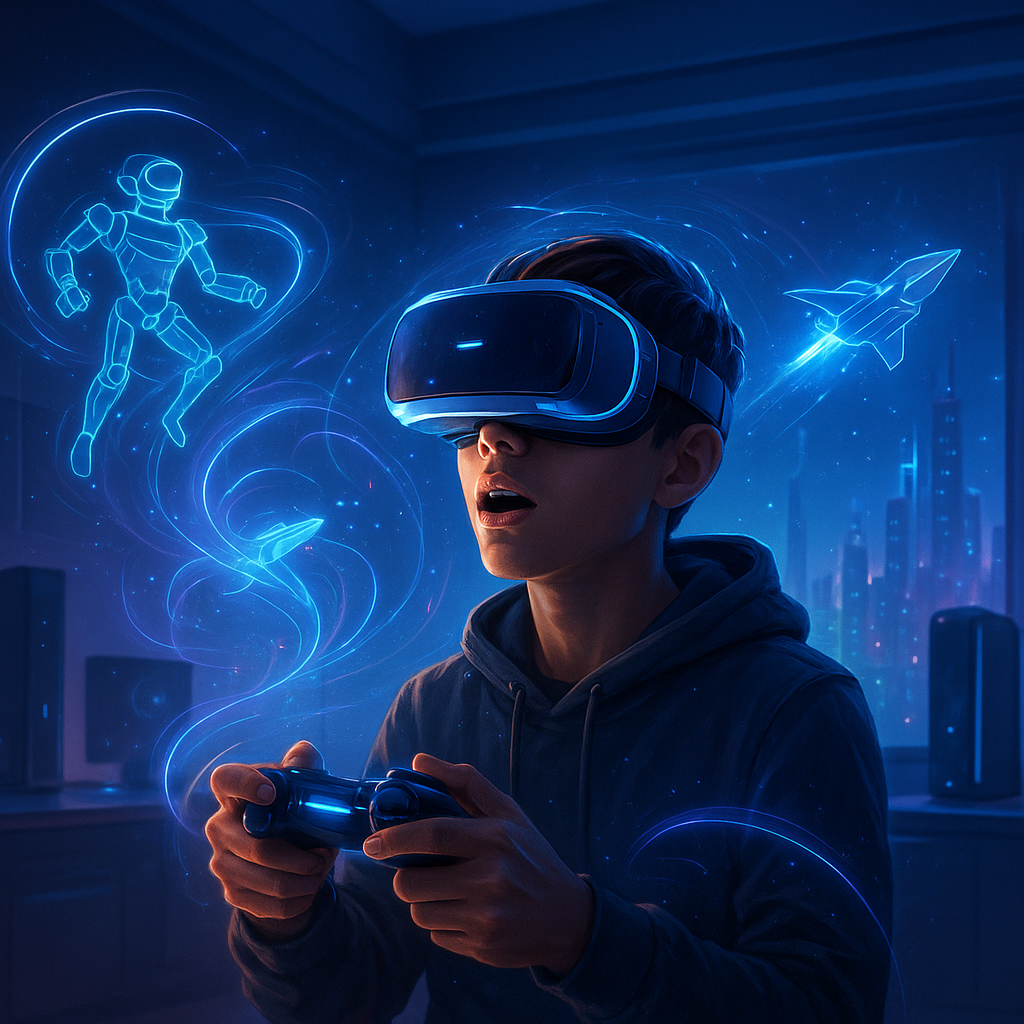
- Seamless Cross-Reality Interaction: Hybrid AR/VR titles allow players to transition effortlessly between physical and digital spaces, supported by advances in lightweight, wireless headsets with improved field-of-view.
- Collaborative AI Dungeon Masters: Multiplayer role-playing games feature AI-driven dungeon masters that tailor campaigns dynamically, responding to player choices and group dynamics in real-time.
These features are supported by a robust ecosystem of middleware and AI frameworks, many of which are open source or commercially licensed, accelerating adoption across studios. The rise of AI-as-a-Service (AIaaS) platforms has lowered barriers for smaller developers, enabling innovation beyond traditional industry powerhouses.
“The democratization of AI tools means we’re seeing creative ideas flourish from unexpected corners, enriching the gaming landscape,” says Maya Chen, CEO of indie studio Lumina Games.
Such developments have not only transformed gameplay but also challenged existing paradigms around content moderation, intellectual property, and player privacy, prompting regulatory and ethical discussions worldwide.
Voices from the Industry: Experts Weigh In on 2026’s Defining Trends
The rapid integration of AI and immersive technologies has elicited diverse reactions from industry leaders, scholars, and creators. Many emphasize the potential for unprecedented creativity and player empowerment, while cautioning against pitfalls such as algorithmic bias and over-reliance on automation.
James Albright, CTO of the global publisher TitanArcade, highlights the strategic importance: “AI is not just a feature; it’s a fundamental shift in how we approach game development. We’re moving from handcrafted experiences to co-created realities with players.”
Meanwhile, Dr. Sofia Martinez, a game ethics researcher at the University of Amsterdam, stresses the need for responsible innovation: “As AI shapes narratives and interactions, transparency and player consent must be prioritized to maintain trust.”
These perspectives underscore the multifaceted impact of 2026’s trends, influencing everything from business models to creative workflows. The ongoing dialogue between developers, players, and regulators will shape the trajectory of gaming’s future.
On the Horizon: What Gamers and Creators Should Expect Next
Looking ahead, several emerging trends promise to further redefine gaming in the coming years:
- Hyper-Personalization: Advances in AI will enable games to tailor not only narratives but also visual styles, soundscapes, and gameplay mechanics to individual preferences and moods.
- Decentralized Gaming Economies: Blockchain and Web3 technologies will increasingly integrate with AI to facilitate player-owned assets and community-driven content creation.
- AI-Augmented Development: Developers will collaborate with AI systems that can generate art, code, and design elements, dramatically shortening production timelines.
- Expanded Accessibility: New AI-powered tools will improve game accessibility for players with disabilities, including adaptive controls and real-time content translation.
For players eager to explore this evolving landscape, resources like our Beginner’s Roadmap to Play and Enjoyment can provide valuable guidance on navigating the latest technologies and genres.
In conclusion, the convergence of AI and immersive technologies is not merely enhancing games—it is transforming the very nature of interactive storytelling and player engagement. As the industry grapples with these changes, one thing is clear: the future of gaming will be defined by its ability to blend technology with human creativity in ever more profound ways.