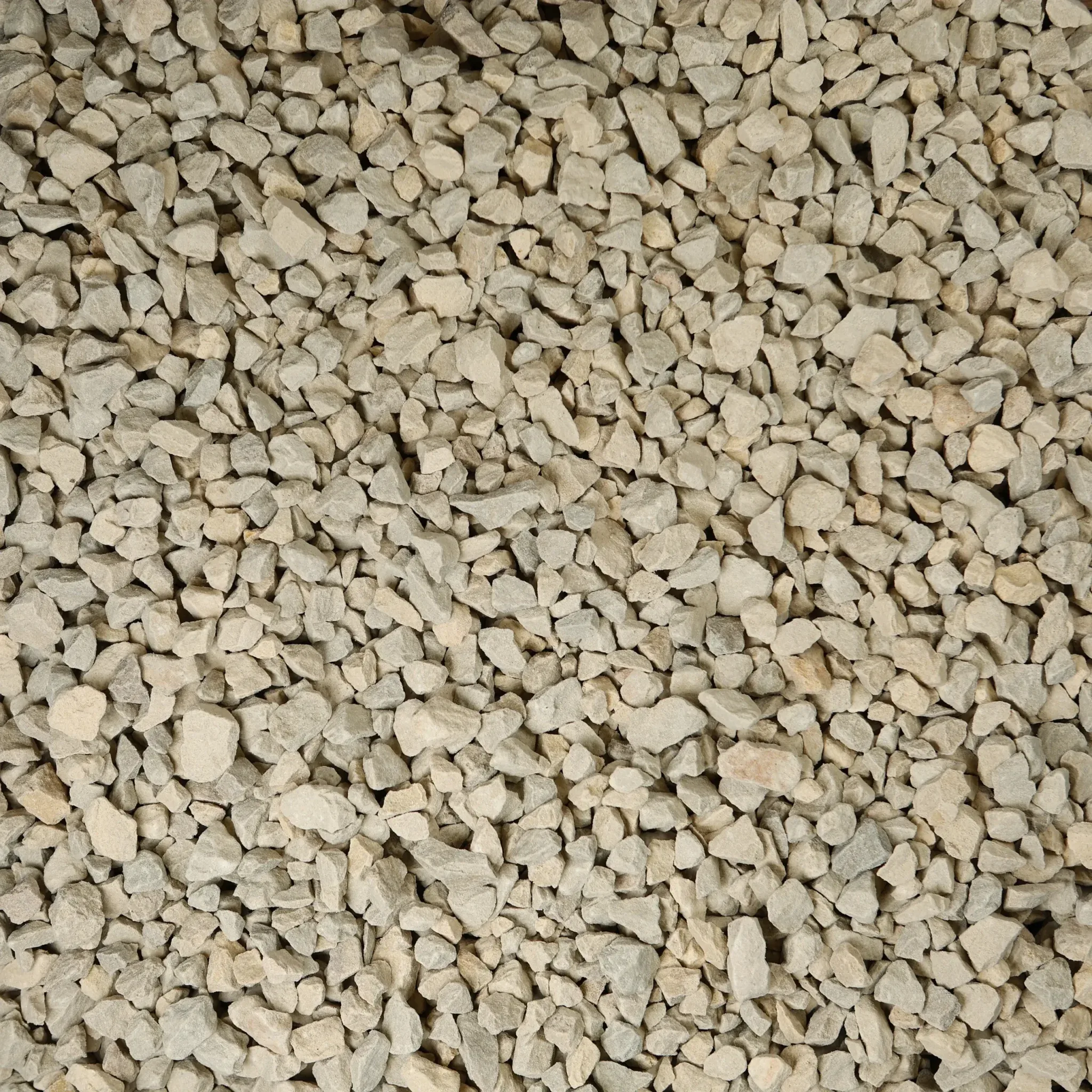
Choosing the right construction material can make a significant difference to the strength, appearance, drainage, and overall performance of a project. Aggregates are widely used across domestic landscaping, commercial construction, road building, drainage work, and groundwork. However, not every aggregate is suitable for every application. Understanding the different options available can help you select materials that match the requirements of your project.
When looking for Aggregates Bradford, it is important to consider factors such as aggregate size, material type, durability, drainage requirements, appearance, and intended use. Making the right choice at the planning stage can help prevent unnecessary costs and ensure a long-lasting result.
Understanding Aggregate Materials
Aggregates are granular materials commonly used in construction and landscaping. They can include crushed stone, gravel, recycled materials, limestone, and other mineral products. Depending on how they are processed, aggregates can range from fine particles and dust to larger stones.
Different grades have different characteristics. Smaller materials can be useful for creating compact surfaces, while larger stones may provide better structural support and drainage. Some decorative aggregates are selected primarily for their appearance, making them suitable for driveways, pathways, gardens, and other visible areas.
Before ordering materials, it is useful to understand what the project needs rather than simply choosing the cheapest option.
Aggregates for Driveways
Driveways need a surface that can withstand regular vehicle traffic, changing weather conditions, and repeated pressure. Crushed stone and well-graded gravel are commonly considered for this type of work because they can create a stable surface when correctly installed.
A mixture containing different aggregate sizes can help fill gaps between larger particles and improve compaction. The foundation underneath is equally important. Even high-quality aggregate can perform poorly if it is placed over unsuitable or poorly prepared ground.
For decorative driveways, homeowners may also consider attractive gravel or stone that complements the property's exterior. In these situations, appearance and performance should both be considered.
Materials for Landscaping Projects
Landscaping projects often require aggregates for paths, patios, borders, seating areas, and decorative features. Decorative gravel can provide a clean and attractive finish while requiring relatively little maintenance.
Smaller decorative stones are often suitable for garden pathways, while larger stones can be used around planting areas or as visual features. The colour and texture of the material can influence the overall appearance of the garden.
For landscaping, drainage should also be considered. Certain aggregate types can allow rainwater to move through the surface instead of collecting in low areas. A suitable base and correctly installed edging can further improve the finished project.
Aggregates for Drainage
Drainage systems rely on materials that allow water to move efficiently. Clean, appropriately graded stone is often used around drainage pipes, soakaways, and other water-management systems.
The correct aggregate depends on the design of the drainage installation. Materials should provide sufficient void space for water movement while also supporting surrounding structures. Using unsuitable or overly fine material can restrict water flow in some applications.
Anyone planning a drainage project should consider the expected water volume, soil conditions, pipe specifications, and local requirements before selecting the aggregate.
Materials for Foundations and Groundwork
Ground preparation is one of the most important stages of many construction projects. Aggregates can be used to create stable sub-bases beneath paving, concrete areas, roads, driveways, and other structures.
Crushed stone and MOT-type materials are commonly used for sub-base applications because they can be compacted to form a firm foundation. The appropriate material and depth depend on factors such as expected loading, ground conditions, and the type of surface being installed.
For projects involving heavy vehicles or substantial structures, professional advice can help determine the required specification.
Aggregates for Paths and Patios
Garden paths and patio areas need a stable and practical surface. Depending on the desired finish, homeowners can choose between compactable aggregates and decorative stones.
A compacted sub-base can provide structural support beneath paving slabs or other surface materials. Decorative aggregate can then be used for borders, pathways, or areas where a loose stone finish is preferred.
When choosing Aggregates Bradford, think about how the finished area will be used. A pedestrian pathway may have different requirements from an area expected to support cars, garden machinery, or delivery vehicles.
Choosing the Right Aggregate Size
Aggregate size is another important consideration. Larger stones can provide good drainage and may be useful for structural or decorative purposes. Smaller aggregates can be easier to compact and may create a smoother finished surface.
Mixed-size aggregates are often useful where compaction and stability are important. The smaller particles fill spaces between larger pieces, helping create a dense layer.
However, the ideal size depends on the specific application. Checking the material specification before ordering can prevent problems during installation.
Recycled Aggregates for Construction
Recycled aggregates can be an option for certain construction and groundwork projects. These materials may be produced by processing previously used construction materials such as concrete and brick.
For suitable applications, recycled materials can help reduce demand for newly quarried resources. They may be used in foundations, temporary access routes, hardstanding areas, and other groundwork applications where their specification meets project requirements.
Before choosing recycled aggregate, check its grading, composition, cleanliness, and suitability for the intended application.
Estimating How Much Material You Need
Ordering the correct quantity is essential. Too little material can delay a project, while ordering too much can increase costs and leave you with unused aggregate.
Start by measuring the length and width of the area. You will also need the planned depth. Multiplying these measurements gives the approximate volume required. Because aggregate is generally sold by weight or volume, conversion may be necessary when placing an order.
It is sensible to account for compaction and minor measurement variations. Suppliers can often provide guidance based on the dimensions and type of material required.
Delivery and Access Considerations
Aggregate delivery should also be considered before placing an order. Larger projects may require substantial quantities, meaning suitable access for delivery vehicles is important.
Check whether there are restrictions on the delivery location, such as narrow roads, low bridges, limited turning space, or restricted access to the property. Preparing a suitable area for unloading can make the process quicker and safer.
For larger groundwork projects, coordinating aggregate deliveries with excavation and waste-removal work can also improve overall efficiency.
Making a Practical Material Choice
Selecting Aggregates Bradford involves more than choosing a stone based on appearance or price. Consider the project's purpose, expected load, drainage requirements, installation method, required depth, and final appearance.
For example, a decorative garden pathway may require a very different aggregate from a commercial yard or vehicle access route. Similarly, drainage applications require materials with properties that support effective water movement.
Taking time to compare specifications can help ensure the selected material is appropriate and reduces the risk of having to replace unsuitable material later.
Why Professional Planning Matters
For straightforward landscaping work, homeowners may be able to determine their material requirements with basic measurements and supplier guidance. Larger construction and groundwork projects can be more complicated.
Professional contractors can assess ground conditions, calculate material quantities, arrange deliveries, and coordinate excavation or site preparation. This can be particularly useful where large quantities of aggregate are required or where the project involves drainage, foundations, access roads, or commercial surfaces.
Good planning can also help coordinate different stages of the project, reducing delays and unnecessary material handling.
About MLJ Grab Hire
mljgrabhire provides services that can support construction, landscaping, excavation, and site-clearance projects where reliable material handling and waste removal are required. Coordinating aggregate delivery with grab hire and muck-away services can make groundwork projects more efficient, particularly when excavated soil, rubble, or other construction waste needs to be removed from site. Working with an experienced service provider can help keep materials and waste organised throughout the project.
Conclusion
Choosing the right aggregate is an important part of successful construction, landscaping, drainage, and groundwork projects. From driveway surfaces and garden paths to foundations and drainage systems, different applications require different material properties.
When sourcing Aggregates Bradford, consider size, grading, durability, drainage, appearance, quantity, and intended use. Careful planning and accurate measurements can help control costs and ensure the material performs as expected. For larger projects, professional guidance and coordinated delivery can make the entire process more efficient and practical.