School is loud. Life is busy. Kids need a reset—not another pressure cooker.
After-school programs can be that reset button for Philadelphia kids who are quietly carrying way more stress than adults realize.
Why Stress Hits Philly Kids So Hard
Let’s be real—kids today aren’t stressed for no reason. Long school days, academic pressure, packed schedules, screen overload, and limited downtime all pile up. In a city like Philadelphia, add traffic, noise, crowded schools, and fewer safe outdoor spaces, and you’ve got kids running on empty by 3 PM.
Stress in kids doesn’t always show up as anxiety. It shows up as tantrums, zoning out, low focus, sleep issues, or sudden attitude changes. Ignoring it doesn’t make it disappear—it just leaks out later.
That’s where well-designed after-school programs step in.
Structure Is Calming (Even If Kids Don’t Say It)
Kids might resist routines, but their nervous systems love them. After a full school day, predictable schedules help kids feel safe and grounded. Knowing what comes next reduces mental load. No guessing. No chaos.
Strong after-school programs follow a clear rhythm: arrival, transition, activity, cooldown, and wrap-up. That rhythm alone lowers stress levels. It gives kids something school often can’t—emotional breathing room.
Movement Is Stress Relief, Not Just “Playtime”
Stress lives in the body. Sitting all day traps it there.
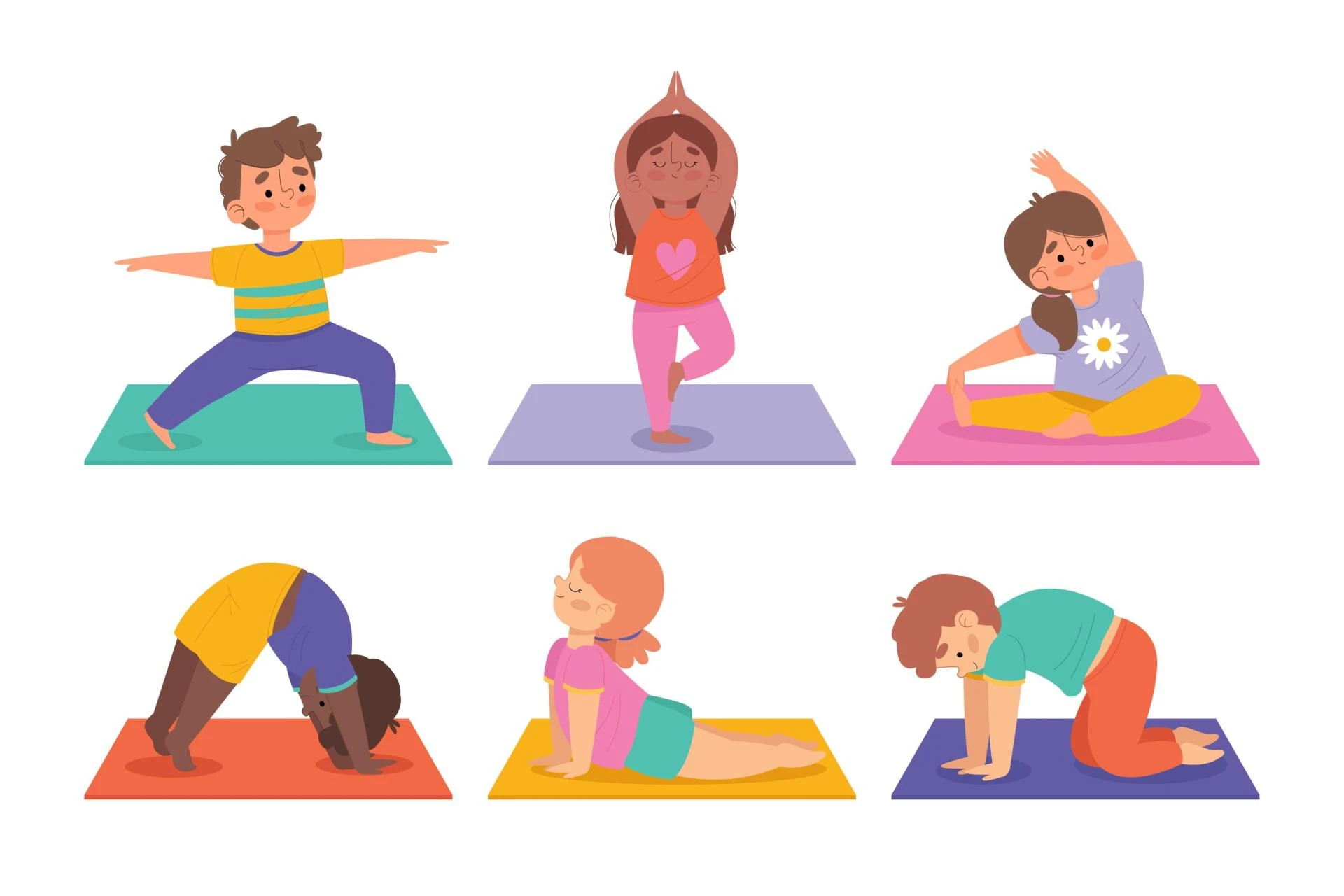
Programs that prioritize physical activity—fitness games, stretching, yoga, guided movement—help kids release built-up tension in healthy ways. This isn’t about exhausting kids; it’s about regulating them.
Movement boosts mood, improves focus, and helps kids sleep better later. You don’t need a study to see the results. Kids who move after school come home calmer. Period.
Teaching Calm Is More Powerful Than Enforcing It
Telling kids to “calm down” doesn’t work. Teaching them how does.
Mindfulness-based activities—simple breathing exercises, quiet reflection, body awareness—give kids tools they can actually use. These practices help kids pause instead of reacting, especially when emotions run high.
In Philly, where many kids experience overstimulation daily, learning how to self-regulate is a life skill, not a luxury. Programs that build this in aren’t just managing stress—they’re preventing burnout early.
Low-Pressure Social Time Builds Emotional Safety
School social environments can be intense. After-school programs offer something different: smaller groups, cooperative activities, and fewer academic expectations.
Kids connect through shared experiences, not competition. That sense of belonging is a natural stress reducer. Feeling seen and accepted matters more than most adults realize.
Plus, trained mentors often notice emotional shifts before parents or teachers do. Early support makes a massive difference.
Homework Help = Less Stress at Home
Homework is a stress hotspot—for kids and parents.
Programs that provide structured homework time help kids finish tasks earlier, ask questions without pressure, and head home mentally lighter. That turns evenings into actual downtime instead of another battleground.
Less conflict. Better sleep. Healthier routines.
A Safe Space Between School and Home
Not every kid wants to talk after school. Some just need space to decompress.
After-school programs create a buffer zone—a place where kids can reset before stepping back into family expectations. That emotional transition matters, especially for kids who struggle with overstimulation or anxiety.
The Bigger Picture
When parents search for after school programs near me, they’re often reacting to symptoms: mood swings, burnout, overwhelm. But the real need is deeper.
Kids don’t need more pressure. They need balance.
They don’t need longer days. They need better ones.
The right after-school program doesn’t just fill time—it protects mental health, builds resilience, and gives kids tools they’ll use for life.
And honestly? In today’s world, that’s not optional. It’s essential.