If you're looking at your garage floor and thinking it has seen better days, you're not alone. A double garage takes a beating. Between vehicle traffic, oil drips, dirt, moisture, and the occasional DIY project, the concrete surface can start looking worn out surprisingly fast.
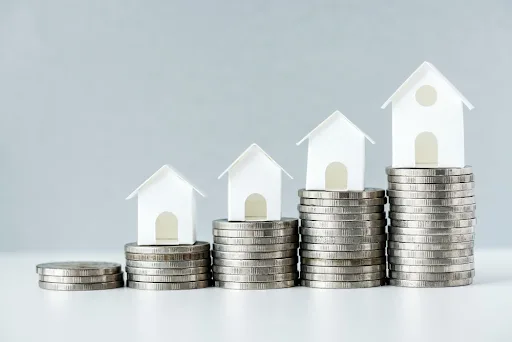
One of the most cost-effective upgrades I've seen for a double garage is an epoxy floor coating. It changes the entire appearance of the space without requiring a major renovation. The interesting part is that many homeowners assume epoxy is expensive until they actually look at the numbers.
When people start researching 2 car garage epoxy cost, they often find a wide range of estimates. That's because several factors affect the final price, from floor condition to coating quality and whether the installation is handled professionally or as a DIY project.
Let's break down what really matters.
Why Epoxy Is Such a Popular Garage Upgrade
Concrete is durable, but it isn't particularly attractive. It stains easily, collects dust, and can develop cracks over time. Epoxy creates a protective layer over the concrete, making the surface stronger, easier to clean, and much more visually appealing.
The difference is noticeable immediately.
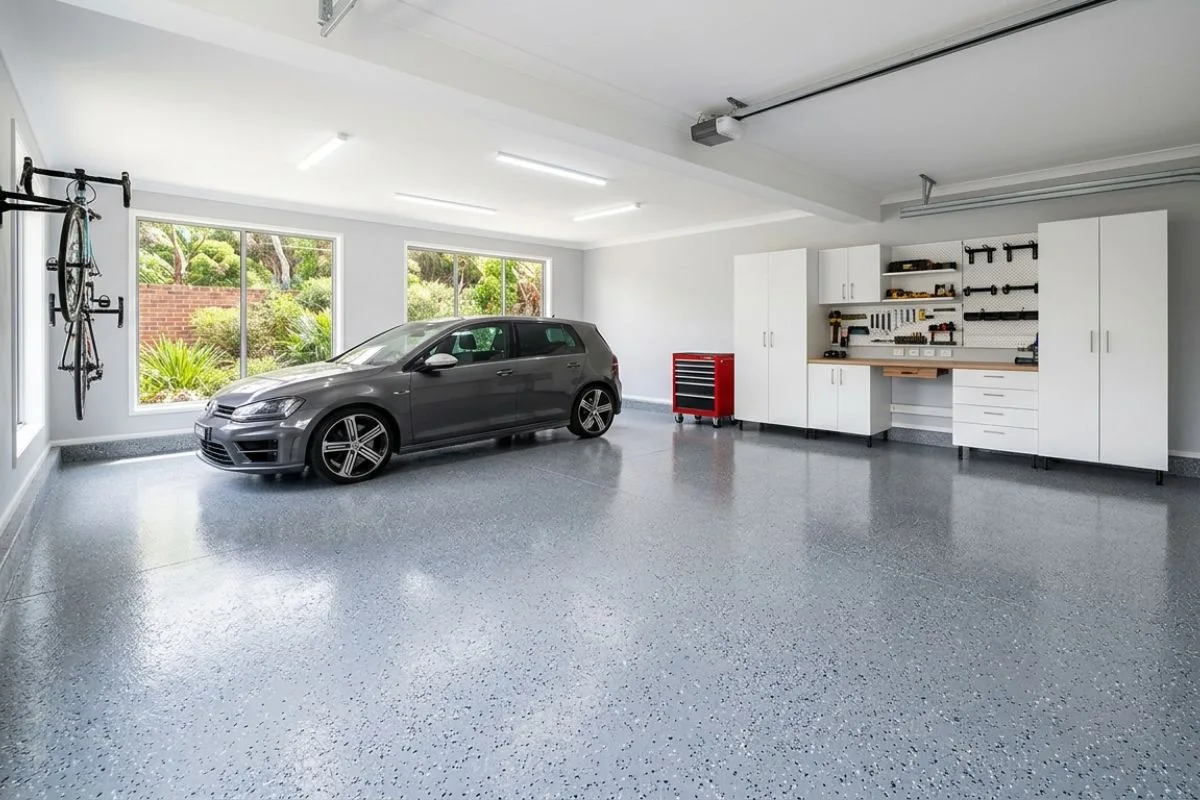
A standard garage can start feeling like an extension of the home rather than a purely functional storage area. I've seen homeowners use upgraded garages as workshops, home gyms, hobby spaces, and even entertainment areas.
That's a lot of value from a flooring upgrade.
Understanding 2 Car Garage Epoxy Cost
The first question most homeowners ask is simple: how much will it cost?
A typical two-car garage usually ranges between 400 and 600 square feet. The total project cost depends on several variables:
- Garage size
- Existing floor condition
- Surface preparation requirements
- Type of epoxy system used
- Decorative flakes or finishes
- Professional installation versus DIY application
For basic installations, costs tend to stay on the lower end. Premium systems that include extensive grinding, crack repairs, decorative finishes, and protective topcoats naturally cost more.
Here's what matters: surface preparation often has a bigger impact on performance than the coating itself.
Many failed epoxy floors aren't caused by bad epoxy. They're caused by poor preparation.
Save Money by Focusing on Preparation First
This may sound backwards, but spending a little money on preparation can prevent expensive repairs later.
If your garage floor has minor cracks, stains, or uneven areas, addressing them before coating is critical. Skipping this step might save money today, but it often leads to peeling, bubbling, or premature wear.
I've seen homeowners invest in quality coatings only to watch them fail because the concrete wasn't cleaned properly.
The funny part? The coating gets blamed even though the real problem started underneath.
A clean, dry, properly prepared surface creates the foundation for long-term performance.
DIY Epoxy: Is It Worth It?
A lot of homeowners consider DIY epoxy kits to reduce the overall 2 car garage epoxy cost.
Sometimes it works.
Sometimes it becomes a weekend project that turns into a month-long headache.
The biggest challenge isn't rolling the epoxy onto the floor. It's preparing the concrete correctly. Moisture testing, cleaning, repairing cracks, and creating the right surface profile require patience and attention to detail.
For someone comfortable with home improvement projects, DIY installation can provide savings.
However, professional installers usually have access to commercial-grade materials and equipment that produce more durable results. That often means better adhesion, longer lifespan, and fewer maintenance concerns.
Decorative Flakes Deliver Big Impact Without Huge Expense
One affordable upgrade that makes a noticeable difference is adding decorative flakes.
These small vinyl chips are blended into the epoxy system and create texture, depth, and visual interest. More importantly, they help disguise dirt, tire marks, and minor imperfections.
A plain gray floor can look clean.
A flake floor often looks professionally designed.
For many homeowners, decorative flakes offer one of the best appearance-to-cost ratios available.
Reduce Future Maintenance Costs
Here's something people rarely think about when comparing flooring options.
The cheapest floor isn't always the least expensive over time.
Bare concrete requires regular cleaning and often develops stains that become nearly impossible to remove. Small cracks can grow larger. Dust accumulation becomes a constant battle.
Epoxy simplifies maintenance considerably.
Oil spills wipe away more easily. Dirt doesn't penetrate the surface. Routine cleaning becomes faster and less frustrating.
Over several years, those maintenance savings add up.
Consider Partial Upgrades
Not every garage needs a showroom finish.
If you're working within a strict budget, focus on improvements that deliver the greatest impact.
For example:
- Repair visible cracks first
- Apply a quality base epoxy coating
- Add decorative flakes selectively
- Upgrade lighting to complement the new floor
- Improve storage systems alongside flooring improvements
Combining smaller upgrades often creates a bigger visual transformation than spending the entire budget in one area.
Long-Term Value Matters More Than Initial Cost
When evaluating 2 car garage epoxy cost, it's tempting to focus only on the upfront number.
I think that's a mistake.
A well-installed epoxy floor can last for many years while improving appearance, durability, and usability. It also helps protect the underlying concrete from damage caused by moisture, chemicals, and daily wear.
What I've noticed is that homeowners rarely regret upgrading a garage floor once it's finished. They usually wish they had done it sooner.
The garage suddenly feels cleaner. Brighter. More functional.
And because the space looks better, people tend to take better care of it.
Final Thoughts
Upgrading a double garage doesn't have to involve major construction or an overwhelming budget. Epoxy flooring remains one of the most practical ways to improve both appearance and durability without completely renovating the space.
The key is understanding where the money goes. Surface preparation, material quality, and proper installation all influence long-term performance. Whether you choose a DIY approach or hire professionals, making informed decisions can help maximize value while keeping costs under control.
At the end of the day, a garage floor isn't just concrete beneath your vehicles. It's the foundation of the entire space. Invest wisely, focus on quality where it counts, and you'll likely enjoy the results for years to come.