The guest post has a lot of content on the prime among the various pros about the advantage of getting care from a qualified dentist.
Sleep apnea can be more than snoring and is a severe sleep condition that can impact health, energy, and lifestyle. Patients may never be fully aware that their dentist has something to offer treatment for obstructive sleep apnea (OSA) – particularly in mild to moderate sleep apnea cases. The jaw, tongue, and airway position often coincide with the condition and as such dental professionals are well equipped to offer custom-made oral appliance therapy to ensure that the airway remains open all night. Selecting Sleep Apnea Treatment Fairfax offers patients a top choice for comfortable and more natural sleeping experiences, healthy gums, and an overall sense of wellness.
Understanding Sleep Apnea
Sleep apnea happens when breathing starts and stops a lot within sleep due to the obstruction of the airway. These interruptions decrease oxygen and the brain temporarily awakens the body to restore normal breathing. Many people think of sleep apnea when they think of sleep issues, however people suffering from sleep apnea may feel very drowsy during the day, get headaches, be irritated, inability to concentrate, and they can even have a high threat of developing heart condition, diabetes or hypertension. The most prevalent type is obstructive sleep apnea (OSA) caused by a condition in which muscles at the back of the throat collapse during sleep. Oral structures can be evaluated and solutions offered to make airflow improve on a natural level through the use of skills within sleep medicine.
Dentists Provide Customized Oral Appliance Therapy
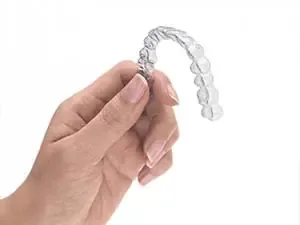
A major benefit of going to a dentist for sleep apnea treatment is the fact that they will be able to create an oral appliance. These types of devices are specially engineered to move the jaw and tongue downwards, which guarantees the airway remains open during sleep. Custom oral appliances are not available as an over-the-counter product, but rather use an accurate dental impression to form the appliance. Showing a perfect fit, it guarantees comfort, efficiency, and extended usage.
Patients often appreciate oral appliances because they are:
- Comfortable to wear
- Easy to clean
- Small and lightweight
- Quiet during sleep
- Convenient for travel
- Designed specifically for individual anatomy
Because the appliance fits perfectly, patients are more likely to use it consistently, leading to better treatment outcomes.
A Comfortable Alternative to CPAP Therapy
Continuous Positive Airway Pressure (CPAP) machines remain one of the most common treatments for moderate to severe sleep apnea. However, not every patient tolerates wearing a CPAP mask throughout the night.
Many individuals experience:
- Mask discomfort
- Air leakage
- Dry mouth
- Skin irritation
- Difficulty traveling with equipment
- Claustrophobic feelings
For patients with mild or moderate obstructive sleep apnea—or those unable to tolerate CPAP—a dentist may recommend oral appliance therapy as an effective alternative.
The compact design of oral appliances makes bedtime routines simpler while encouraging consistent nightly use.
Personalized Care Based on Your Oral Health
Dentists Invisalign Vienna VA understand how jaw alignment, bite position, teeth, gums, and oral structures influence breathing during sleep. Before recommending treatment, they perform a comprehensive examination to determine whether oral appliance therapy is appropriate.
During the evaluation, they may assess:
- Jaw positioning
- Airway anatomy
- Tongue placement
- Teeth alignment
- Existing dental restorations
- Gum health
- Signs of teeth grinding
This individualized approach allows treatment to address both sleep apnea symptoms and overall oral health needs.
Improved Sleep Without Surgery
Many patients prefer conservative treatment before considering surgical procedures. Dental sleep apnea therapy provides a non-invasive option that requires no hospitalization or lengthy recovery period.
Benefits of non-surgical treatment include:
- No surgical risks
- No recovery time
- Comfortable nightly use
- Easily adjustable appliances
- Reversible treatment
- Minimal lifestyle disruption
Because the appliance can be adjusted over time, dentists can fine-tune treatment for optimal comfort and airway support.
Better Overall Health and Daily Energy
Quality sleep affects nearly every system in the body. When sleep apnea is effectively managed, patients often notice improvements that extend far beyond bedtime.
Many individuals report:
- Better daytime alertness
- Improved concentration
- Reduced morning headaches
- Increased productivity
- Better mood stability
- Less daytime fatigue
- More restful sleep
Long-term treatment may also help lower health risks associated with untreated sleep apnea, including cardiovascular complications and metabolic disorders.
Ongoing Monitoring and Long-Term Support
Sleep apnea treatment is not a one-time solution. As patients age or experience weight changes, their treatment needs may evolve. Dentists providing sleep apnea therapy schedule regular follow-up visits to ensure oral appliances continue fitting properly and functioning effectively.
Routine monitoring allows dentists to:
- Check appliance fit
- Make necessary adjustments
- Monitor bite changes
- Evaluate treatment effectiveness
- Replace worn appliances
- Address patient concerns promptly
Regular follow-up care helps maintain both comfort and long-term success.
Convenient Treatment That Fits Modern Lifestyles
Busy professionals, frequent travelers, and active individuals often prefer oral appliances because they fit seamlessly into daily life.
Unlike bulky sleep equipment, oral appliances:
- Fit inside a small protective case
- Require no electricity
- Produce no noise
- Are easy to transport
- Take only seconds to insert before bedtime
This convenience encourages better compliance, which is one of the most important factors in successful sleep apnea treatment.
Collaboration with Sleep Physicians
Qualified Invisalign Arlington VA who treat teeth frequently work alongside sleep physicians, primary care doctors, and other healthcare providers. Diagnosis typically begins with a sleep study ordered by a physician, after which the dentist creates an oral appliance based on the patient's diagnosis and treatment plan.
This collaborative approach ensures patients receive comprehensive care while addressing both medical and dental aspects of sleep apnea.
Conclusion
Choosing a dentist for sleep apnea treatment offers patients a comfortable, customized, and non-invasive solution for managing obstructive sleep apnea. Through expertly designed oral appliances, personalized evaluations, and ongoing care, dentists help improve sleep quality while supporting long-term health. For many patients—especially those who struggle with CPAP therapy—dental treatment provides an effective way to breathe easier, sleep better, and wake up feeling refreshed. Consulting a qualified dental professional is an important step toward achieving healthier sleep and improving overall quality of life.
FAQs
Can a dentist treat sleep apnea?
Yes. Dentists trained in dental sleep medicine provide custom oral appliance therapy for patients with mild to moderate obstructive sleep apnea or those who cannot tolerate CPAP therapy.
What is an oral appliance for sleep apnea?
An oral appliance is a custom-made dental device worn during sleep that gently repositions the jaw or tongue to help keep the airway open.
Is oral appliance therapy comfortable?
Most patients find custom-fitted oral appliances comfortable after a short adjustment period because they are designed specifically for their mouth.
Do I need a sleep study before getting treatment?
Yes. A physician typically diagnoses sleep apnea through a sleep study before recommending appropriate treatment, including dental oral appliance therapy.
How long does a sleep apnea oral appliance last?
With proper care and regular dental checkups, a custom oral appliance can last several years, although replacement timelines vary depending on wear and individual use.