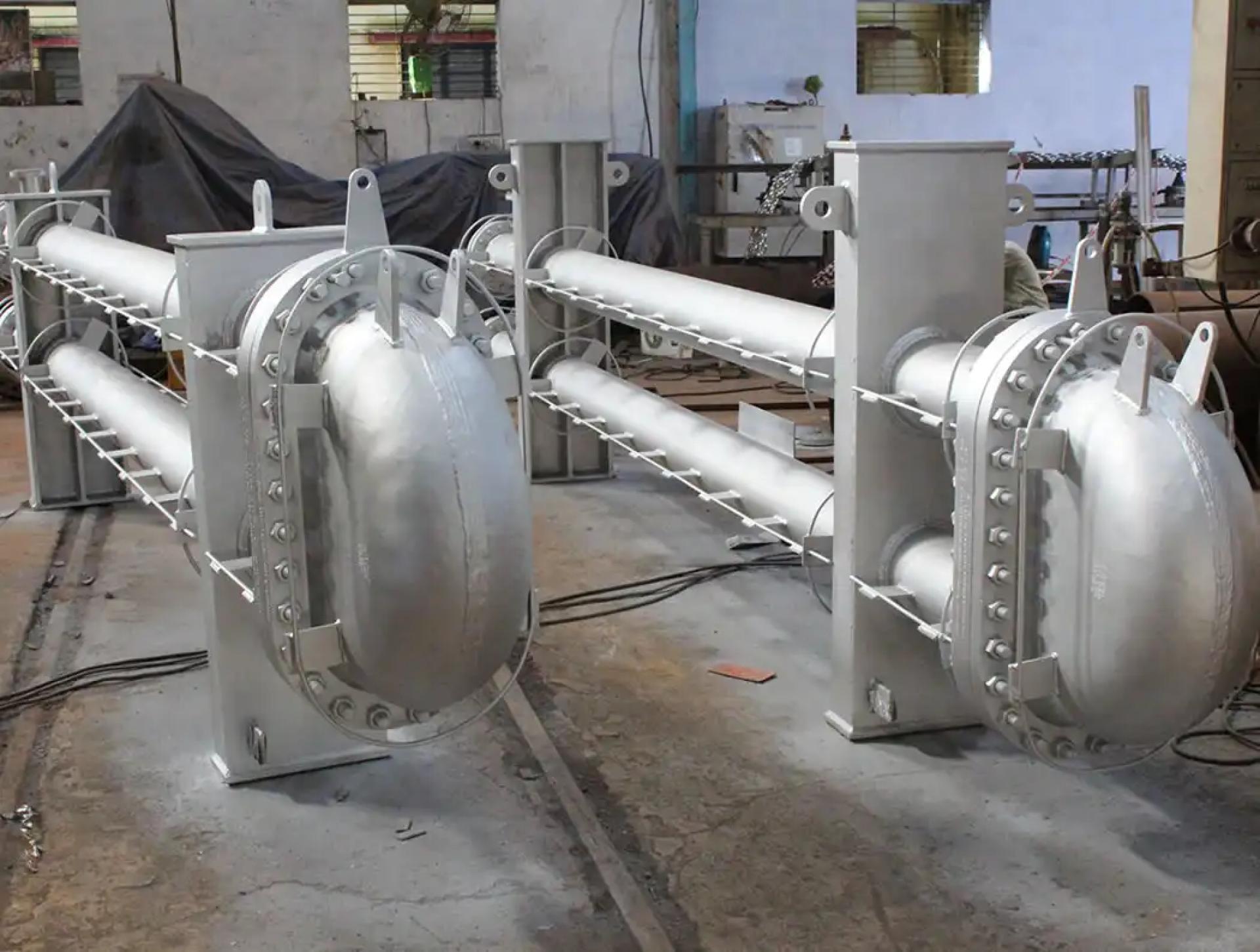
Among the various heat exchanger configurations available to thermal masterminds and artificial installations, the double pipe heat exchanger stands out as one of the simplest, most protean, and frequently most cost-effective designs for specific operations despite lacking the complication of shell- and- tube arrangements or the conciseness of plate configurations. This abecedarian design consists of one pipe or tube concentrically deposited inside another larger pipe, creating an annular space through which one fluid flows while the other passes through the inner tube, establishing true curve inflow that maximizes thermal effectiveness. While double pipe heat exchangers may feel primitive compared to more complex druthers, they offer distinct advantages including exceptional inflexibility, ease of conservation, felicity for high- pressure operations, scalability through series/ resemblant arrangements, and profitable benefits for low- to-moderate thermal duties. Understanding when and why double pipe configurations outperform druthers requires examining their specific strengths — true curve inflow effectiveness, simple construction and conservation, pressure and temperature capabilities, cleanliness and inspectability, and modular expandability — that make them optimal choices for particular artificial operations. This comprehensive analysis reveals why this classic design remains applicable and extensively specified despite decades of heat exchanger invention producing further fantastic druthers.
True Curve Flow and Thermal Effectiveness
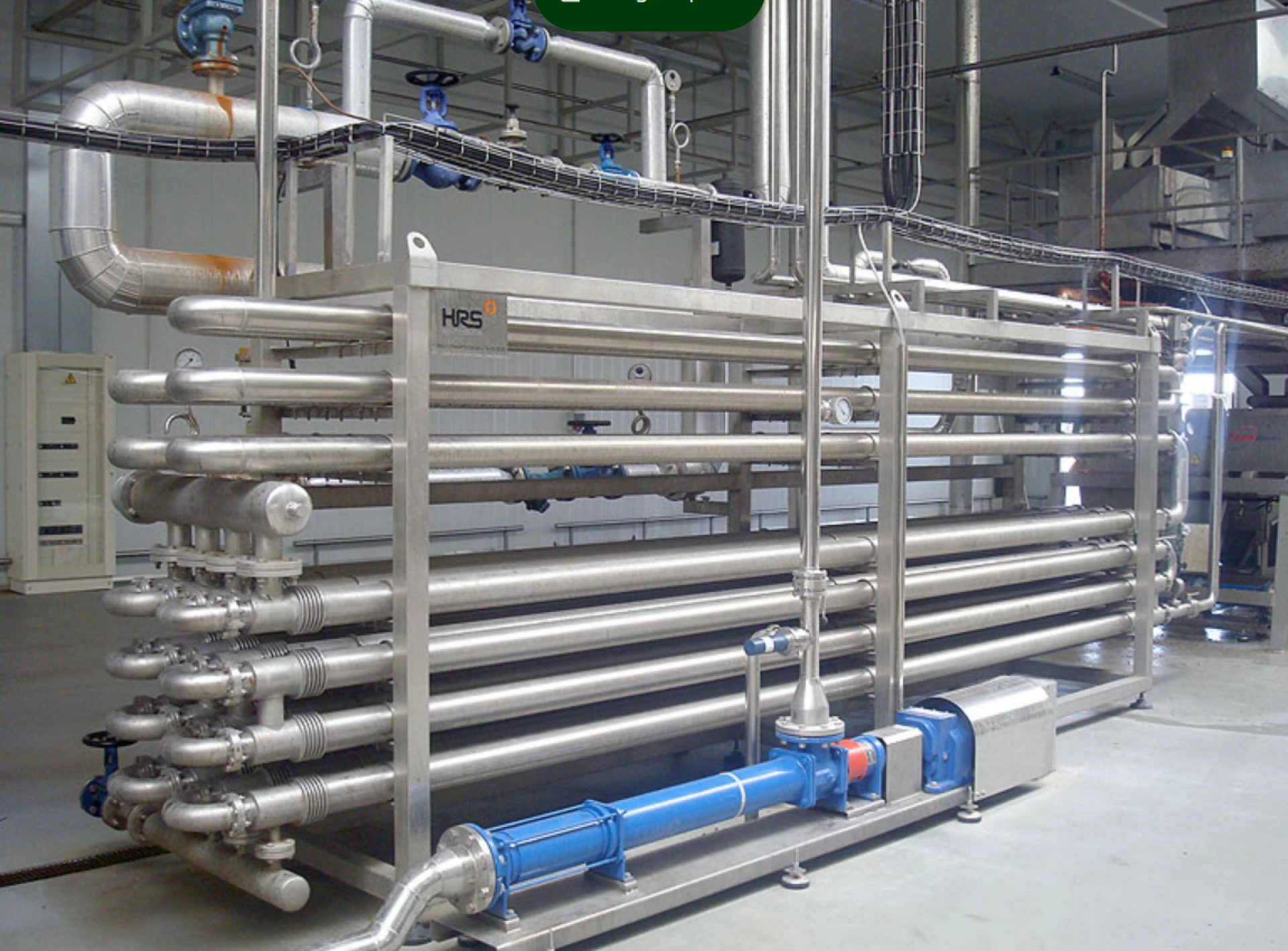
The primary thermodynamic advantage of double pipe heat exchangers is their capability to achieve true curve inflow where hot and cold fluids move in exactly contrary directions throughout their entire contact length. This inflow arrangement provides the maximum possible temperature driving force at every point along the heat transfer face, enabling near temperature approaches between outlet aqueducts and superior thermal effectiveness compared tocross-flow or resemblant- inflow configurations. In curve operation, the cold fluid's outlet can approach veritably close to the hot fluid's bay temperature, and vice versa — commodity insolvable with parallel inflow where both fluids flow in the same direction. This thermal advantage means double pipe heat exchangers can achieve needed thermal duties with lower face areas, shorter lengths, or smaller resemblant units than indispensable configurations with less effective inflow arrangements. For operations taking tight temperature approaches hotting a process sluice to within a many degrees of another sluice's temperature — the curve inflow of double pipe designs frequently proves essential. The thermodynamic effectiveness translates directly into profitable benefits through reduced outfit size and energy consumption compared to less effective inflow patterns.
Simplicity of Construction and Low Cost for Small Duties
For low- to-moderate thermal duties, double pipe heat exchangers offer unmatched construction simplicity and profitable advantages. The design requires no complex shell fabrication, no cocoon installation, no tube distance drilling, no intricate tube pack assembly — just two pipes, applicable fittings, and connections. This simplicity dramatically reduces manufacturing costs compared to shell- and- tube designs taking expansive fabrication and assembly labor. Standard pipe and fittings can frequently be used, further reducing costs and delivery times compared to custom- fabricated druthers. The straightforward construction also means shorter lead times — twice pipe exchangers can frequently be fabricated in days rather than the weeks or months needed for complex shell- and- tube units. For small thermal duties where a single double pipe section suffices, this design order frequently represents the most provident choice by significant perimeters. The cost advantage diminishes for larger duties taking multiple resemblant units where shell- and- tube designs' frugality of scale becomes favorable, but for duties below roughly 1 million BTU/ hr, double pipe configurations constantly offer superior cost- effectiveness.
High Pressure and Temperature Capabilities
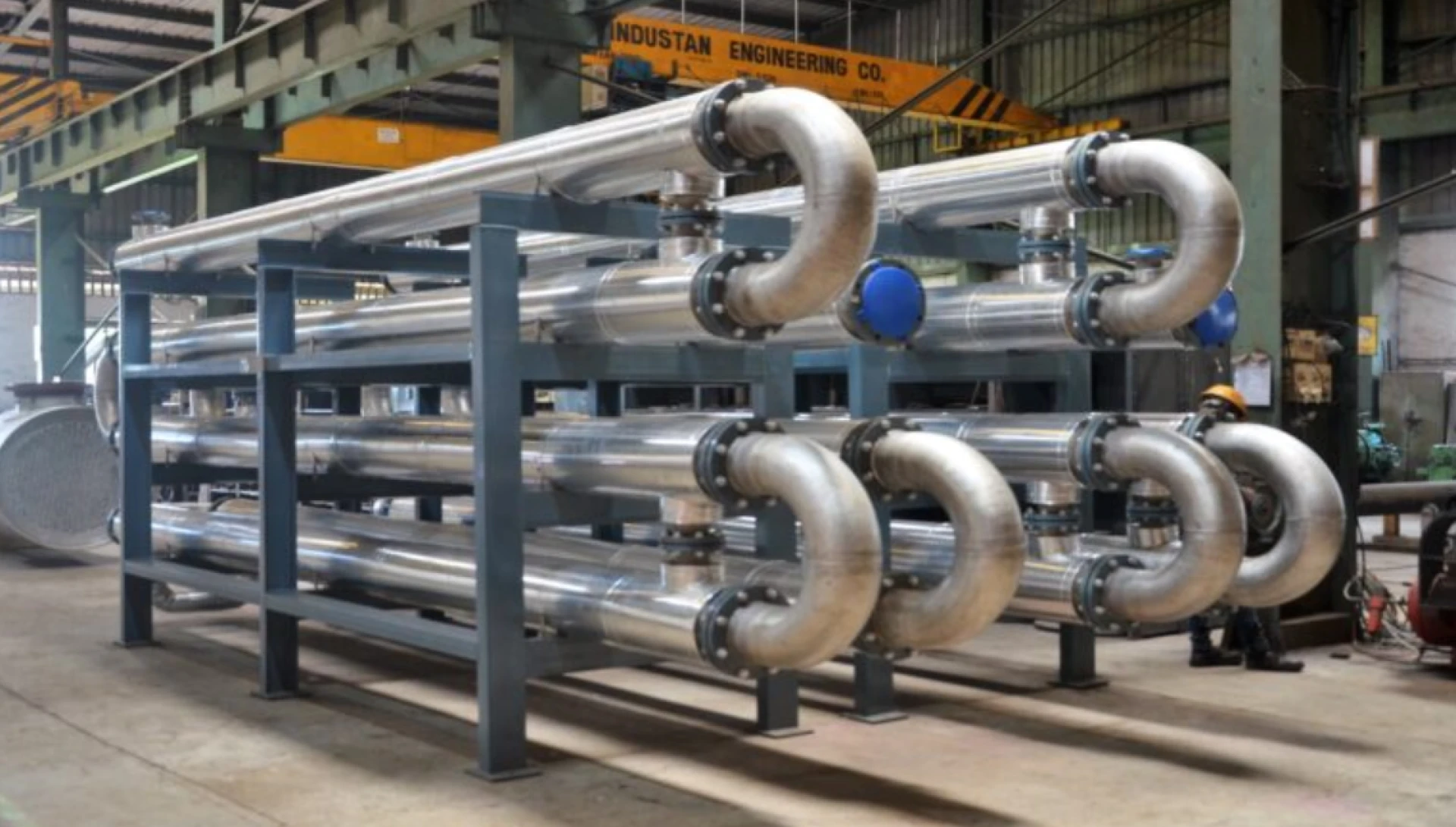
The simple tubular construction of double pipe heat exchangers provides exceptional pressure and temperature running capabilities. Both the inner tube and external pipe are spherical pressure vessels geometrically ideal shapes for containing internal pressure — allowing high working pressures without fantastic accoutrements or heavy wall density. Double pipe designs routinely handle pressures exceeding 1000 PSI, with some configurations operating at several thousand PSI using standard pipe schedules. Temperature capabilities also extend across wide ranges from cryogenic to high- temperature services, limited primarily by material selection rather than geometric constraints. The absence of tube wastes which produce grueling thermal expansion and sealing issues in shell- and- tube designs eliminates one failure mode and simplifies high- temperature design. For operations combining high pressures with high temperatures, double pipe configurations frequently prove more practical and provident than druthers taking complex expansion joints, floating heads, or other features accommodating thermal growth. The robust construction and absence of vulnerable factors like gaskets, thin plates, or complex sealing arrangements enhance trustability in extreme condition operations.
Superior Maintainability and Ease of drawing
Conservation availability represents another significant advantage of double pipe heat exchangers. The simple construction allows complete disassembly for examination and cleaning using introductory tools without technical outfit or expansive labor. The inner tube can be withdrawn from the external pipe, furnishing direct access to both heat transfer shells for mechanical cleaning, examination, or form. This availability proves particularly precious in fouling operations where regular cleaning maintains performance — drivers can mechanically clean shells completely rather than counting solely on chemical cleaning that may be less effective or bear extended contact times. The capability to visually check all heat transfer shells after disassembly provides assurance about outfit condition and remaining service life insolvable with designs where interior shells remain hidden.However, relief is straightforward and provident compared to tube pack form or relief in shell- and- tube configurations, If the inner tube develops leaks or damage. This conservation simplicity reduces both planned conservation costs and unplanned form charges throughout outfit lifecycles.
Inflexibility and Scalability Through Series and resemblant Arrangements
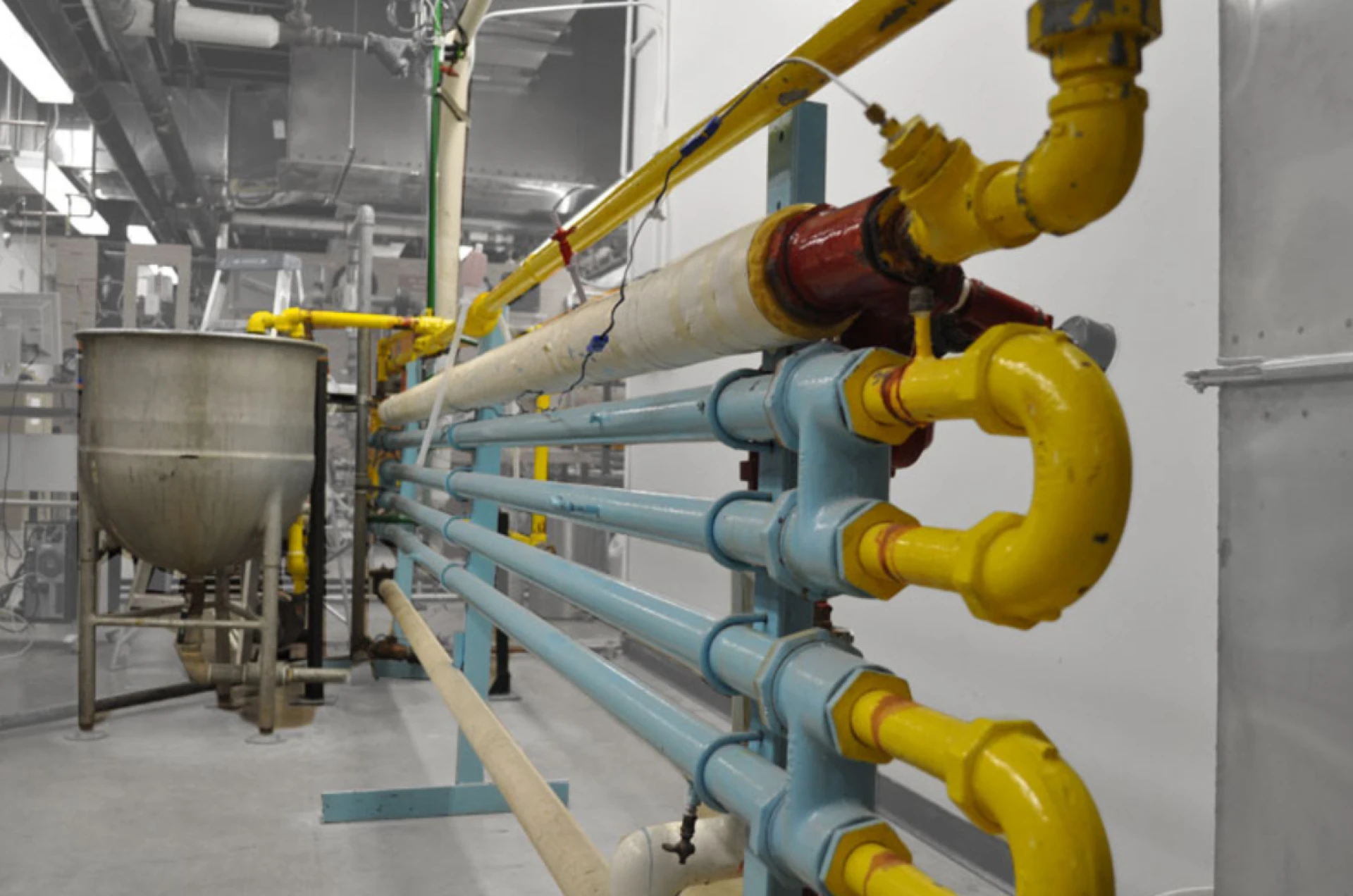
Double pipe heat exchangers offer exceptional inflexibility through modular arrangements in series for increased thermal duty or in parallel for lesser inflow capacity. Series arrangements connecting multiple sections end- to- end — extend effective heat transfer length, achieving advanced thermal effectiveness or handling larger temperature changes. resemblant arrangements — running multiple sections contemporaneously — increase inflow capacity without inordinate pressure drop. This modularity allows capacity expansion by simply adding sections rather than replacing entire units, supporting phased installation growth or process variations. The capability to insulate individual sections for conservation while others remain functional provides functional inflexibility precious in nonstop processes. Different sections can use different accoutrements matched to original temperature or erosion conditions — for illustration, using pristine sword in hot sections and carbon sword where temperatures allow. This inflexibility to customize and expand configurations without noncommercial outfit relief provides profitable and functional advantages throughout installation lifecycles as conditions evolve.
Ideal Applications for Double Pipe Configurations
Double pipe heat exchangers exceed in specific operation scripts. Small thermal duties where their profitable advantages and simplicity overweigh shell- and- tube or plate druthers represent their sweet spot. High- pressure services where spherical construction provides essential strength make them natural choices. Fouling operations profit from their cleanability and inspectability. operations taking true curve inflow for tight temperature approaches favor this design. Situations demanding inflexibility — airman shops, exploration installations, processes with changing conditions — benefit from modular expandability. sharp services occasionally favor double pipe designs because the limited bathe face area requires lower fantastic material than large shell- and- tube units. Temporary or mobile installations appreciate the simple, robust construction and ease of assembly/ disassembly. Understanding these ideal operations helps masterminds specify double pipe heat exchangers where their advantages align with conditions rather than defaulting to more common configurations.
Exploring Alternative Technologies for Specific Requirements
While double pipe heat exchangers serve numerous operations admirably, certain scripts favor indispensable technologies. veritably large thermal duties frequently make shell- and- tube designs more provident through their superior face area viscosity. Gas- to- liquid operations, particularly air cooling, generally profit from finned configurations that enhance heat transfer on the gas side. Air cooled heat exchangers with extended fin shells give extensively superior performance when cooling process fluids with ambient air compared to double pipe arrangements. For these technical cooling operations, finagled air- cooled systems deliver effectiveness and economics that simple tubular designs can not match. Kinetic Engineering offers comprehensive air- cooled heat exchanger results optimized for artificial cooling conditions where air serves as the cooling medium.
Conclusion
Double pipe heat exchangers remain applicable and extensively specified despite their introductory design because they deliver specific advantages — true curve inflow effectiveness, construction simplicity, high pressure/ temperature capabilities, superior maintainability, and modular inflexibility — that make them optimal choices for particular operations. Their straightforward design should not be incorrect for inferiority; rather, it represents elegant simplicity that serves numerous artificial thermal operation needs more effectively and economically than more complex druthers. The key to proper heat exchanger selection is matching technology to conditions rather than assuming complication equals superiority or that newer designs obsolete proven configurations. For operations where double pipe advantages align with conditions — moderate duties, high pressures, fouling tendencies, need for inflexibility, or tight temperature approaches this classic design delivers outstanding performance and value. Understanding when and why to specify double pipe configurations versus druthers ensures optimal outfit selection that provides needed performance at the smallest total lifecycle cost.