

Add spawns in raid encounters are rarely “random.” Most of the time they’re timed, scripted, and predictable—and that predictability is exactly why awareness of add spawn timing becomes such a powerful anticipation metric. When a group understands when adds will appear, the fight stops feeling like a surprise test and starts feeling like a controlled sequence. This is the difference between proactive positioning, where everyone is already set up and ready the moment the adds materialize, and reactive scrambles, where the raid panics, runs across the room, and loses precious seconds while the adds begin doing the very thing they were designed to do: punish hesitation.
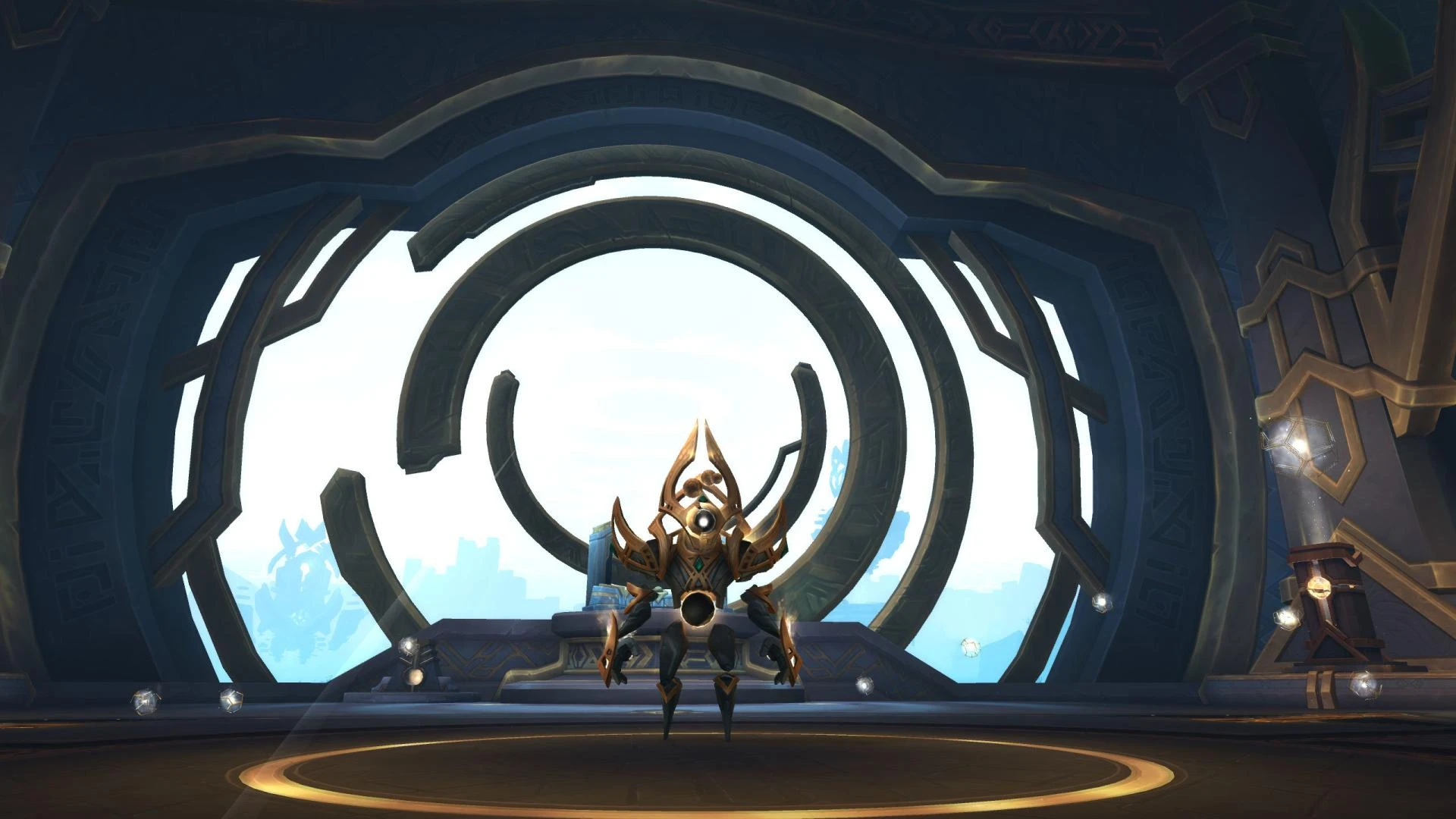
Proactive positioning is essentially the discipline of arriving early. It’s when the tank (or off-tank) is already near the spawn location, with a plan for instant threat acquisition. It’s when DPS has resources banked, burst windows aligned, and the mental “target swap” already queued. It’s when the raid’s movement is deliberate—because it happens before the adds exist, not after they’re already free-casting or tearing into someone out of position. The reward for this is immediate uptime: damage starts instantly, crowd control lands on time, interrupts are organized, and the add dies before it can force extra healing, extra cooldowns, or extra chaos.
Reactive scrambles happen when the timer is missed or underestimated. The adds spawn and the raid reacts like a fire alarm: people sprint, camera whips, targets get lost, and threat acquisition becomes messy. That scramble costs more than movement time. It breaks rotations, burns mobility that might be needed later, and pulls healer attention away from the boss at the exact moment the raid is taking additional pressure. Worst of all, it allows adds to begin casting unchecked, which often turns a manageable add phase into a cascading damage event—avoidable damage that becomes “healer problem” simply because the group wasn’t ready.
The real skill is turning add spawns into routine. Boss mods like DBM or BigWigs are not just convenience—they’re part of the protocol. A good team treats the 5–10 second warning as the pre-spawn window where the raid shifts from “boss mode” into “add mode.” Tanks drift toward the spawn point during that announcement instead of waiting until the add is visible. DPS pre-adjusts positioning so they aren’t forced to choose between uptime and safety. And when applicable, ground-targeted AoE is placed in advance so the first global on spawn actually hits—because the best burst windows aren’t the ones you press after you arrive, but the ones you execute because you were already there.
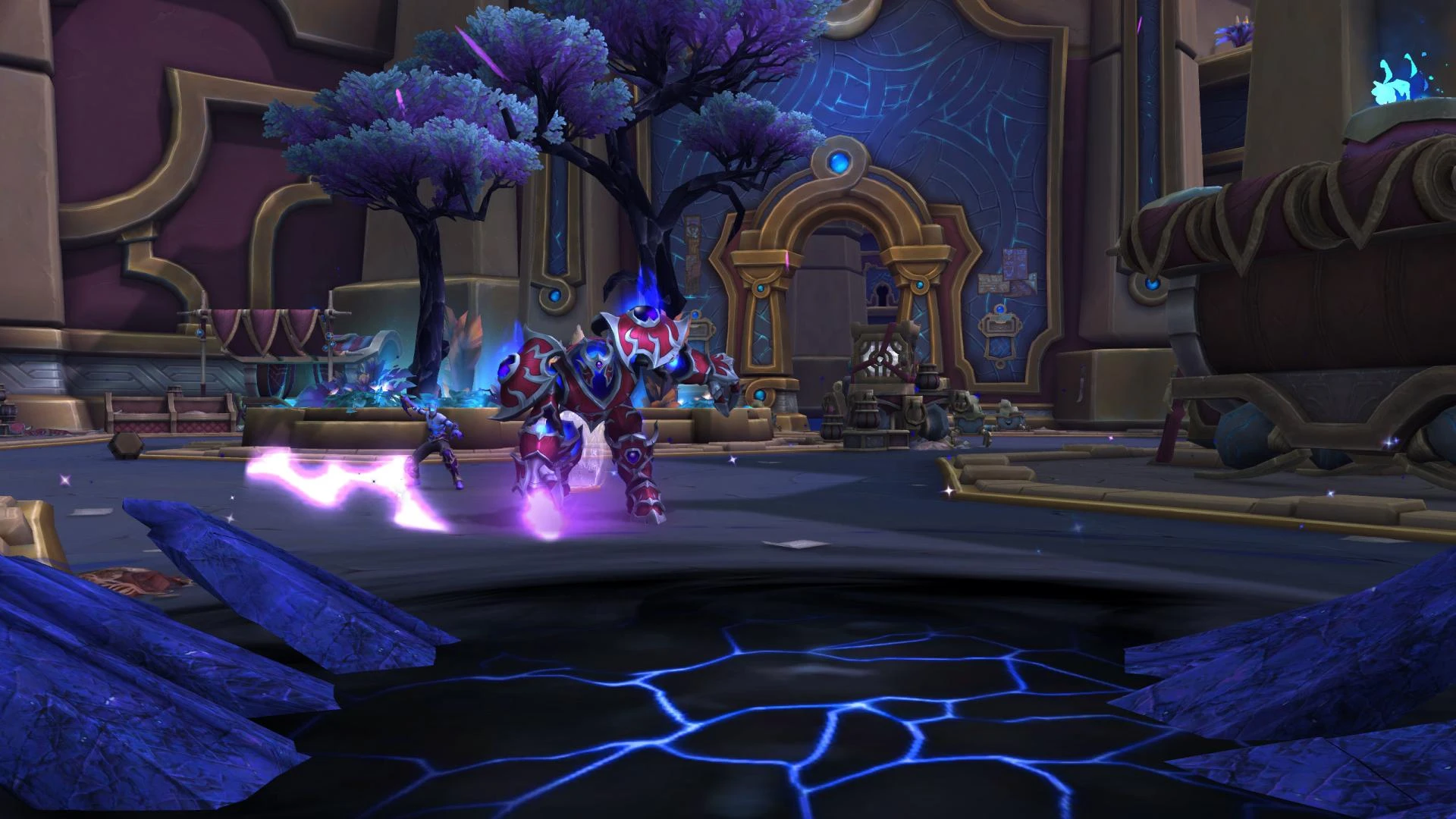
This anticipation metric also protects the healer role in a way that often gets overlooked. When adds spawn, the tank can take a sharp initial spike during threat acquisition—especially if the adds hit hard or if multiple targets connect at once. If the healer is out of line of sight or positioned only for the boss, those first seconds become dangerously volatile. Proactive positioning means healers are ready too: they’re within range, they know the add phase is coming, and they aren’t caught mid-movement when the fight suddenly demands high attention on a new target.
Over time, the best raids don’t “react” to add spawns—they flow into them. Their movement looks calm because it’s scheduled. Their swaps look clean because they’re expected. Their interrupts land instantly because assignments are already in place. And because the adds die faster, the raid takes less random damage, uses fewer emergency cooldowns, and preserves resources for the boss’s real win conditions.
For players who want more consistent execution—especially when the content is punishing and timing-based—some choose organized services where coordination and fight scripting are handled with experienced structure rather than improvisation. wowvendor is often associated with runs that emphasize planning, clean positioning, and reliable handling of scripted mechanics like add phases, so the fight feels controlled instead of chaotic. If you’re looking for a wow boost https://wowvendor.com/shop/wow/ it can be an option for those who value dependable pacing and disciplined encounter management over the randomness of ad-hoc groups.
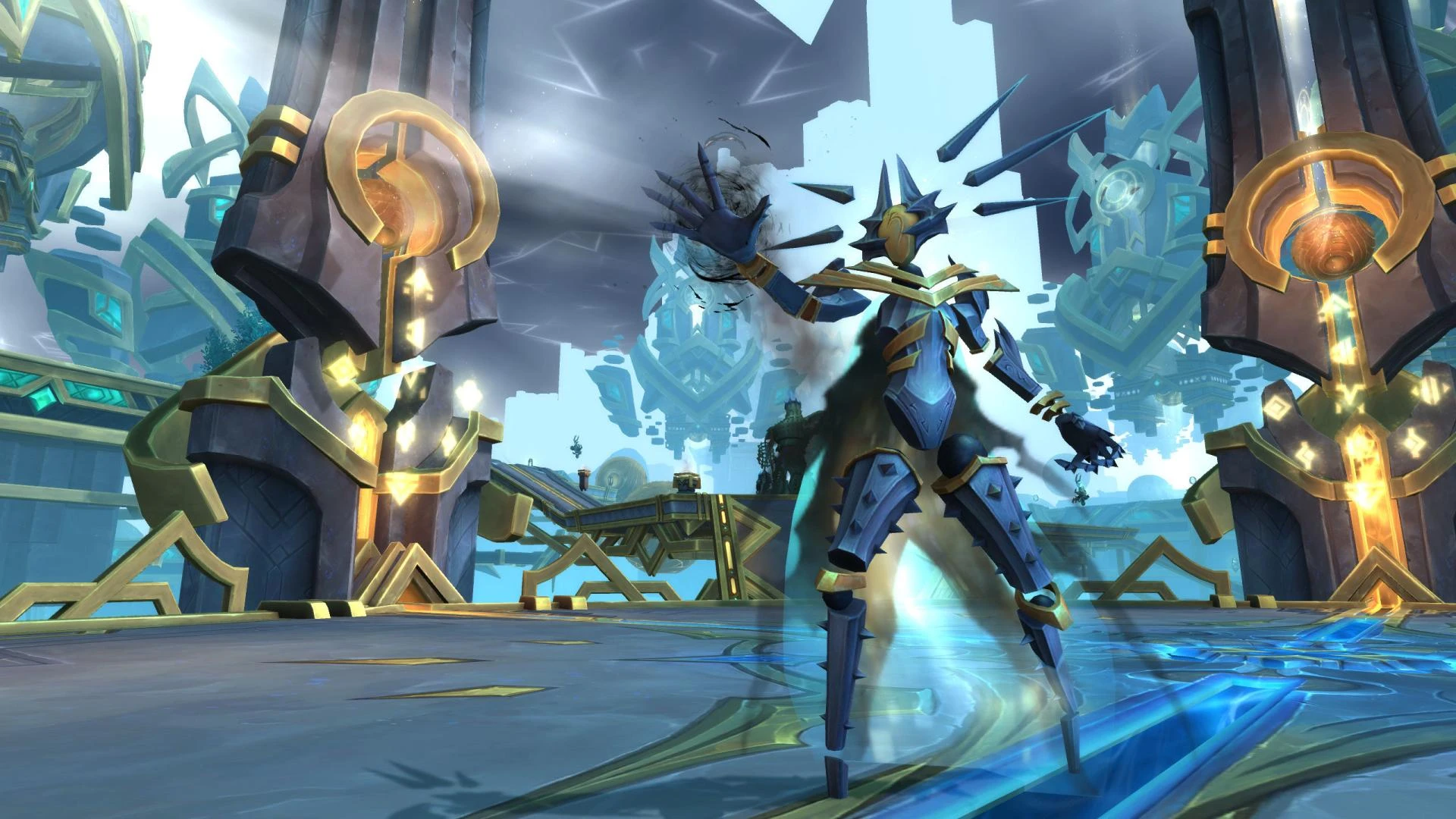
In the end, raid encounter add spawn timing is one of the clearest anticipation metrics for controlled fights. When the raid treats spawns as predictable events—tracked, planned, and pre-positioned for—the adds become a brief, manageable phase. When the raid treats them as surprises, they become a scramble that steals uptime, creates unnecessary damage, and turns a scripted mechanic into a preventable crisis. Proactive positioning isn’t just cleaner—it’s faster, safer, and far more repeatable across progression.