
Acne may disappear over time, but the marks it leaves behind can continue to affect your skin’s appearance and confidence. Whether you have shallow indentations, deep pitted scars, or uneven skin texture, modern dermatology offers advanced options to improve your complexion. If you are searching for Acne Scar Treatment in Singapore, understanding the available procedures and choosing a personalised treatment plan can help you achieve noticeable, long-lasting results.
Why Do Acne Scars Develop?
Acne scars form when inflamed breakouts damage the deeper layers of the skin. During the healing process, the body may produce too little or too much collagen, resulting in permanent textural changes. The severity of scarring often depends on factors such as the type of acne, delayed treatment, skin type, and individual healing response.
Common scar types include:
Ice pick scars
Boxcar scars
Rolling scars
Hypertrophic or raised scars
Post-inflammatory pigmentation that remains after acne heals
Each scar type requires a different treatment strategy for optimal improvement.
Benefits of Professional Acne Scar Treatment
Professional skin treatments go beyond over-the-counter creams by targeting scar tissue beneath the skin's surface. A customised treatment plan may help:
Improve skin texture and smoothness
Stimulate natural collagen production
Reduce the appearance of deep scars
Even out skin tone
Minimise enlarged pores
Enhance overall skin quality
Because every patient has unique skin concerns, treatment is usually tailored according to scar depth, skin sensitivity, and desired outcomes.
Popular Options for Acne Scar Treatment in Singapore
Several clinically proven procedures are available to address different forms of acne scarring. A dermatologist or aesthetic physician will recommend the most appropriate combination after evaluating your skin.
Fractional Laser Resurfacing
Fractional laser technology creates controlled micro-injuries within the skin, encouraging collagen regeneration while leaving surrounding tissue intact. This approach helps soften acne scars, refine skin texture, and improve overall skin clarity over multiple sessions.
Microneedling Therapy
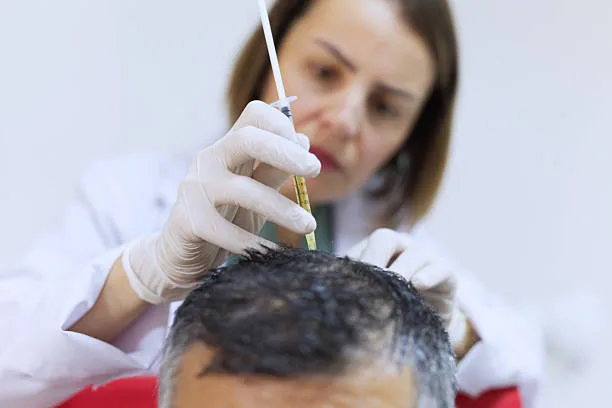
Microneedling uses fine needles to create tiny channels within the skin. These controlled injuries activate the body's natural healing process and promote collagen production, gradually reducing the visibility of acne scars with minimal downtime.
Radiofrequency Microneedling
By combining microneedling with radiofrequency energy, this treatment penetrates deeper skin layers for enhanced collagen remodeling. It is particularly suitable for patients with moderate acne scars who want effective skin rejuvenation.
Chemical Peels
Medical-grade chemical peels exfoliate damaged surface layers and encourage healthier skin regeneration. While milder scars and pigmentation respond well to peels, they are often combined with other treatments for more significant textural improvement.
Dermal Fillers
Certain depressed acne scars respond well to dermal fillers, which temporarily lift sunken areas and create a smoother skin surface. Results are immediate, although maintenance treatments may be required.
Subcision
Subcision is a minor procedure designed for rolling scars. A specialised needle releases the fibrous bands pulling the scar downward, allowing the skin to elevate naturally while encouraging new collagen formation.
Which Treatment Is Best?
There is no universal solution for acne scarring. The ideal treatment depends on several factors, including:
Scar type and severity
Skin tone
Active acne condition
Age and collagen production
Lifestyle and recovery expectations
Many specialists recommend combining multiple procedures to achieve more comprehensive skin improvement than a single treatment alone.
What to Expect During Treatment
A consultation typically begins with a detailed skin assessment. Your doctor will identify the type of scarring, review your medical history, and discuss realistic expectations before creating a personalised treatment plan.
Depending on the chosen procedure, sessions generally last between 30 and 90 minutes. Some treatments require topical anaesthesia to maximise comfort, while others involve little to no downtime.
Visible improvement develops gradually as collagen rebuilds beneath the skin. Most patients require several treatment sessions for optimal results.
Recovery and Aftercare
Following treatment, proper aftercare plays a key role in achieving the best possible outcome.
Important aftercare recommendations include:
Apply sunscreen daily to protect healing skin.
Keep the treated area moisturised.
Avoid excessive sun exposure.
Follow your doctor's skincare instructions carefully.
Avoid picking or scratching healing skin.
Maintaining a consistent skincare routine also helps preserve treatment results over time.
Who Is a Suitable Candidate?
Individuals with stable acne and noticeable scarring are often good candidates for professional treatment. Those experiencing ongoing breakouts may first require acne management before scar-focused procedures begin.
Patients with realistic expectations and commitment to completing the recommended treatment sessions generally experience the most satisfying improvements.
Choosing the Right Clinic
When considering Acne Scar Treatment in Singapore, selecting an experienced clinic is just as important as choosing the treatment itself. Look for providers that offer comprehensive skin assessments, modern treatment technologies, customised care plans, and experienced medical professionals who understand different skin types.
A personalised approach helps maximise safety while delivering natural-looking skin improvement.
Final Thoughts
Acne scars do not have to be permanent. Advances in aesthetic medicine provide a wide range of solutions that can significantly improve skin texture, reduce visible scarring, and restore confidence. By choosing professional Acne Scar Treatment in Singapore, patients can benefit from customised therapies designed to address their unique skin concerns and achieve smoother, healthier-looking skin over time.