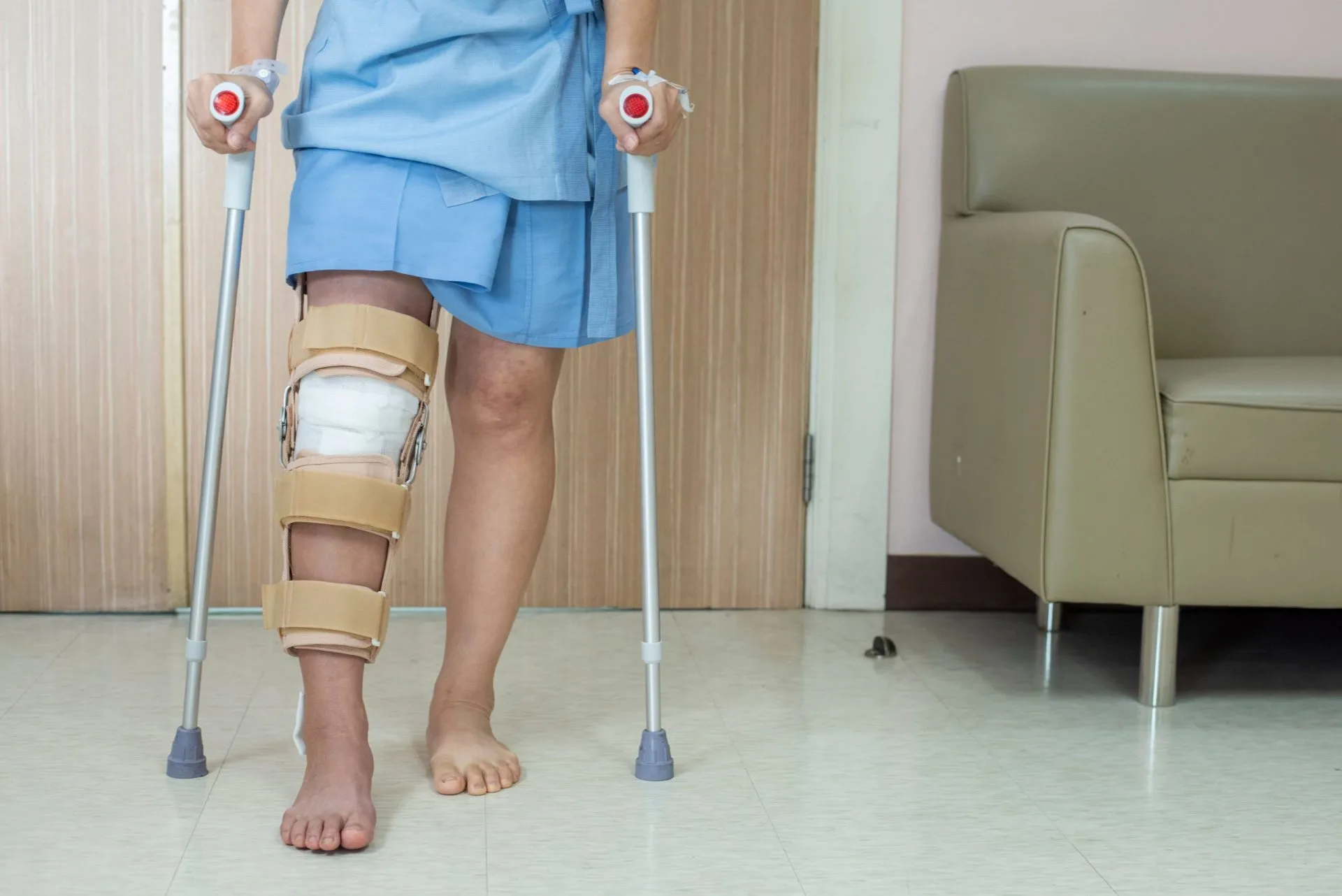
An anterior cruciate ligament (ACL) injury can significantly affect mobility, athletic performance, and confidence during everyday movement. Whether an ACL problem develops during football, basketball, tennis, skiing, running, or another physically demanding activity, appropriate rehabilitation can play an important role in restoring strength, stability, coordination, and functional movement.
Choosing suitable Acl Injury Treatment Dubai can help individuals follow a structured rehabilitation pathway based on their injury, physical condition, lifestyle, and personal goals. Physiotherapy may be recommended as part of rehabilitation following an ACL injury, including after surgical procedures or when an individual is following a non-surgical management plan.
At Vitruvian Italian Physiotherapy Center, rehabilitation can be tailored to the individual's functional requirements. The focus can include restoring knee mobility, rebuilding lower-limb strength, improving balance and coordination, and progressively preparing the person to return to everyday activities or sport.
Understanding the ACL
The anterior cruciate ligament is one of the major ligaments within the knee. It helps provide stability during movements that involve turning, pivoting, accelerating, and changing direction.
ACL injuries are frequently associated with activities that involve sudden stops, rapid changes in direction, jumping, and landing. A person may experience an ACL injury during sports or other physical activities.
The severity and nature of an ACL injury can vary considerably. Some individuals may require surgical reconstruction, while others may be managed with structured rehabilitation depending on their circumstances and clinical assessment.
Common Signs of an ACL Injury
Symptoms can vary depending on the injury and whether other knee structures are involved. Commonly reported symptoms can include:
- Knee pain following an injury
- Swelling around the knee
- Difficulty fully bending or straightening the knee
- Reduced confidence while walking
- A feeling of instability
- Difficulty with turning or changing direction
- Reduced strength in the affected leg
- Difficulty returning to previous sporting activities
A healthcare professional can perform an appropriate assessment to determine the nature of the knee problem and recommend the next steps.
Why Early Rehabilitation Matters
After an ACL injury, maintaining appropriate movement and physical capacity can be an important part of the rehabilitation process. Reduced activity may lead to stiffness and weakness, particularly around the quadriceps, hamstrings, gluteal muscles, and other muscles supporting the lower limb.
A structured physiotherapy program can help address these limitations progressively.
Rehabilitation may focus on:
- Restoring knee movement
- Managing swelling
- Rebuilding muscle strength
- Improving balance
- Developing movement control
- Increasing functional capacity
- Preparing for everyday activities
- Progressing toward sport-specific movements
The exact rehabilitation pathway should be based on the individual's clinical situation.
Comprehensive ACL Assessment
An individualized rehabilitation program begins with a detailed assessment. A physiotherapist may review the individual's injury history, previous activity level, current symptoms, treatment history, and personal goals.
The physical assessment may examine:
- Knee range of motion
- Lower-limb strength
- Muscle activation
- Balance
- Walking mechanics
- Movement control
- Functional abilities
- Ability to perform specific exercises
The findings can help the physiotherapist establish suitable rehabilitation goals and determine how exercises should progress.
ACL Rehabilitation Before Surgery
For individuals who are scheduled for ACL reconstruction, physiotherapy before surgery may be recommended. This phase is often called prehabilitation.
The purpose is to help the knee achieve as much appropriate mobility and strength as possible before the procedure.
Pre-surgical rehabilitation may include:
- Knee mobility exercises
- Quadriceps strengthening
- Hamstring strengthening
- Hip strengthening
- Balance exercises
- Walking practice
- Functional strengthening
A stronger and more mobile knee can provide a better foundation for the rehabilitation period following surgery.
ACL Rehabilitation After Surgery
Following ACL reconstruction, rehabilitation typically progresses through different stages. The program should be individualized according to the surgical procedure, healing progress, physical findings, and recommendations from the treating medical team.
Early rehabilitation may concentrate on restoring knee movement, improving muscle activation, and gradually rebuilding functional strength.
As rehabilitation progresses, exercises can become more challenging and may include resistance training, balance exercises, single-leg movements, controlled jumping, and sport-specific drills where appropriate.
Restoring Knee Mobility
Limited knee movement is common following an ACL injury or surgery. Regaining appropriate mobility is an important part of rehabilitation.
Physiotherapy may incorporate controlled exercises designed to improve knee flexion and extension. The exercises can be adjusted according to the individual's current movement capacity.
Restoring functional movement can help with activities such as walking, sitting, standing, climbing stairs, and eventually participating in exercise.
Rebuilding Quadriceps Strength
The quadriceps muscles can become weaker following an ACL injury, particularly after surgery or periods of reduced activity.
Strengthening these muscles is an important part of rehabilitation because they contribute to knee movement and lower-limb function.
Exercises may begin with simple muscle activation and gradually progress toward:
- Straight-leg exercises
- Resistance exercises
- Squats
- Step exercises
- Leg press movements
- Single-leg strengthening
- Functional lower-limb exercises
Exercise selection and progression should be individualized.
Strengthening the Hamstrings and Gluteal Muscles
The muscles surrounding the hip and knee work together to support lower-limb movement. Hamstrings and gluteal muscles can therefore be incorporated into an ACL rehabilitation program.
Strengthening may include controlled hip movements, bridges, resistance exercises, step-based activities, and progressively challenging functional exercises.
Balanced lower-limb conditioning can help individuals develop better movement control as they progress through rehabilitation.
Improving Balance and Proprioception
Balance and proprioception are important for controlling the position of the knee during movement.
After an ACL injury, individuals may need to rebuild confidence and coordination during weight-bearing activities. Physiotherapy may introduce balance exercises that gradually become more challenging.
These may include:
- Single-leg standing
- Controlled reaching exercises
- Balance-board activities
- Weight-shifting exercises
- Dynamic balance drills
- Sport-specific balance tasks
The level of difficulty can be increased as control improves.
Movement Retraining After an ACL Injury
ACL rehabilitation is not limited to strengthening individual muscles. Learning to move efficiently is also important.
Physiotherapists may assess how an individual performs movements such as squatting, stepping, jumping, landing, and changing direction.
Movement retraining can focus on improving coordination between the hips, knees, ankles, and trunk. This can help individuals develop better control during functional and athletic activities.
Progressive Loading During Rehabilitation
Rehabilitation needs to progress as physical abilities improve. Exercises that are appropriate during the early stages may eventually become too easy to provide an adequate training stimulus.
Progressive loading may involve increasing:
- Resistance
- Repetitions
- Exercise complexity
- Movement speed
- Balance demands
- Functional challenges
Progression should be guided by clinical assessment and individual tolerance.
Returning to Running
Running is an important milestone for many active individuals following an ACL injury.
Before beginning a running program, the physiotherapist may evaluate factors such as knee movement, lower-limb strength, single-leg control, balance, and functional performance.
Running can then be introduced progressively. The program may begin with controlled intervals and gradually increase in duration and intensity according to the individual's rehabilitation progress.
Preparing for Jumping and Landing
Jumping and landing place considerable demands on the lower limbs. Athletes returning to sports such as basketball, football, volleyball, and tennis may need dedicated training for these movements.
Physiotherapy can introduce jumping exercises gradually, beginning with controlled movements before progressing toward more complex drills.
Landing technique, lower-limb coordination, strength, and movement control can all be incorporated into this phase of rehabilitation.
Sport-Specific ACL Rehabilitation
Different sports place different demands on the knee. A football player may need to perform rapid changes of direction, while a basketball player may require repeated jumping and landing. A tennis player may need to accelerate, decelerate, and move laterally.
Sport-specific rehabilitation can bridge the gap between general strengthening and actual sporting requirements.
A personalized program may include:
- Acceleration drills
- Deceleration exercises
- Lateral movement
- Controlled pivoting
- Jumping and landing
- Agility exercises
- Direction-change drills
- Sport-specific movement patterns
The progression should reflect the individual's recovery stage and functional abilities.
Returning to Everyday Activities
Not everyone with an ACL injury is a competitive athlete. Many individuals simply want to walk comfortably, climb stairs, return to work, exercise at the gym, or enjoy recreational activities.
Rehabilitation can therefore be designed around practical goals. Exercises may simulate everyday movements and gradually improve the individual's ability to perform them with greater control and confidence.
Personalized ACL Therapy at Vitruvian Italian Physiotherapy Center
A personalized rehabilitation approach recognizes that ACL injuries and recovery journeys differ from one individual to another.
At Vitruvian Italian Physiotherapy Center, physiotherapy can be tailored according to the individual's physical condition, rehabilitation stage, lifestyle, and functional goals.
The program may combine therapeutic exercises, progressive strengthening, mobility work, balance training, movement retraining, and functional rehabilitation.
This individualized approach can help patients understand their rehabilitation process and work progressively toward their desired level of activity.
The Importance of Consistency During Rehabilitation
ACL rehabilitation can take time, and consistency is an important part of progressing through the different stages.
Patients may receive exercises to complete between physiotherapy appointments. Following the prescribed program can help reinforce the work completed during clinical sessions.
Regular communication with the physiotherapist is also useful. Exercise selection and intensity can be modified according to progress and changing functional abilities.
Patient Education During ACL Rehabilitation
Education is an important part of physiotherapy. Understanding the purpose of each exercise can help patients participate more actively in their rehabilitation.
A physiotherapist can explain:
- How the knee is functioning
- Why specific exercises have been selected
- How rehabilitation progresses
- How activities can be modified
- How strength and mobility are measured
- When more advanced exercises may be appropriate
Clear education can make the rehabilitation process more understandable and goal-oriented.
How Physiotherapy Supports Long-Term Knee Function
ACL rehabilitation does not simply focus on the early stages following an injury. Long-term physical conditioning can also be important for individuals who want to remain active.
Maintaining appropriate lower-limb strength, mobility, balance, coordination, and movement control can support ongoing physical performance.
Athletes may also benefit from continuing appropriate conditioning exercises after completing formal rehabilitation.
Choosing ACL Injury Treatment in Dubai
When searching for Acl Injury Treatment Dubai, individuals should consider a physiotherapy provider that offers comprehensive assessment and individualized rehabilitation.
Important factors can include:
- Qualified physiotherapy professionals
- Individualized treatment plans
- Functional assessment
- Progressive exercise programs
- Strength and mobility rehabilitation
- Balance and coordination training
- Sport-specific rehabilitation
- Clear communication about rehabilitation goals
A personalized approach can help ensure that the rehabilitation program reflects the individual's needs rather than following a generic routine.
When Professional Assessment Is Appropriate
Anyone experiencing persistent knee symptoms after an injury should consider professional assessment. This is especially important when there is significant swelling, difficulty bearing weight, substantial loss of movement, or a feeling of knee instability.
A qualified healthcare professional can assess the knee and determine whether imaging, medical treatment, surgery, physiotherapy, or another form of care is appropriate.
For individuals undergoing ACL rehabilitation, communication between the physiotherapist and relevant healthcare professionals can help keep the rehabilitation plan appropriately coordinated.
Conclusion
An ACL injury can temporarily change how a person walks, exercises, works, and participates in sports. A structured physiotherapy program can help address the physical challenges associated with an ACL injury by focusing on mobility, strength, balance, coordination, and functional movement.
From early-stage rehabilitation to advanced sport-specific conditioning, each phase should be progressed according to the individual's physical abilities and goals.
For individuals seeking Acl Injury Treatment Dubai, Vitruvian Italian Physiotherapy Center provides an individualized physiotherapy approach designed around functional recovery. Through comprehensive assessment, progressive strengthening, movement retraining, and personalized therapy, patients can work toward regaining mobility and returning to the activities that matter to them.