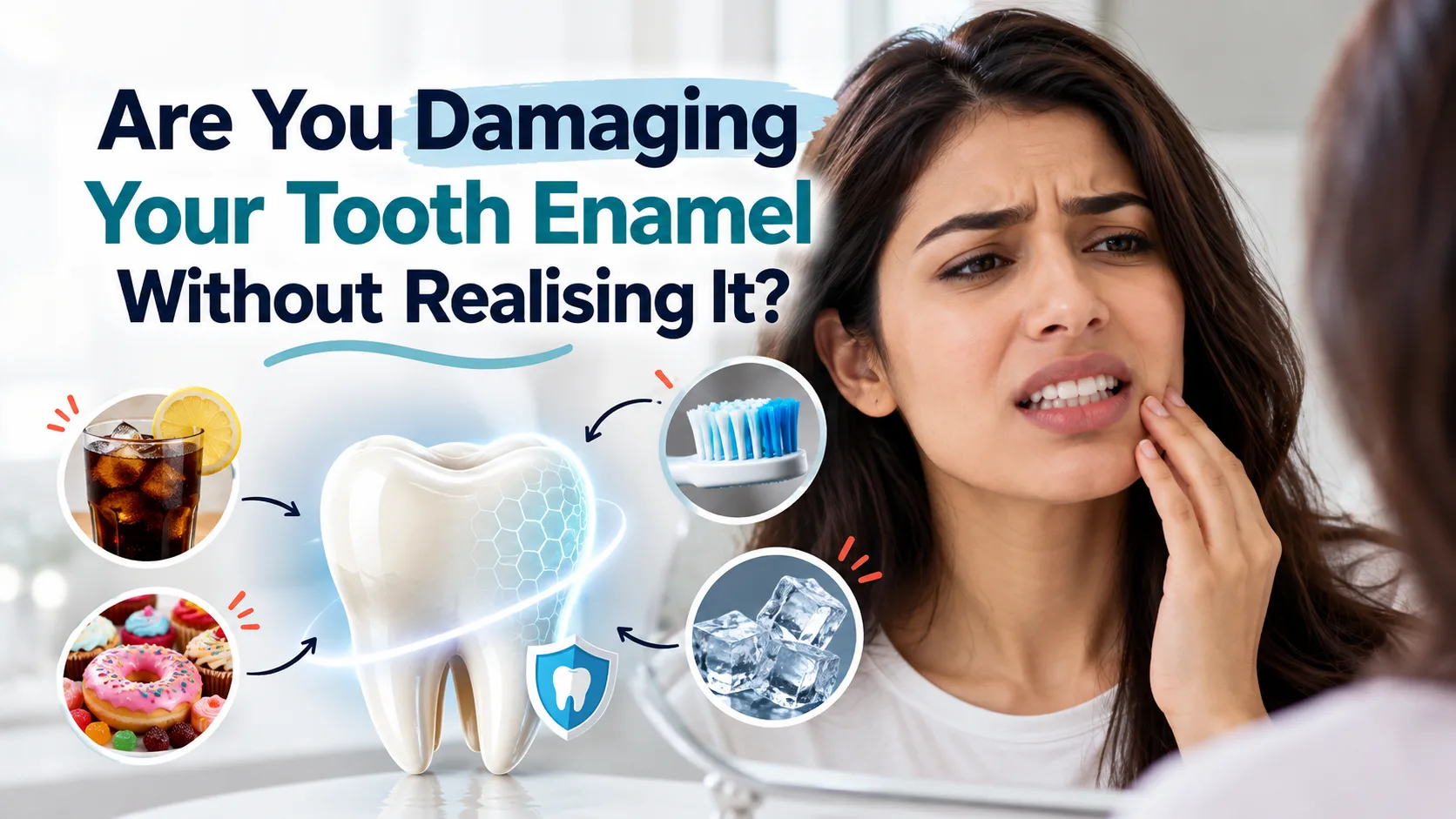
A sudden toothache can make it difficult to eat, concentrate, or get a good night's sleep. Sometimes the discomfort starts after biting into something hard, while in other cases it develops without an obvious reason. Although mild tooth pain may come and go, persistent or severe discomfort should not be ignored. Understanding the possible causes and knowing when to seek dental care can help prevent a small problem from becoming more serious.
What Can Cause a Sudden Toothache?
Tooth pain can develop for several reasons. Tooth decay may expose sensitive inner layers, while a cracked tooth can cause discomfort when biting or chewing. Inflamed gums, a damaged filling, or an infection around the tooth may also lead to pain. Some people notice sensitivity to hot, cold, or sweet foods, while others experience a constant ache that becomes worse at night. The location and intensity of the pain can offer clues, but a dental examination is needed to identify the actual cause.
When Should You See a Dentist?
A toothache that lasts more than a day or two deserves attention, particularly if it keeps returning or becomes more intense. You should also arrange a dental appointment if chewing causes pain, your gums become swollen, or you notice an unpleasant taste in your mouth. Sudden, severe pain should be assessed promptly rather than waiting for it to disappear on its own. These symptoms may indicate a problem that requires treatment, and seeking emergency dental care can help determine what is causing the discomfort and what needs to be done.
Facial or jaw swelling, fever, or difficulty opening the mouth can indicate a more serious infection. If swelling makes it difficult to breathe or swallow, seek emergency medical attention immediately.
Why Tooth Pain Sometimes Disappears
One of the most misleading aspects of a toothache is that the pain can fade without treatment. This may happen when irritation temporarily settles, but it does not necessarily mean the underlying problem has healed. In some cases, severe decay or damage can affect the nerve inside a tooth. If the nerve becomes badly damaged, the pain may lessen even though the tooth still needs attention. A dentist can assess whether treatment is required to address the source of the problem.
What Can You Do While Waiting for Your Appointment?
While waiting to see a dentist, gently rinse your mouth with warm salt water and keep the affected area clean. Avoid foods and drinks that trigger the pain, especially very hot, cold, or sugary items. Chewing on the opposite side may also help reduce discomfort temporarily. If you use an over the counter pain reliever, follow the package instructions and check with a pharmacist if you are unsure whether it is suitable for you. Do not place aspirin directly against the tooth or gums, as this can damage the tissue. These measures may provide temporary relief, but they cannot replace professional treatment.
Could a Toothache Mean You Need a Root Canal?
Not every toothache requires a root canal. However, when decay or an injury damages the soft tissue inside a tooth, root canal treatment may be needed to remove the affected tissue and preserve the natural tooth. Symptoms such as lingering sensitivity, pain when biting, or swelling around a tooth may prompt further investigation. The dentist will assess the tooth and may use X rays to determine the extent of the problem. You can learn more about when root canal treatment may be necessary and how it helps treat problems affecting the inside of a tooth.
Final Thoughts
A sudden toothache can have several causes, ranging from minor sensitivity to a more serious dental problem. Paying attention to persistent pain, swelling, and changes in how your teeth feel can help you recognize when professional care is needed. Rather than relying on temporary relief or waiting for the discomfort to return, arrange a dental assessment when symptoms persist or become severe. Early evaluation can help identify the cause and determine the most appropriate treatment.