

Adopting healthy eating habits is one of the most powerful steps to improve your overall health. Not only does a balanced diet help you maintain a healthy weight supports your immune system, boosts energy levels, and reduces the risk of chronic diseases. In this step-by-step guide, we’ll explore how you can begin to make small changes and gradually shift toward mastering healthy eating habits. Additionally, we’ll dive into which healthy nutrients and foods to incorporate into your diet to achieve lasting well-being.
Step 1: Understand the Importance of Healthy Eating Habits
A well-balanced diet is fundamental to maintaining good health. The foods you consume give your body the essential vitamins, minerals, and energy to function correctly. By practising healthy eating habits, you give your body the proper fuel, which leads to improved digestion, mental clarity, and physical health.
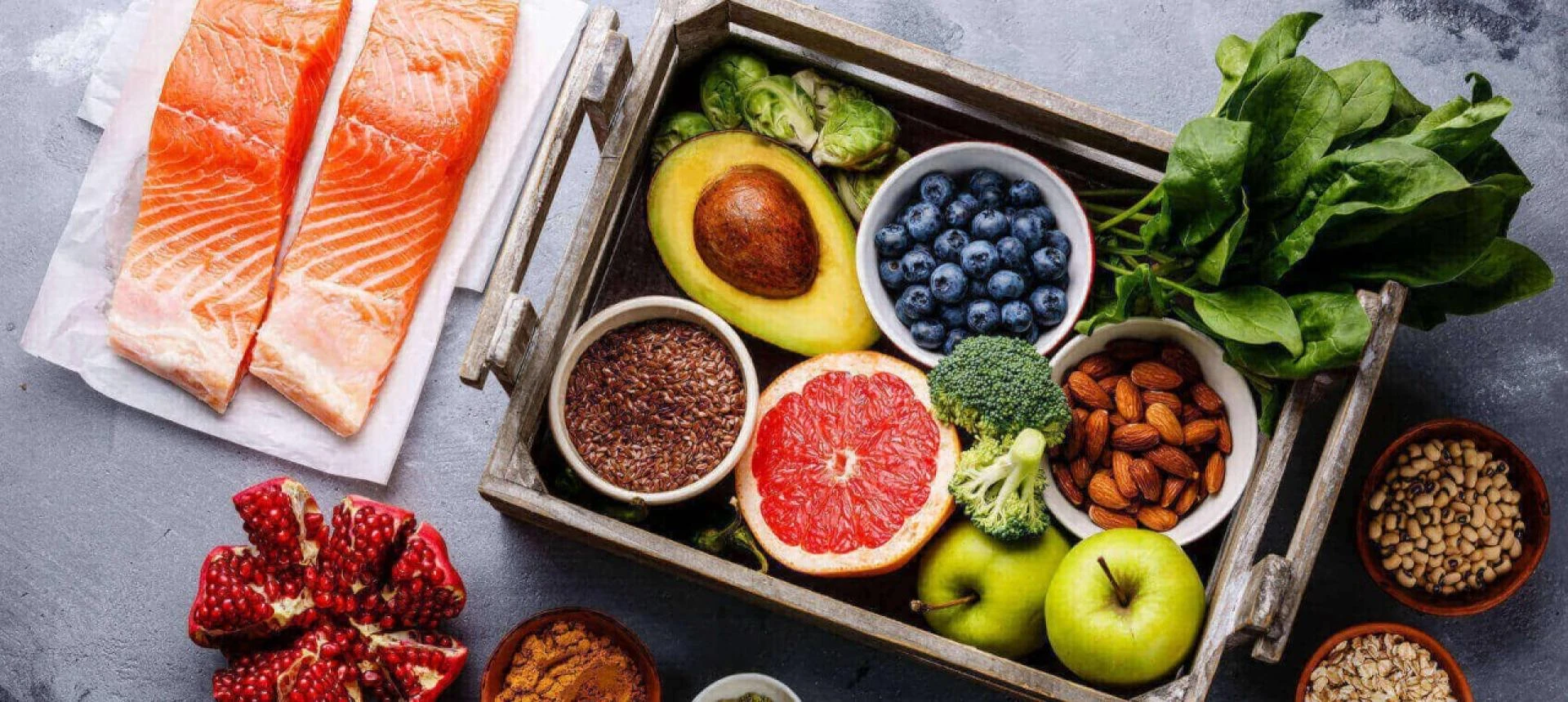
However, mastering healthy eating isn’t about restrictive diets or temporary changes. It’s about creating a sustainable lifestyle that prioritizes balance and nourishment.
This lifestyle change includes:
- Making informed food choices
- Limiting processed foods
- Focusing on portion control
- Staying hydrated
By following these habits, you’re more likely to achieve long-term health benefits that promote vitality, longevity, and a better quality of life.
Step 2: Choose the Right Healthy Nutrients and Foods
A diet rich in healthy nutrients and foods can help prevent diseases and ensure that your body functions optimally.
Here’s how to select nutrient-dense foods that fuel your body the right way:
1- Incorporate Plenty of Fruits and Vegetables
Fruits and vegetables are packed with essential vitamins, antioxidants, and fibre necessary for overall health. Aim for various colours on your plate, as different colours often represent different nutrients. For example, leafy greens like spinach and kale are rich in vitamins A, C, and K, while berries like blueberries provide antioxidants that help protect your body from free radicals.
2- Include Healthy Proteins
Protein is essential for building and repairing tissues and supporting immune function. Healthy protein sources include lean meats, fish, legumes, beans, and plant-based proteins like tofu and tempeh. Fish, particularly fatty fish like salmon, are also an excellent source of omega-3 fatty acids, which are essential for brain health and reducing inflammation.
3- Emphasize Whole Grains
Whole grains such as brown rice, quinoa, oats, and whole wheat bread are rich in fibre, which helps with digestion and keeps you feeling full longer. Unlike refined grains, whole grains retain all parts of the grain, ensuring they provide more nutrients and fibre.
4- Incorporate Healthy Fats
Healthy fats play a critical role in hormone production, brain health, and the absorption of fat-soluble vitamins. Avocados, olive oil, nuts, seeds, and fatty fish are all excellent sources of healthy fats. When consumed in moderation, these fats can help reduce the risk of heart disease.
5- Dairy or Alternatives
Dairy products, such as yoghurt, cheese, and milk, are excellent calcium and vitamin D sources, which are vital for bone health. If you’re lactose intolerant or prefer plant-based options, you can opt for fortified plant milk like almond, soy, or oat.
6- Limit Processed and Sugary Foods
While eating a wide range of foods is essential, avoiding or limiting processed and sugary foods is equally important. These foods, such as sugary snacks, sodas, and fast food, can contribute to weight gain, increase your risk of chronic diseases, and leave you feeling sluggish. Instead, focus on whole, unprocessed foods that offer superior nutritional value.
Step 3: Practice Portion Control
Mastering healthy eating also involves paying attention to portion sizes. Even healthy foods can lead to weight gain if consumed in excess. Portion control is crucial for maintaining a balanced intake of healthy nutrients and foods without overeating.
- Use smaller plates to limit portions naturally.
- Pay attention to hunger and fullness cues to avoid overeating.
- Check serving sizes on food labels to understand how much you’re eating.
- Include a variety of food groups in each meal to ensure balanced nutrition.
By controlling portion sizes, you can prevent overconsumption and keep your energy levels balanced throughout the day.
Step 4: Stay Hydrated
Water plays a key role in every bodily function, from digestion to circulation. Drinking enough water helps your body process nutrients, regulate temperature, and eliminate waste.
To ensure proper hydration:
- Aim to drink at least 8 glasses of water a day.
- Include herbal teas or water-rich foods like cucumbers and watermelon to stay hydrated.
- Avoid sugary beverages like sodas and energy drinks, as they can contribute to excess calorie intake and dehydration.
Step 5: Be Consistent with Your Healthy Eating Habits
Consistency is key when it comes to mastering healthy eating. While it’s easy to get off track with occasional indulgences, the goal is to stay consistent with healthy choices over the long term.
- Plan meals ahead of time to avoid reaching for unhealthy snacks.
- Healthy options, such as pre-chopped vegetables, nuts, and whole-grain snacks, are readily available.
- Create a positive environment around your meals by focusing on mindful eating and avoiding distractions like watching TV while eating.
Over time, these habits will become second nature, making it easier to stick to a healthy eating routine and enjoy the benefits of good nutrition.
Step 6: Indulge in Moderation
One of the most important aspects of healthy eating habits is balance. While focusing on nutrient-dense foods, indulging in treats occasionally is okay. It’s about moderation and finding the right balance between enjoying your favourite foods and nourishing your body with healthy nutrients and foods.
- Allow occasional indulgences without guilt, but try to keep portions in check.
- Avoid falling into the trap of all-or-nothing thinking when it comes to food.
- Remember, healthy eating habits are about progress, not perfection.

Conclusion
Incorporating healthy eating habits into your daily life doesn’t have to be overwhelming. You can start your journey toward a healthier lifestyle by following the steps outlined in this guide. Prioritize healthy nutrients and foods, control portion sizes, stay hydrated, and remain consistent. With time and dedication, you’ll master healthy eating and enjoy its long-term benefits.
For more tips on making healthy eating a part of your life, check out The Balanced Bites website. We provide expert advice on nutrition, meal planning, and maintaining a balanced lifestyle.