
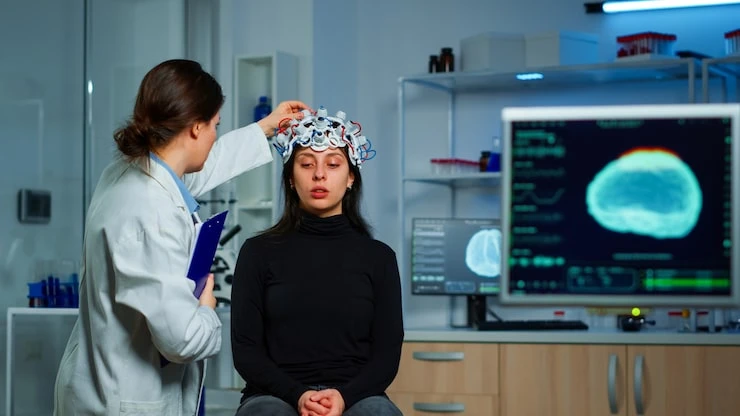
Brain tumour surgery can feel overwhelming for patients and families. The brain controls everything from speech to movement, memory, and emotions. Even a small error during surgery can have lifelong effects. This is why accuracy is not optional in modern brain surgery. It is essential.
Over the past few years, technology has reshaped the way brain tumours are treated. One of the most important advances is neurosurgical navigation technology. It allows surgeons to see inside the brain in real time and plan each step with precision. For patients exploring the best hospital for brain tumor surgery in Delhi, understanding this technology helps in making confident decisions.
This guide explains neuro-navigation step by step. It answers what it is, how it works, why it matters, and how it improves outcomes in brain tumour surgery.
What Is Neuro-Navigation in Brain Tumour Surgery?
Neuro-navigation is like a GPS system for the brain. Just as GPS helps a driver reach the right destination without wrong turns, neuro-navigation helps surgeons reach the tumour safely without damaging healthy brain tissue.
Before surgery, detailed brain scans are taken. These scans act as a digital map. During surgery, this map is matched with the patient’s actual brain position. This allows the surgeon to know exactly where they are operating at every moment.
Neuro-navigation does not replace the surgeon’s skill. It supports it. It improves accuracy, safety, and confidence during complex brain tumour surgery techniques.
Why Accuracy Matters So Much in Brain Surgery
The brain does not forgive mistakes easily. Different areas control different functions. One area may affect speech, another movement, and another vision. Tumours often grow close to these sensitive regions.
Without advanced guidance, surgeons rely heavily on experience and visual judgment. With neurosurgical navigation technology, surgeons can:
- Avoid healthy brain tissue
- Reduce the risk of neurological damage
- Remove the tumour more precisely
- Improve recovery outcomes
This is why patients searching for the best neuro hospital in Delhi often ask whether advanced navigation systems are used.
Step 1: Detailed Brain Imaging Before Surgery
Everything starts with imaging. High-resolution MRI and CT scans are done before surgery. These scans show the size, shape, and exact location of the tumour.
The images also show nearby blood vessels and important brain areas. All this information is uploaded into the neuro-navigation system.
At this stage, the surgeon plans the safest surgical route. The goal is to reach the tumour directly while protecting normal brain structures.
This planning phase plays a key role in managing brain tumor surgery cost in Delhi, since precise planning reduces complication risks and recovery time.
Step 2: Creating a 3D Brain Map
Once imaging is complete, the system converts scans into a three-dimensional brain map. This 3D model gives surgeons a complete view of the brain from different angles.
Unlike flat images, this model shows depth. It allows the surgeon to understand how deep the tumour is and how close it lies to critical areas.
This level of visual clarity is now a standard expectation when evaluating the best neurosurgery hospital in Delhi.
Step 3: Matching the Digital Map With the Patient’s Head
Before surgery begins, the patient’s head is carefully aligned with the digital brain map. This process is called registration.
Small reference points are used to match the scan with the exact head position on the operating table. Once matched, the navigation system knows the surgeon’s position inside the brain with high accuracy.
From this point onward, every surgical movement is tracked and displayed on a screen.
Step 4: Real-Time Navigation During Surgery
During surgery, surgical instruments are tracked by the system. Their position appears on the brain map in real time.
This allows the surgeon to:
- See exactly where the instrument tip is
- Adjust movements instantly
- Stay within planned safe zones
- Reach the tumour through the shortest route
This step defines modern brain tumour surgery techniques. It improves precision while lowering the chance of unintended damage.
Step 5: Protecting Critical Brain Functions
One of the biggest advantages of neuro-navigation is function preservation. The system helps surgeons avoid areas responsible for speech, movement, and memory.
In some cases, additional monitoring is combined with navigation to ensure active brain areas stay protected.
This matters greatly for patients searching for the best neuro doctor in Delhi, as outcomes are no longer judged only by tumour removal but also by quality of life after surgery.
Step 6: Tumour Removal With Maximum Precision
Once the surgeon reaches the tumour, neuro-navigation continues to guide the removal process. It helps ensure that all visible tumour tissue is addressed without unnecessary removal of healthy brain tissue.
This accuracy reduces the chance of tumour remnants. It also reduces post-surgical complications.
For families worrying about long-term outcomes, this technology offers reassurance.
Step 7: Closing the Surgery With Confidence
After tumour removal, the navigation system helps confirm the surgical area. The surgeon checks boundaries and verifies that planned goals have been achieved.
This final guidance step helps reduce repeat surgeries. It also supports smoother post-operative recovery.
How Neuro-Navigation Improves Patient Recovery
Patients often recover faster after navigated brain surgery. This happens because surrounding brain tissue is disturbed less.
Common benefits include:
- Lower risk of weakness or speech problems
- Shorter hospital stays
- Faster return to daily activities
- Better post-surgery neurological outcomes
This is one reason patients consulting a neurologist near me are now advised to ask about navigation technology before surgery.
Is Neuro-Navigation Used for All Brain Tumours?
Neuro-navigation is especially helpful for deep-seated tumours and those close to sensitive areas. It may not be required for every small surface-level tumour, but it is increasingly becoming a standard of care.
Patients should always discuss its relevance with their treating team when planning surgery.
Does Neuro-Navigation Affect Surgery Cost?
Advanced technology can influence brain tumor surgery cost in Delhi, but it often adds value. Fewer complications and better outcomes often reduce long-term medical expenses.
Patients should focus on safety and effectiveness rather than cost alone.
What Patients Should Ask Before Surgery
Before deciding on surgery, patients should ask:
- Is neuro-navigation used during the procedure?
- How experienced is the surgical team with this system?
- How does it improve safety in my case?
These questions help distinguish truly advanced centres from basic setups.
Conclusion: Where Expertise Meets Technology
Neuro-navigation has changed brain tumour surgery from a high-risk procedure to a carefully guided intervention. It allows surgeons to operate with clarity and confidence. For patients, it means safer surgery and better recovery outcomes.
For those seeking trusted care at the best neuro hospital in Delhi with access to advanced neurosurgical navigation technology, PSRI Hospital in Delhi offers comprehensive brain tumour care. The hospital combines experienced specialists, modern infrastructure, and patient-focused treatment planning under one roof.
If you or a loved one is evaluating options for brain tumour surgery, consulting the neuro team at PSRI Hospital can help you understand the safest and most effective treatment path forward.