In a world of rapid progress and growing convenience, countless lives still depend on the kindness of others for their most basic needs. Hunger, illness, and abandonment are realities that remain hidden behind urban skylines and digital screens. For many individuals—children without families, elders without support, and patients without means—survival is a daily struggle. In such circumstances, even a modest contribution can become a lifeline, restoring dignity and hope where it is most needed.
One of the simplest yet most powerful forms of compassion is to sponsor a meal. For someone facing hunger, a meal is not just food—it is reassurance, energy, and care. Regular access to nourishment improves physical health, emotional stability, and overall well-being. When communities come together to support meal programs, they help create a foundation on which individuals can rebuild their lives with strength and confidence.
Many people feel the urge to help but are unsure how to begin. Choosing to donate for meals is a practical and transparent way to make a difference. Food-based support directly addresses hunger and ensures that resources are used for immediate, tangible outcomes. It is one of the most efficient ways to contribute, as it turns generosity into visible impact without delay.
For others, the motivation is more personal—a desire to give a meal as an expression of humanity. This simple act carries emotional weight. It tells the recipient that they are seen, valued, and not forgotten. Across shelters and care homes, shared meals often become moments of connection, where isolation fades, and a sense of belonging takes root.
Beyond hunger, health emergencies can devastate families already living on the edge. Rising medical costs mean that timely treatment is often unreachable for those without financial security. When there is a need for a donation for medical treatment, external support can mean the difference between recovery and irreversible loss. Contributions toward medical care help cover surgeries, medicines, diagnostic tests, and rehabilitation—critical interventions that restore not just health, but futures.
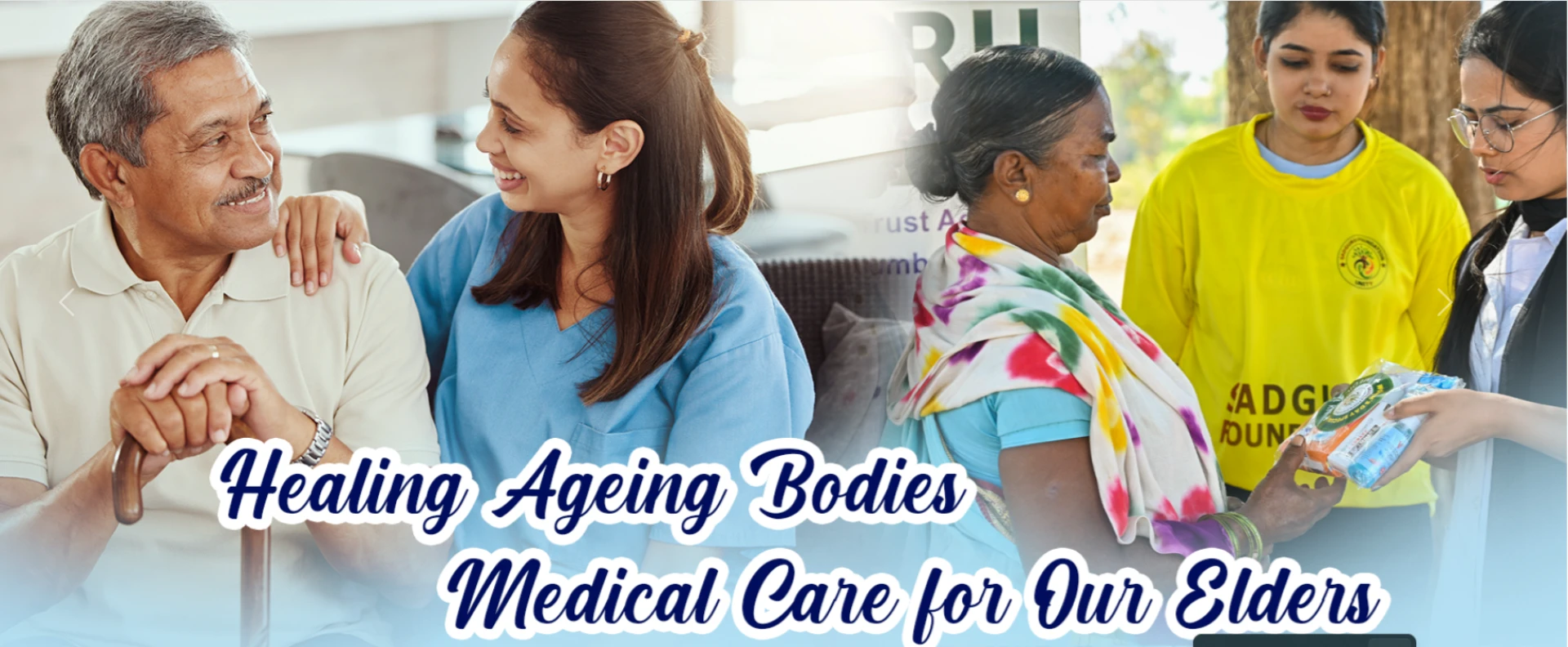
Elderly individuals face a unique vulnerability. Many have outlived their earning years and, in some cases, their support systems. Choosing to donate food to old age home initiatives ensures that senior citizens receive nutritious meals tailored to their needs. Proper nutrition in later life directly affects immunity, mobility, and mental clarity, making food support a cornerstone of elder care.
People often search for trusted ways to help within their own communities, looking for an old age home near me for donation. Localized giving strengthens social bonds and ensures accountability. Supporting nearby care homes allows donors to witness the impact firsthand and fosters a culture of responsibility toward the elderly within the community.
Technology has transformed how generosity flows. Today, online donation for old age homes make it possible to support elder care regardless of physical distance. Digital platforms offer transparency, ease, and speed, enabling contributors to respond quickly to urgent needs. This accessibility has widened participation, allowing more people to engage in meaningful giving.
Children without parental care face long-term challenges that extend beyond basic survival. Education, nutrition, healthcare, and emotional support are all essential for their development. An online donation for orphanage programs helps provide these critical resources consistently. Supporting such causes invests in the future by giving vulnerable children a fair chance to grow into independent, capable adults.
What makes charitable giving truly powerful is intention. Whether the contribution is large or small, consistency and awareness amplify its effect. Donations are not merely financial transactions; they are statements of shared humanity. They bridge the gap between privilege and need, turning empathy into action.
In times of uncertainty, compassion remains one of the few forces that can create stability. When individuals choose to give—quietly, sincerely, and responsibly—they help build a society where no one is left behind. The impact of a single act of kindness often extends far beyond what is visible, touching lives in ways that endure.
True change does not always require grand gestures. It begins with awareness, followed by action. By choosing to support essential needs—food, healthcare, and care for the vulnerable—we contribute to a cycle of hope that sustains communities and transforms lives, one thoughtful decision at a time.