
In today’s connected world, having fast and reliable internet is more important than ever. From streaming movies and attending online meetings to playing games and managing cloud data, almost every digital activity depends on a stable internet connection. While Wi-Fi is widely used for convenience, many people still rely on Ethernet cables when they want consistent speed and performance.
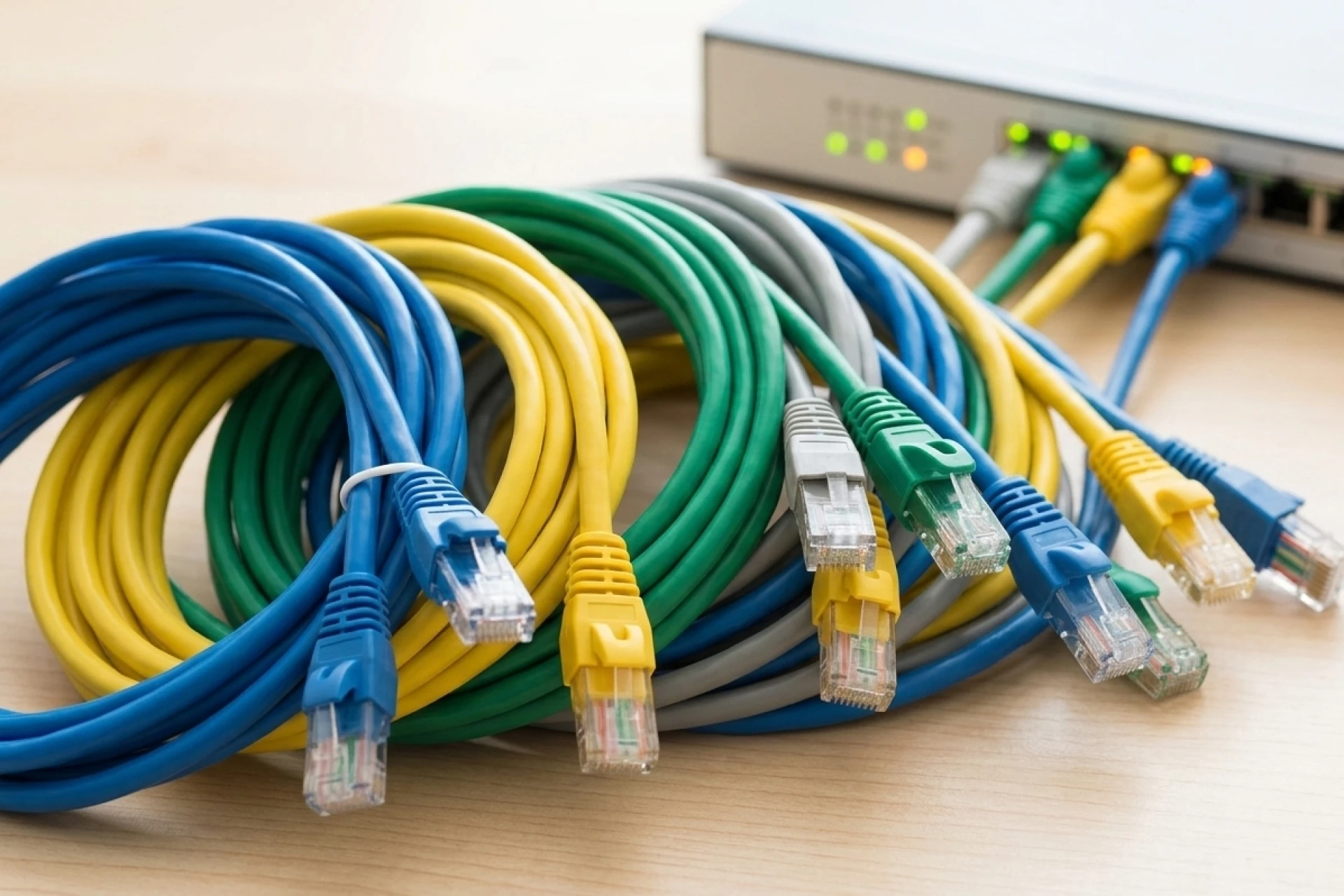
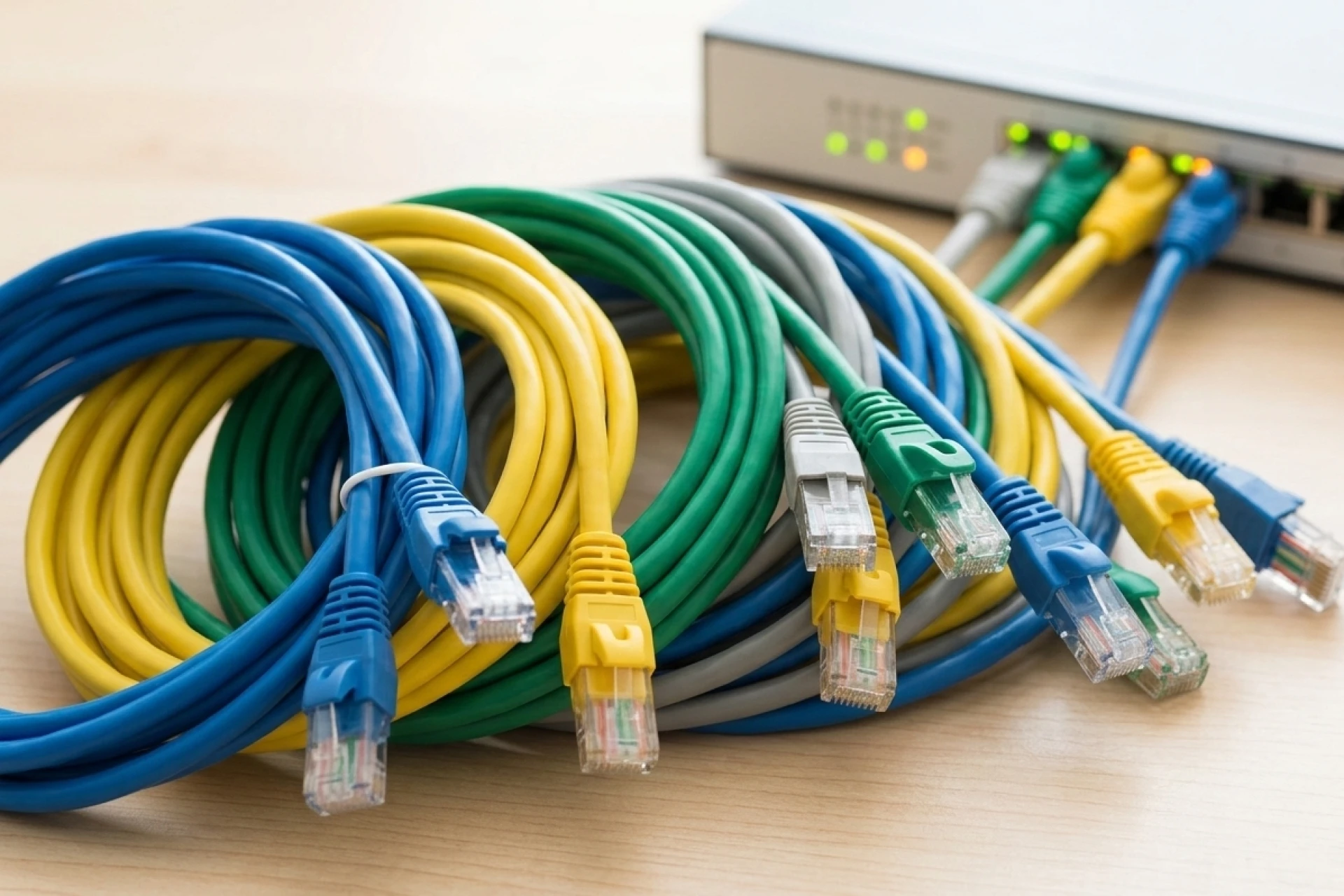
Ethernet cables create a direct wired connection between devices and the internet router. This type of connection is generally more stable and less prone to interference compared to wireless networks. Among the different cable options available today, the cat6 internet cable has become a popular choice because it offers high-speed performance and reliability for modern networking needs.
This guide will explain how Ethernet cables work, why they can help improve internet speed, and how to choose the right one for your home or office.
What Is an Ethernet Cable?
An Ethernet cable is a networking cable used to connect devices within a local area network (LAN). It links devices like computers, routers, gaming consoles, printers, and smart TVs so they can communicate and share data.
Instead of sending data through wireless signals, Ethernet cables transmit information through copper wires inside the cable. This physical connection helps reduce signal interference and ensures more stable communication between devices.
Many users prefer using a cat6 internet cable because it supports higher speeds and better signal quality compared to older cable types.
Why Wired Connections Are Often Faster
Although Wi-Fi technology has improved significantly over the years, wired connections still provide several advantages when it comes to speed and reliability.
Less Signal Interference
Wireless signals can be affected by walls, electronic devices, and other wireless networks. Ethernet cables avoid this problem by providing a direct connection.
More Consistent Speeds
Wi-Fi speeds can fluctuate depending on distance from the router and network congestion. A wired connection using a cat6 internet cable delivers more consistent performance.
Lower Latency
Latency refers to the delay between sending and receiving data. Lower latency is especially important for activities such as gaming, video conferencing, and real-time collaboration.
Improved Stability
Ethernet connections rarely experience the dropouts or fluctuations that can occur with wireless networks.
Because of these benefits, many users switch to Ethernet cables when they want faster and more reliable internet connections.
Understanding Ethernet Cable Categories
Ethernet cables are available in several categories, often called “Cat” cables. Each category supports different speeds and bandwidth capabilities.
Cat5
Cat5 cables were commonly used in older networks. They support speeds up to 100 Mbps, which is relatively slow compared to modern standards.
Cat5e
Cat5e (Enhanced Cat5) improved the original design by reducing interference and supporting speeds up to 1 Gbps. Many older homes and offices still use Cat5e cables.
Cat6
Cat6 cables offer improved performance and higher bandwidth. A cat6 internet cable can support speeds up to 10 Gbps over shorter distances and operates at higher frequencies than Cat5e cables.
Cat7
Cat7 cables provide additional shielding to reduce interference and are typically used in professional or industrial environments.
Cat8
Cat8 cables are designed for extremely high-speed networks such as data centers. They support very high data transfer rates but are usually unnecessary for home networks.
For most users, a cat6 internet cable provides the ideal combination of speed, reliability, and affordability.
Where Ethernet Cables Improve Internet Performance
Ethernet cables can significantly improve performance in several common networking situations.
Online Gaming
Gamers often experience lag or delays when using Wi-Fi. A wired connection using a cat6 internet cable can reduce latency and provide smoother gameplay.
Streaming Video
Streaming high-definition or 4K content requires stable bandwidth. Ethernet cables help maintain consistent speeds and prevent buffering.
Remote Work and Video Calls
Video conferencing and online collaboration tools work best with a reliable internet connection. Wired connections help avoid interruptions during important meetings.
Large File Transfers
Uploading or downloading large files becomes faster and more reliable with a wired connection.
Benefits of Using Cat6 Ethernet Cables
There are several reasons why many users prefer Cat6 cables when building or upgrading their networks.
Higher Data Speeds
A cat6 internet cable supports faster data transmission compared to older cable categories.
Reduced Crosstalk
Crosstalk occurs when signals from one wire interfere with another. Cat6 cables include improved internal design that reduces this interference.
Better Network Performance
Higher bandwidth allows networks to handle more data at once, which is especially useful for homes or offices with many connected devices.
Future Compatibility
As internet speeds continue to increase, using a cable that supports higher bandwidth helps future-proof your network.
Tips for Installing Ethernet Cables
Installing Ethernet cables properly helps ensure the best possible network performance.
Here are a few practical tips:
- Avoid bending the cable sharply, as this can damage internal wires.
- Keep cables away from electrical wiring to reduce interference.
- Use cable clips or organizers to keep cables tidy and protected.
- Choose the correct cable length to avoid unnecessary clutter.
Proper installation ensures your cat6 internet cable performs efficiently and lasts for years.
When Should You Upgrade Your Ethernet Cable?
If you are experiencing slow or unstable network performance, your Ethernet cable might be part of the problem. Older cables may not support modern internet speeds or networking equipment.
You might consider upgrading if:
- Your current cable is an older Cat5 model
- Your internet plan supports gigabit speeds
- You use multiple connected devices
- You experience frequent connection interruptions
Switching to a cat6 internet cable can help improve overall network performance and reliability.
Final Thoughts
Ethernet cables remain one of the most effective ways to achieve fast and stable internet connections. While Wi-Fi offers flexibility and convenience, wired connections provide the speed and reliability needed for many demanding tasks.
Understanding the different Ethernet cable categories and how they affect network performance can help you make better decisions when setting up or upgrading your network.
For most homes and offices, a cat6 internet cable offers the perfect balance of performance, affordability, and future compatibility. Whether you are streaming videos, working online, gaming, or managing a business network, using the right Ethernet cable can make a noticeable difference in your internet experience.