Starting a meal plan for weight loss often feels confusing because there is too much advice coming from every direction. Some plans ask you to stop eating carbs, others tell you to avoid fats, and many focus heavily on calorie counting. But most people are not looking for strict rules. They want a simple, healthy approach that works with their routine and helps them lose weight without stress.
This guide is created for anyone who wants a practical and realistic plan that is easy to follow, even on busy days. You don’t need complicated recipes or special foods. What really matters is eating balanced meals, following clear steps, and building small habits that support long-term results.
Why Meal Planning Is More Effective Than Following Diet Trends
Many popular diets fail because they are hard to maintain. They often remove foods you enjoy or expect you to eat in a way that does not suit your lifestyle. Meal planning works differently. It gives you structure while still allowing flexibility. When meals are planned, food choices become easier, portions are more controlled, and hunger stays stable. This helps prevent overeating and reduces the urge to snack on unhealthy foods.
What a Balanced Meal Plan Should Include
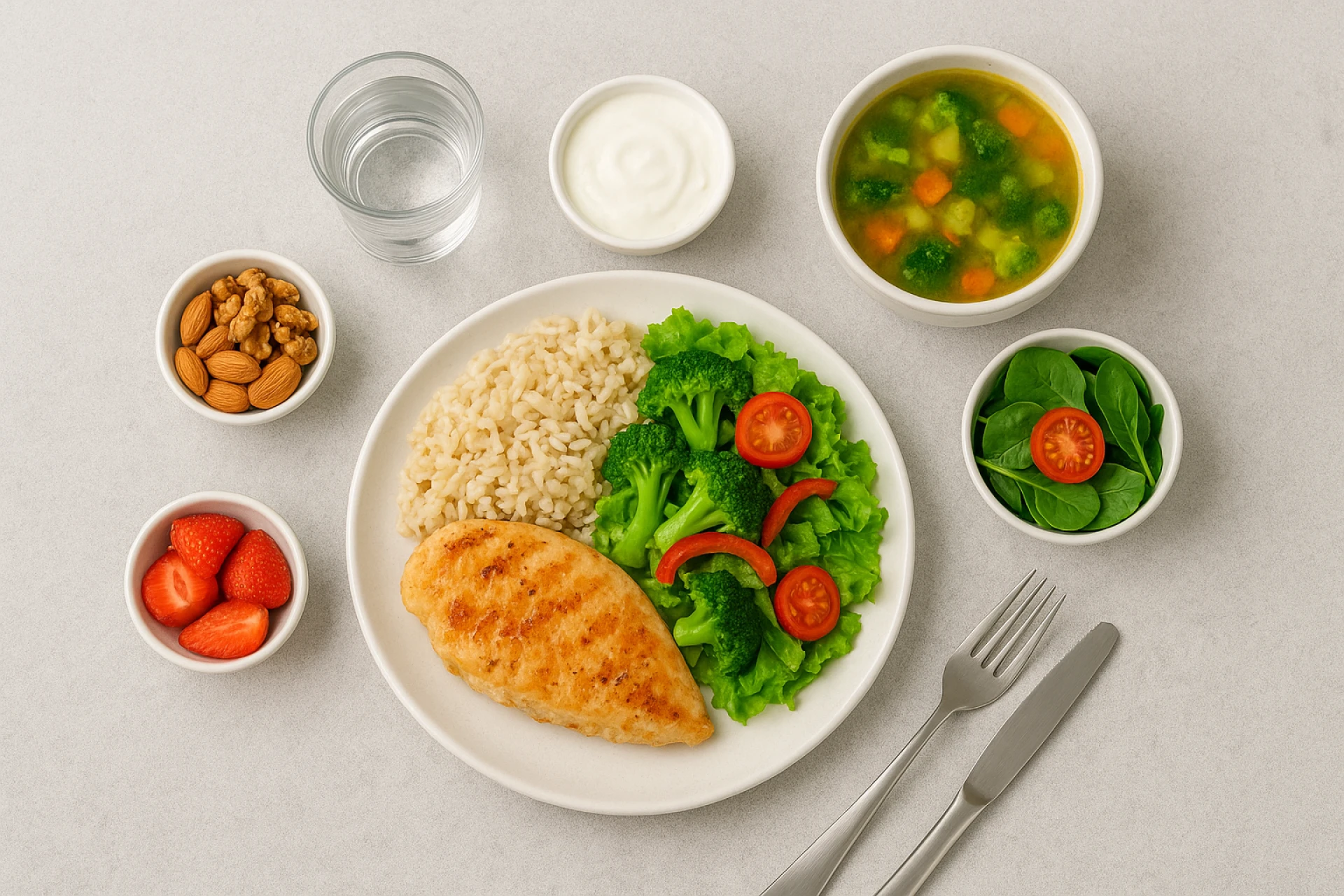
A healthy meal plan is not about eating less food, but about eating the right kind of food. A balanced plate usually includes a source of protein, whole grains, healthy fats, vegetables, and fruit. This combination helps you feel full for longer and keeps your energy levels steady throughout the day.
How to Create a Simple Daily Eating Routine
Keeping meals simple makes it easier to stay consistent.
Breakfast
Choose a protein-rich breakfast to avoid mid-morning hunger. Options include oats with fruit, boiled eggs with whole-grain bread, Greek yoghurt with berries, or a smoothie made with oats and banana.
Lunch
Lunch should be filling and nutritious. Meals like grilled chicken with vegetables, chickpea salads, tuna sandwiches with fresh greens, or tofu stir-fries provide fibre and long-lasting energy.
Dinner
Evening meals should be lighter but still satisfying. Baked fish with vegetables, vegetable soups, paneer salad bowls, or chicken stir-fries are good choices that won’t feel too heavy.
Snacks
Healthy snacks can help manage hunger between meals. Fruits, yoghurt, nuts, and raw vegetables are better options than fried or sugary snacks that add unnecessary calories.
Staying Consistent on Busy Days
A busy schedule is one of the biggest challenges to healthy eating. Preparing food in advance can make a big difference. Washing and cutting vegetables ahead of time, cooking grains in batches, and keeping quick foods like eggs, yoghurt, and fruit available helps you stay on track. Planning meals the night before, drinking enough water, and avoiding skipped meals can also improve consistency.
The Importance of Protein for Weight Loss
Protein plays a major role in supporting weight loss. It helps keep you full, protects muscle mass, and supports metabolism. Including protein in every meal—such as chicken, fish, eggs, tofu, beans, lentils, or Greek yoghurt—can help you see better results over time.
Why Fibre Is Essential
Fibre supports digestion, reduces bloating, and helps control appetite. Vegetables, fruits, whole grains, and legumes are rich in fibre and help you feel satisfied without adding many calories. This makes fibre an important part of any weight-loss routine.
Eating Healthy Without Feeling Restricted
Healthy eating does not mean giving up the foods you enjoy. The key is moderation. Enjoy treats occasionally, choose smaller portions, and replace sugary drinks with water or herbal tea. Cooking methods also matter—grilling or baking instead of frying, and adding more vegetables to meals, can make a big difference without feeling restrictive.
A Simple One-Day Meal Example
Here is an easy sample you can follow:
- Breakfast: Greek yoghurt with berries
- Lunch: Grilled chicken with brown rice and vegetables
- Snack: Fruit or a small handful of nuts
- Dinner: Baked fish with steamed broccoli
Small Habits That Support Long-Term Results
Simple daily habits can improve your progress. Eating slowly, managing portion sizes, getting enough sleep, staying active, and reducing sugary drinks all support your meal plan and help your body respond better.
Final Thoughts
Losing weight does not need to feel complicated or overwhelming. When you follow a clear routine, focus on whole foods, and build habits you can maintain, progress becomes steady and sustainable. Meal planning is not a short-term fix—it is a long-term lifestyle approach.
With consistency and commitment, reaching your goals becomes much easier. And if you are looking for a structured starting point, choosing a meal plan to lose weight is one of the most effective ways to begin.