
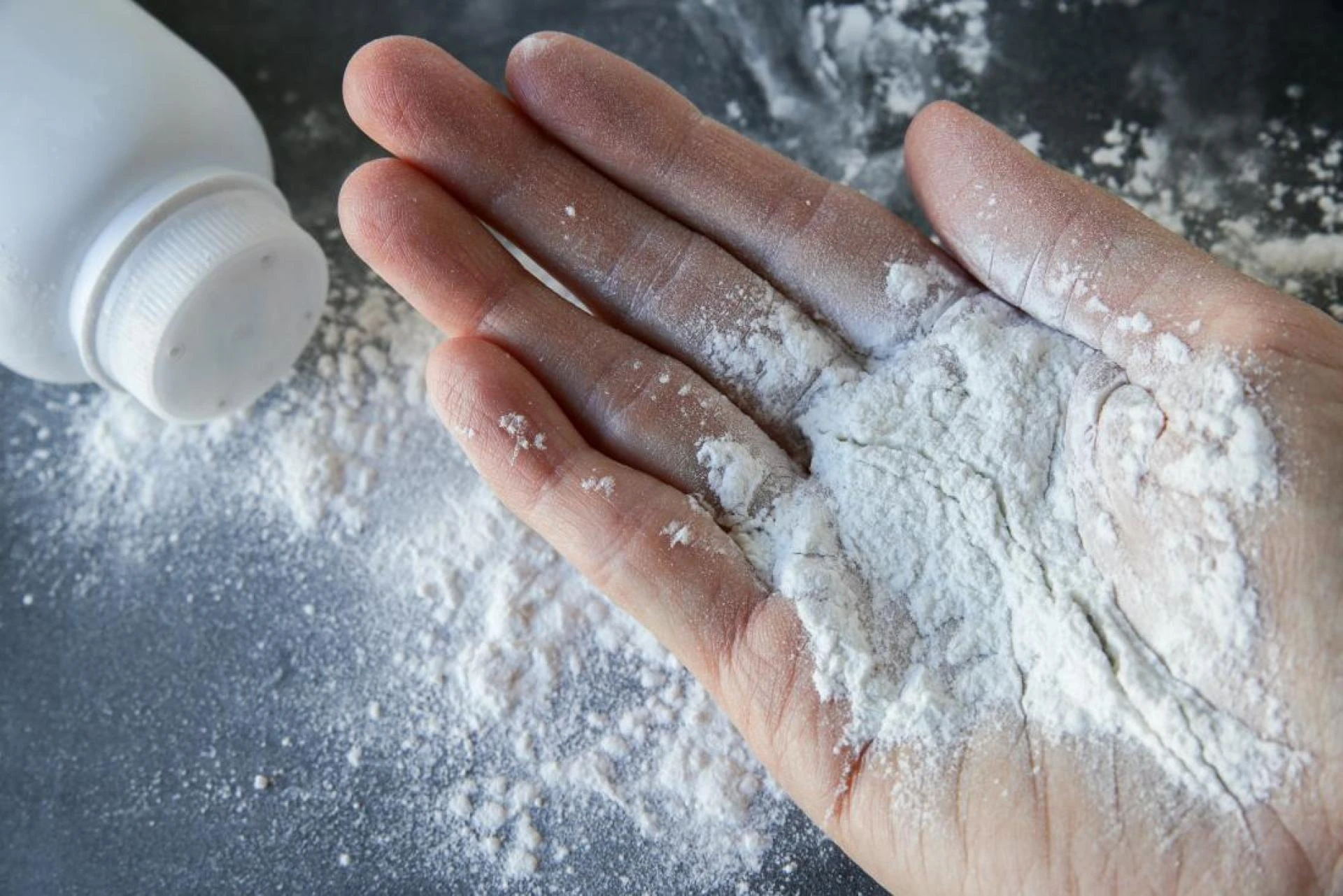
Talc, a naturally occurring mineral composed of hydrated magnesium silicate, plays an indispensable role across a wide range of industrial sectors. Its physical and chemical properties—including high temperature resistance, softness, inertness, and excellent absorption—make it a critical component in many manufacturing processes. At Anand Talc, decades of industry experience have positioned us as a trusted name, serving the needs of global industries with consistent quality and reliable delivery. As a leading Talc Powder Exporter in India, we understand the multifaceted roles this mineral plays in modern industry.
Why Talc Powder Is So Widely Used in Industry
Talc’s layered structure provides it with unique characteristics that make it useful in everything from plastics to pharmaceuticals. Its lamellar nature gives it lubricating properties, and its chemical inertness makes it safe for sensitive applications. It also improves suspension, reduces viscosity, and enhances the finish of products. Talc is a mineral that adds value far beyond its weight.
Industries benefit from talc's:
- Chemical Stability: Non-reactive in most chemical environments
- Soft Texture: Easily grindable for ultrafine applications
- Low Abrasiveness: Ideal for coatings and polymers
- Heat Resistance: Useful in ceramics and industrial rubber
Talc Powder in the Paint and Coating Industry
One of the most prominent applications of talc is in coatings and paints. As a functional filler, talc improves the durability, opacity, and weather resistance of paint films. In water-based paints, it contributes to better suspension and prevents sedimentation. Talc particles provide a smooth texture, giving the paint a glossy and uniform finish. Its platy morphology improves rheology and reduces permeability.
Explore more about the use of Talc in Paint Industry and how it ensures high-performance coatings with long-lasting effects.
Talc in the Pharmaceutical Industry
In pharmaceutical formulations, talc is highly valued for its inertness, smooth texture, and absorption capabilities. It is used as a glidant in tablet production, aiding in powder flow and compressibility. Talc also serves as a carrier for medicated powders and an essential excipient in topical applications. Given its non-reactive nature, it is considered safe for both external and internal pharmaceutical formulations.
The specific applications of Talc in Pharmaceutical Industry ensure patient safety while enhancing the effectiveness of the drug delivery mechanism.
Application in Plastics and Polymers
Talc acts as a reinforcing filler in the plastics sector, especially in polypropylene, polyethylene, and PVC products. Its inclusion improves impact resistance, heat deflection temperature, and dimensional stability. In automotive components and household goods, talc-based composites help reduce weight without compromising strength. The mineral also plays a role in improving the surface finish and anti-blocking properties of plastic films.
Key Benefits:
- Enhances stiffness and heat resistance
- Reduces shrinkage and warpage
- Improves tactile and aesthetic qualities
Talc for Ceramics and Sanitaryware
In ceramics manufacturing, talc helps control shrinkage, increases thermal resistance, and improves vitrification. It acts as a flux to reduce firing temperatures, thereby saving energy and improving throughput. Talc ensures a smooth, crack-free surface and better glaze adhesion. It’s particularly beneficial in wall tiles, floor tiles, and bathroom fixtures.
Applications include:
- Wall and floor tiles
- Porcelain and bone china
- Refractory ceramics
Talc in the Paper Industry
In paper production, talc serves dual purposes—as a filler and as a pitch control agent. It enhances paper smoothness, printability, and opacity while reducing friction during processing. Talc’s hydrophobic properties help absorb resinous materials, preventing deposits on machinery. This results in higher operational efficiency and improved product quality.
Industrial uses in paper manufacturing:
- Improves ink absorption
- Controls stickies and resin
- Acts as a cost-effective filler
Agriculture and Fertilizer Applications
Talc is used as a carrier for agricultural chemicals like pesticides, fungicides, and herbicides. Its inertness and hydrophobic nature ensure that active ingredients are uniformly distributed and protected from moisture. It also serves as a diluent in animal feed and seed coatings, improving the shelf life and effectiveness of agrochemical products.
Advantages in agriculture:
- Prevents lumping in powder formulations
- Enhances flow and stability
- Reduces caking in fertilizers
Rubber and Tire Manufacturing
In the rubber industry, talc is used as a processing aid and release agent. It prevents rubber sheets from sticking together and improves extrusion and molding processes. Talc also enhances the mechanical properties of vulcanized rubber, contributing to improved tensile strength and elasticity.
Functions in rubber manufacturing:
- Anti-stick agent during processing
- Reinforces mechanical strength
- Reduces gas permeability in tires
Environmental and Cosmetic Applications
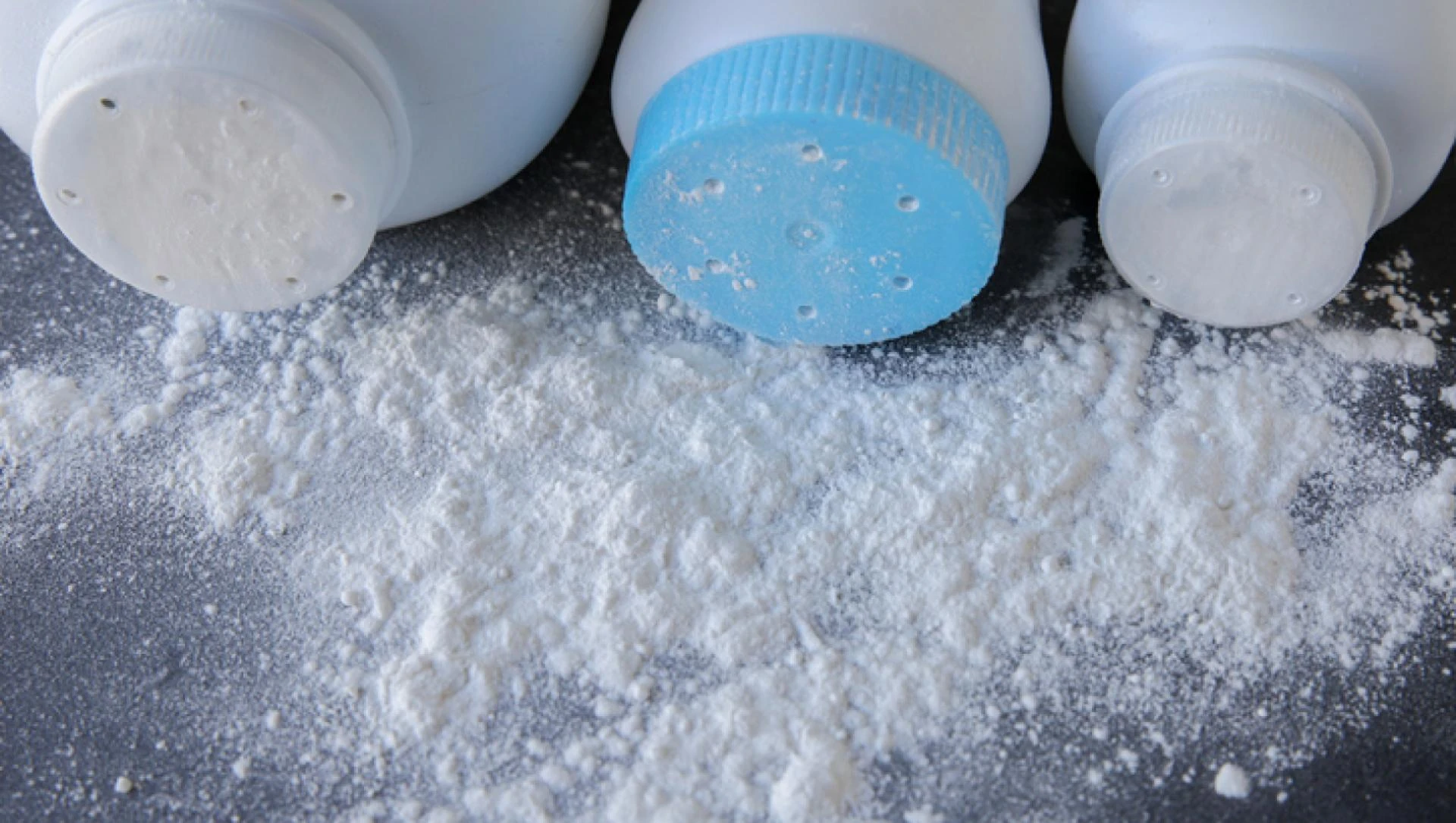
Talc's exceptional absorbency and skin compatibility make it a key ingredient in cosmetic and personal care products. It is used in baby powders, face powders, and deodorants for its ability to absorb moisture and provide a soft feel. In environmental applications, talc is used in wastewater treatment for flocculation and as a filtering aid.
Final Thoughts
From enhancing the aesthetic appeal of paints to ensuring the safety of pharmaceutical tablets, industrial talc powder is a silent workhorse behind many modern products. As industries continue to innovate and optimize performance, talc remains a fundamental ingredient across sectors. Choosing a trusted supplier ensures consistent quality, regulatory compliance, and application-specific customization.
With decades of hands-on experience and a deep understanding of industrial requirements, Anand Talc continues to be a reliable partner for global industries looking for high-grade talc solutions.