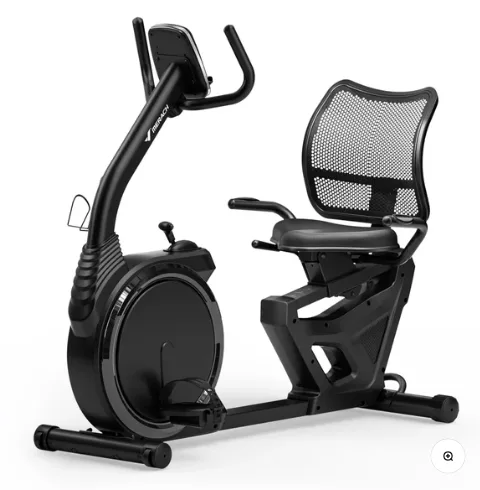
When choosing an indoor exercise bike or sit down stationary bike, many people focus on features such as resistance levels, comfort, design, and digital displays. However, one of the most important components that affects the overall riding experience is the flywheel. The flywheel plays a major role in creating smooth movement, realistic cycling performance, and a comfortable workout experience. Understanding how a flywheel works can help you choose the right exercise bike for your fitness needs.
A flywheel is a weighted rotating wheel located inside an exercise bike. When you pedal, your movement transfers energy to the flywheel, causing it to spin. The weight and design of the flywheel help maintain momentum, creating a smoother and more natural cycling motion. Unlike lightweight systems that may feel uneven or jerky, a well-designed flywheel provides consistent movement from the beginning to the end of each pedal stroke.
One of the biggest advantages of a heavier flywheel is improved riding smoothness. During outdoor cycling, the momentum of the bike and wheels helps riders maintain a steady pace. An indoor bike with a quality flywheel can replicate this feeling by storing rotational energy and reducing sudden changes in movement. This makes workouts feel more comfortable, especially during longer cycling sessions.
The flywheel also affects resistance performance. Many exercise bikes use magnetic, friction, or electronic resistance systems that work together with the flywheel to create different workout intensities. A heavier flywheel usually allows for more stable resistance changes, making it easier to switch between light warm-ups and challenging training sessions. This is especially beneficial for users who want to improve endurance, increase strength, or simulate different cycling conditions.
There are different flywheel weights available on exercise bikes, and the ideal choice depends on individual goals. Lightweight flywheels can be suitable for beginners or casual users who want simple home workouts. They often make the bike easier to move and store. Medium-weight flywheels provide a balance between smooth performance and convenience, making them popular for regular home fitness use. Heavier flywheels are often preferred by experienced cyclists or users who want a more realistic road-bike feel.
The placement of the flywheel is another factor to consider. Some bikes have a front-mounted flywheel, while others place it at the rear. Both designs can provide effective workouts, but they may offer slightly different riding sensations. Front flywheel designs are commonly associated with a traditional indoor cycling experience, while rear flywheel models may have a different balance and appearance. The quality of the bike’s overall construction is usually more important than the exact flywheel position.
Maintenance and durability are also connected to the flywheel system. A well-built flywheel with reliable bearings and a strong frame can provide years of smooth operation. When purchasing an exercise bike, it is important to consider not only the flywheel weight but also the quality of the materials, drive system, and overall design.
For people using an exercise bike at home, a good flywheel can make a significant difference in workout enjoyment. A smoother ride can encourage users to exercise more consistently and maintain a regular fitness routine. Whether the goal is weight management, cardiovascular improvement, endurance training, or general health, the flywheel helps create a more effective and enjoyable cycling experience.
In conclusion, the flywheel is a key component that determines the smoothness, stability, and performance of an exercise bike. While flywheel weight is an important consideration, it should be evaluated together with resistance type, build quality, comfort, and personal fitness goals. Choosing an exercise bike with a suitable flywheel system can help users enjoy better workouts and achieve a more satisfying indoor cycling experience.