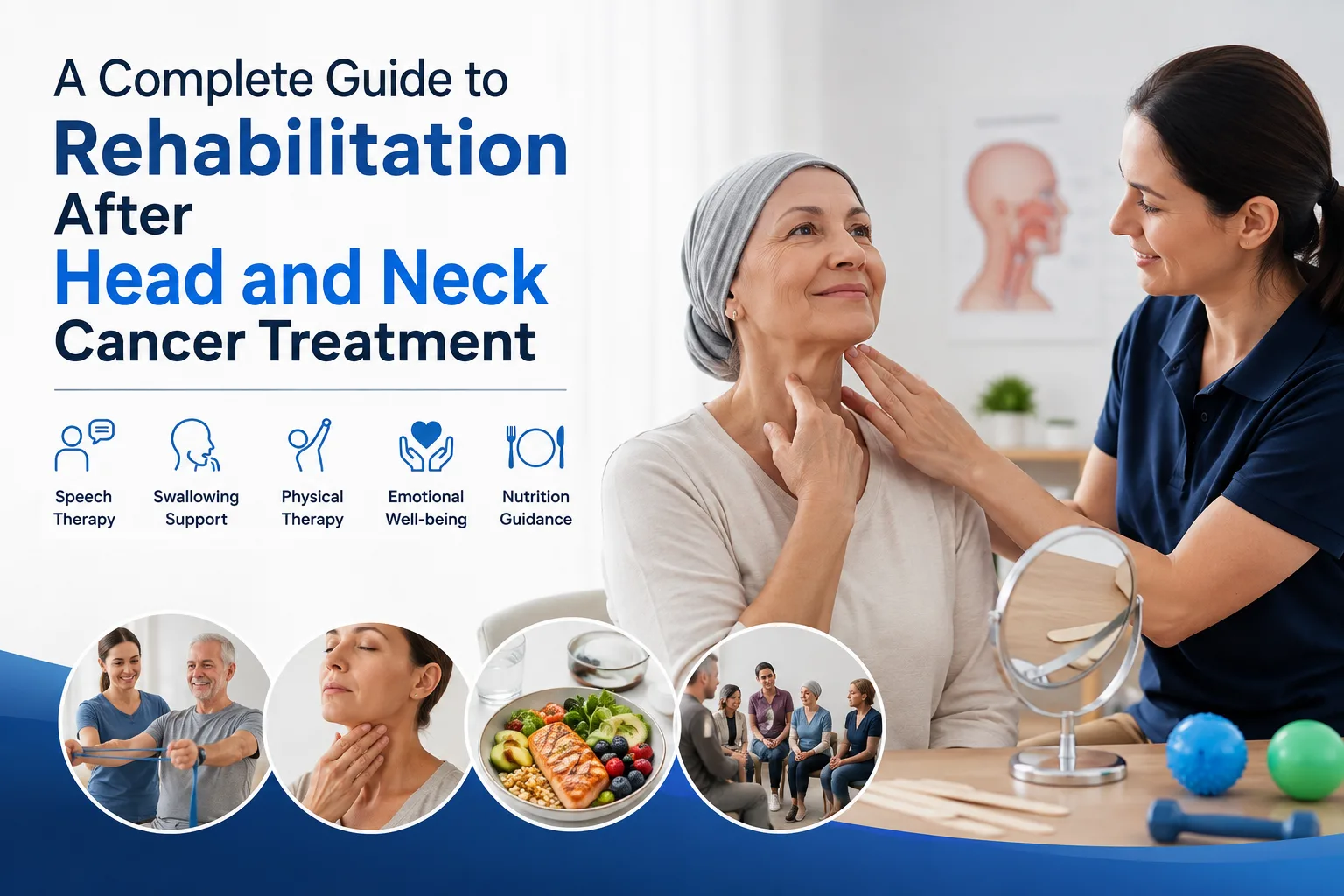
Completing treatment for head and neck cancer is a major milestone, but it's often just the beginning of another important journey: recovery. Surgery, radiation, and chemotherapy can be lifesaving, but they also leave lasting effects on the way a person speaks, swallows, breathes, and moves. This is why Rehabilitation After Head & Neck Cancer Treatment has become such a critical part of comprehensive cancer care. A well-planned rehabilitation program can help survivors regain function, reduce complications, and return to daily life with greater confidence and comfort.
This guide walks through what rehabilitation after head and neck cancer involves, why it matters, and what patients and caregivers can expect at each stage of the process.
Why Rehabilitation Matters So Much in Head and Neck Cancer
Head and neck cancers affect areas responsible for some of our most basic and essential functions — speaking, eating, breathing, and even facial expression. Treatments such as surgical resection, radiation therapy, and chemotherapy, while effective at eliminating cancer, often damage or alter the structures involved in these functions.
Common after-effects include:
- Difficulty swallowing (dysphagia)
- Changes in speech or voice quality
- Reduced jaw movement (trismus)
- Neck and shoulder stiffness or weakness
Because these issues can significantly affect quality of life, rehabilitation is not an optional add-on — it is an essential component of the overall treatment plan. Ideally, rehabilitation planning begins even before treatment starts, continues through active treatment, and extends well into survivorship.
The Multidisciplinary Rehabilitation Team
Recovering from head and neck cancer treatment usually requires input from several specialists working together. This team-based approach ensures that all aspects of a patient's recovery are addressed.
Speech and Voice Rehabilitation
Depending on the location and extent of the cancer, speech can be affected in different ways. Patients who undergo laryngectomy (removal of the voice box) will need to learn new ways to produce voice, such as through esophageal speech, a tracheoesophageal puncture with a voice prosthesis, or an electrolarynx device.
For patients whose oral cavity or tongue function is affected, speech therapy focuses on articulation exercises and strategies to improve clarity. Speech-language pathologists tailor rehabilitation plans to the specific communication needs of each patient, often working closely with them for months to help restore functional, understandable speech.
Managing Trismus and Restoring Jaw Mobility
Radiation therapy to the jaw area can cause the surrounding muscles and tissue to stiffen, a condition known as trismus. This limits how widely a person can open their mouth, which affects eating, oral hygiene, and dental care.
Managing Lymphedema
Swelling in the face, neck, or under the chin — known as lymphedema — is another common side effect, particularly after extensive surgery or radiation. Left untreated, lymphedema can cause discomfort, restrict movement, and affect appearance and self-esteem.
Emotional and Psychological Rehabilitation
The physical effects of head and neck cancer treatment often come with significant emotional challenges. Changes in appearance, voice, and the ability to eat or socialize can affect self-esteem and lead to anxiety, depression, or social withdrawal.
Final Thoughts
Rehabilitation after head and neck cancer treatment is not a single event but an ongoing process that evolves with the patient's needs. From swallowing and speech therapy to physical rehabilitation and emotional support, each component plays a vital role in helping survivors reclaim their quality of life.
If you or a loved one is navigating recovery after head and neck cancer treatment, working closely with a multidisciplinary rehabilitation team can make a meaningful difference. With the right support, many patients find that function, confidence, and everyday comfort can be restored — often beyond what they initially thought possible.
Original source: https://www.squeakafrica.com/blog/a-complete-guide-to-rehabilitation-after-head-and-neck-cancer-treatment