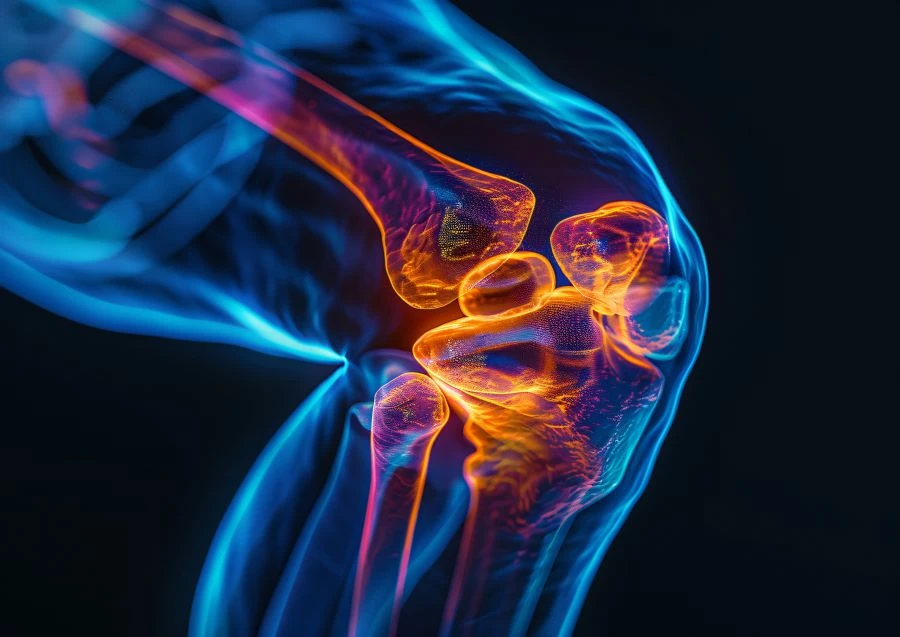
Undergoing joint replacement is a major life decision, and naturally, the rehabilitation process is a primary concern for most patients. Everyone wants to know how quickly they can return to walking, driving, and enjoying their hobbies. The timeline for Recovery After Robotic Knee Surgery is generally more favorable than traditional methods, thanks to the minimally invasive nature of the procedure. While every patient heals at their own pace, the precision of robotic assistance consistently helps reduce tissue trauma, leading to less pain and a faster return to functional activities.
The recovery journey is a partnership between the surgeon, the technology, and the patient's dedication to physical therapy. It is not a passive process; it requires effort. However, knowing what to expect at each stage can alleviate anxiety and help patients plan their lives accordingly.
The Immediate Post-Surgical Phase
The recovery process begins the moment the surgery ends. In the first 24 hours, the focus is on pain management and circulation. Unlike older surgical methods where patients were bedridden for days, modern protocols encourage "rapid recovery." Patients are often asked to stand and take a few steps with a walker within hours of waking up. This early movement is critical for preventing blood clots and reducing stiffness.
Because the robotic arm allows the surgeon to work within a confined space without disturbing healthy tissues, there is typically less swelling. This reduced inflammation is a key factor in the early days. Patients often report that the knee feels "tighter" but not necessarily as painful as they feared.
Weeks 1 to 4: Regaining Mobility
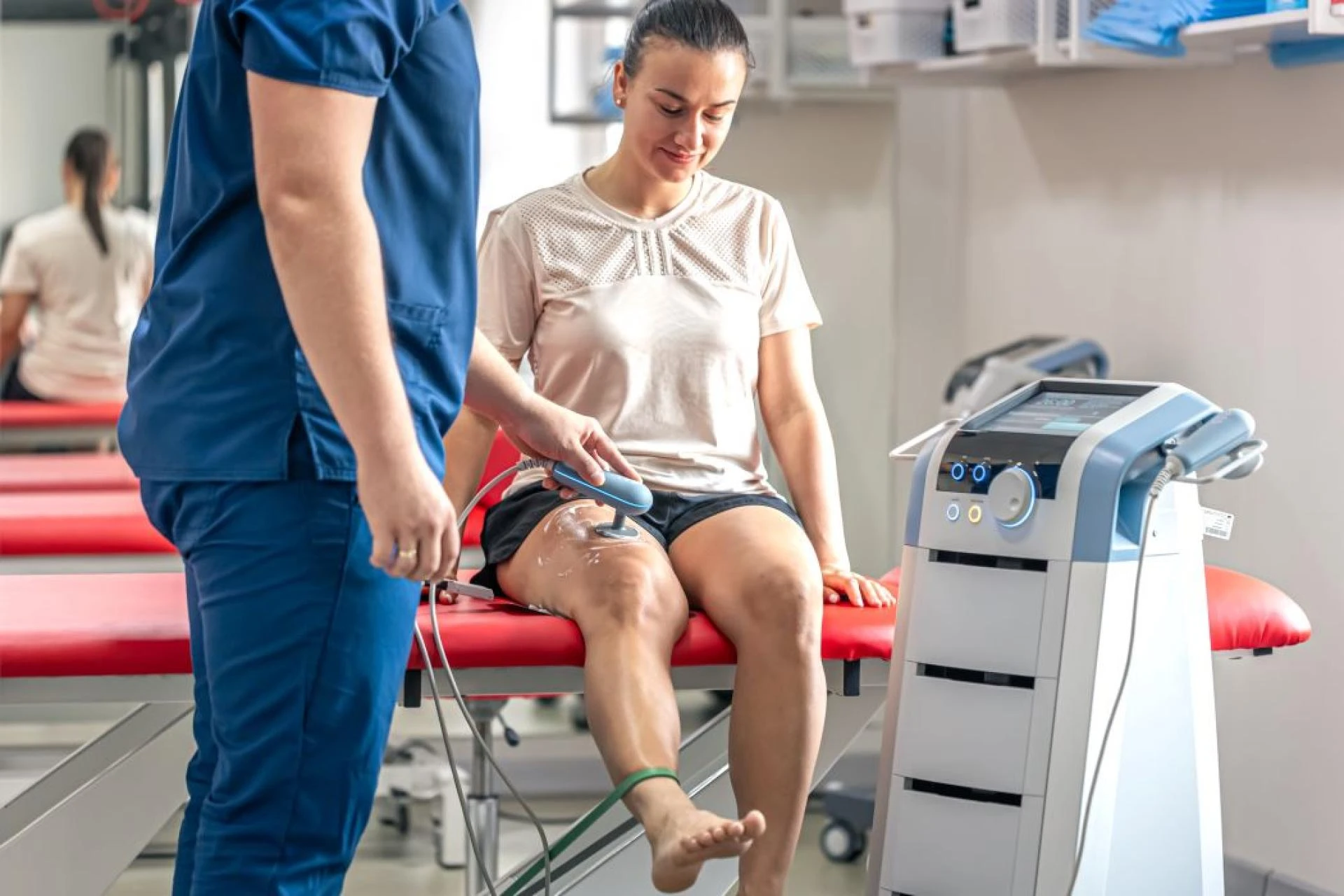
Once discharged from the hospital—usually within 2 to 3 days—the patient returns home. This is where Advanced robotic knee replacement technology really shines. Because the implant has been placed with alignment specific to the patient’s anatomy, the knee moves more naturally. During physical therapy sessions in the first month, patients work on flexion (bending) and extension (straightening).
The goal during this period is to reach a 90-degree bend. Patients will use a walker initially but will likely transition to a cane or walking stick by the third or fourth week. Daily exercises are crucial. The precision of the surgery means the ligaments are better balanced, so the patient doesn't have to "fight" the implant to get it to move. This often results in a smoother rehabilitation curve with fewer setbacks.
Weeks 4 to 12: Strengthening and Normalcy
By the one-month mark, inflammation should have subsided significantly. The focus shifts from range of motion to strengthening the quadriceps and hamstring muscles that support the knee. Most patients can resume driving between weeks 4 and 6, provided they are no longer taking narcotic pain medication and have regained sufficient reaction time.
During this phase, patients can return to low-impact daily activities. Going to the grocery store, light cooking, and walking around the neighborhood become possible. The "clunky" feeling that some patients experience with traditional replacements is often minimized with robotic surgery because the joint surfaces are matched so perfectly.
Long-Term Recovery: 3 Months and Beyond
Full recovery typically takes about 3 to 6 months. By this time, the bone has grown into the implant, securing it firmly. Patients can return to recreational activities like golfing, swimming, cycling, and doubles tennis. High-impact activities like jogging or jumping are generally discouraged to prolong the lifespan of the prosthetic, but the knee should feel stable and strong.
One of the distinct advantages of the robotic approach is the consistency of the leg length. In manual surgery, slight discrepancies in leg length can cause back pain or gait issues during recovery. The robot ensures leg length is maintained exactly as planned, preventing these secondary aches and pains during the rehab period.
Managing Expectations
It is important to remember that "faster recovery" does not mean "instant recovery." There will be days when the knee feels stiff, especially in the morning or when the weather changes. Ice packs and elevation remain the patient's best friends for several weeks. Listening to the body is crucial; pushing too hard too soon can cause swelling that sets recovery back.
Conclusion
The road to recovery is paved with small victories—the first step without a walker, the first full rotation on a stationary bike, the first pain-free walk in the park. Robotic technology clears the obstacles from this road, ensuring the anatomy is respected and the surgical trauma is minimized. With patience and persistence, the new knee will provide a stable foundation for an active, independent future.