
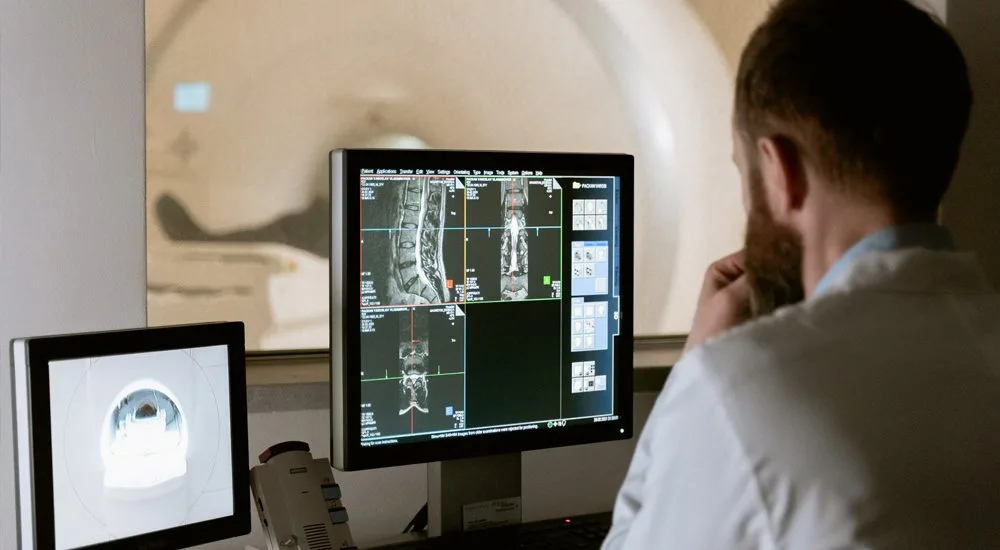
As healthcare systems continue to modernize, the importance of reliable remote diagnostic services has grown significantly. Choosing the right Teleradiology Provider goes beyond outsourcing image interpretation—it involves forming a strategic partnership that enhances diagnostic accuracy, improves workflow efficiency, and ultimately leads to better patient outcomes. Below is a more in-depth exploration of the nine essential features that define a trusted provider.
1. 24/7 Availability and Rapid Turnaround Time
Healthcare never stops, and neither should radiology services. A trusted provider ensures 24/7 teleradiology availability, including weekends and holidays, so that healthcare facilities can deliver uninterrupted care. Fast turnaround times are especially crucial in emergency situations such as trauma or stroke cases, where minutes can make a difference. Reliable providers establish clear turnaround benchmarks and consistently meet them without compromising report quality.
2. Highly Qualified and Subspecialized Radiologists
A strong team of radiologists is the foundation of any dependable service. Trusted providers employ board-certified professionals with subspecialty expertise in areas like neuroradiology, cardiothoracic imaging, and oncology imaging. This ensures that complex cases are handled by experts who understand the nuances of specific conditions. Continuous education and training further ensure that radiologists stay updated with the latest advancements in imaging and diagnostics.
3. Advanced Technology Integration
Technology plays a vital role in the efficiency of teleradiology services. Leading providers use advanced PACS and RIS platforms that allow seamless image transfer, storage, and retrieval. Many also incorporate AI-powered tools to assist in detecting abnormalities and prioritizing urgent cases. Smooth integration with hospital systems reduces delays, minimizes manual errors, and enhances overall productivity.
4. Data Security and Regulatory Compliance
Patient data security is a top priority in healthcare. A trusted provider follows strict compliance standards such as HIPAA and GDPR, ensuring that all data is encrypted and securely transmitted. Regular security audits, access controls, and data backup systems further strengthen protection. This not only safeguards sensitive information but also builds confidence among healthcare providers and patients.
5. Comprehensive Imaging Coverage
A reliable provider offers a wide range of imaging services, including X-rays, CT scans, MRIs, ultrasounds, and specialized studies. This comprehensive coverage allows healthcare facilities to rely on a single partner for diverse diagnostic needs. It also ensures consistency in reporting standards and reduces the complexity of managing multiple service providers.
6. Robust Quality Assurance Programs
Maintaining high diagnostic accuracy requires continuous quality monitoring. Trusted providers implement rigorous quality assurance programs that include peer reviews, double readings for critical cases, and regular performance evaluations. These measures help identify discrepancies, improve consistency, and ensure that reports meet the highest clinical standards.
7. Customizable and Structured Reporting
Every healthcare organization has unique workflows and reporting preferences. A dependable provider offers customizable reporting solutions, including structured templates tailored to specific specialties or requirements. Clear, concise, and standardized reports improve communication between radiologists and referring physicians, enabling faster and more accurate clinical decisions.
8. Effective Communication and Clinical Collaboration
Strong communication is essential for delivering quality care. Trusted providers enable direct interaction between radiologists and clinicians, allowing for real-time discussions of complex or urgent cases. Dedicated support teams are also available to handle technical issues, ensuring smooth operations and minimizing downtime. This collaborative approach strengthens clinical decision-making and patient care.
9. Scalability, Flexibility, and Proven Track Record
Healthcare demands can vary due to patient volume, seasonal trends, or unexpected emergencies. A reliable provider has the capacity to scale services accordingly, ensuring consistent performance during peak times. Additionally, a proven track record, positive client testimonials, and long-term partnerships indicate trustworthiness. Solutions like TopRad demonstrate this reliability by delivering scalable and efficient teleradiology services tailored to evolving healthcare needs.
Why Choosing the Right Partner Matters
Selecting the right Teleradiology Provider has a direct impact on both clinical outcomes and operational efficiency. A dependable partner not only ensures accurate and timely reports but also supports healthcare professionals with actionable insights. This leads to faster diagnoses, improved treatment planning, and enhanced patient satisfaction.
Final Thoughts
As the healthcare industry continues to embrace digital transformation, teleradiology is becoming an essential component of modern medical practice. By focusing on these nine key features, healthcare organizations can identify a provider that aligns with their goals and standards. Partnering with a trusted service like TopRad ensures access to expert radiologists, advanced technology, and reliable support—empowering healthcare providers to deliver high-quality, patient-centered care with confidence.