

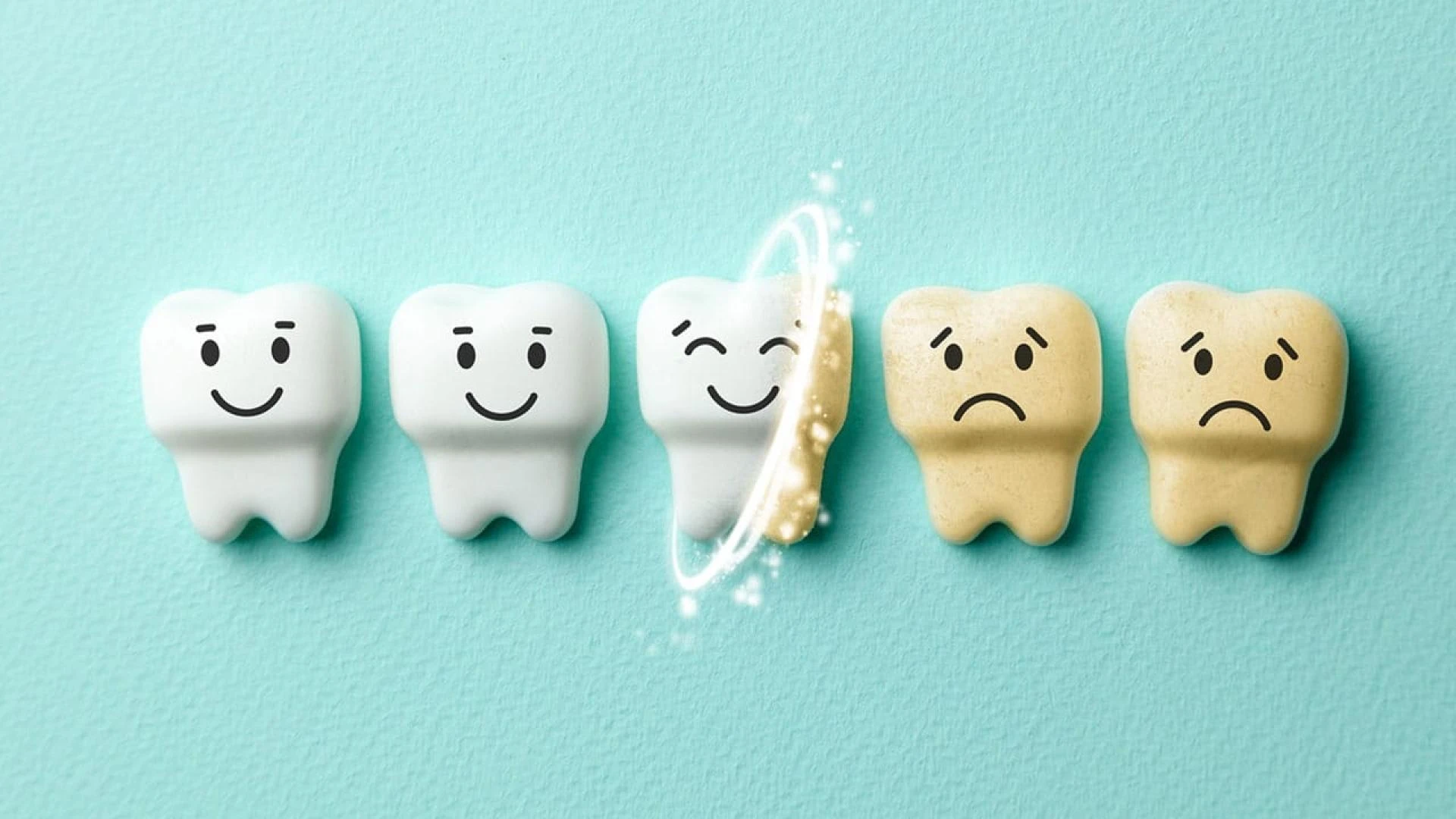
Teeth whitening is a popular treatment method for achieving a brighter, whiter, and more attractive smile. Many people experience discoloration of their enamel due to coffee, tea, smoking, red wine, or simply aging. However, it's important to understand that teeth whitening has its own characteristics that you should know about beforehand. In this article, we have compiled nine facts about teeth whitening to help you understand the topic and make the right decision.
1. Not all teeth can be whitened evenly
Some teeth respond less effectively to whitening than others. For example, if your teeth have become darker due to antibiotics (tetracycline staining), the results may be minimal. Dental fillings, crowns, and veneers also do not change color. This is important to consider to avoid a discrepancy between your natural teeth and the artificial materials after teeth whitening.
2. Teeth whitening is aesthetic, not medical
It's important to understand that teeth whitening is a cosmetic procedure. It doesn't strengthen teeth or treat any illnesses. The main goal is to improve the appearance of your smile. But a beautiful smile affects self-confidence, social interactions, and even your career. Therefore, many consider teeth whitening not just a whim, but an important step in self-presentation.
3. There are different whitening methods
Whitening is divided into professional and at-home methods. In-office whitening uses more concentrated products and special lamps or lasers, resulting in faster results. At-home systems (strips, gels, trays) produce a more gradual effect and require more time. Your dentist will choose the method based on the condition of your teeth and your desired outcome.
4. Whitening is not permanent
Many people believe that their teeth will stay white forever after treatment. In fact, depending on your lifestyle, the results can last anywhere from 6 months to 2 years. Smoking, coffee, tea, and food staining can accelerate discoloration. To maintain whiter teeth, dentists recommend repeat treatments or the regular use of gentle home remedies.
5. Increased sensitivity is a common side effect
One of the most common complaints after teeth whitening is increased tooth sensitivity. This is because the active ingredients penetrate the dentin and irritate the nerve endings. The sensitivity usually subsides within a few days, but it can be more pronounced in people with thin enamel. Your dentist may recommend special toothpaste or gels to reduce this effect.
6. Teeth whitening is not a substitute for good oral hygiene
Some people believe that teeth whitening solves all dental problems. However, if you have cavities, tartar, or gum disease, you should avoid teeth whitening. You should first have a professional cleaning and treatment at the dentist's office. Only then should you consider teeth whitening; otherwise, the effect will be weak or complications may occur.
7. Safety depends on the dentist's expertise
When used correctly, teeth whitening is considered safe. However, using inferior products or performing the treatment incorrectly can damage tooth enamel and gums. Therefore, it is important to only visit a qualified dentist and avoid questionable home remedies such as baking soda or lemon juice, as these can damage the enamel.
8. After the teeth whitening, a "white diet" is recommended
After teeth whitening, dentists recommend a special diet for 2-3 days. Avoid foods that can stain your teeth, such as coffee, tea, red wine, berries, beetroot, and sauces. A "white diet" is recommended, which includes dairy products, fish, chicken, rice, potatoes, and eggs. This helps maintain the results and prevents the rapid reappearance of discoloration.
9. Results vary from person to person
In some cases, teeth can become 8–10 shades whiter, while in others, only 2–3. It all depends on your natural color, the thickness of your enamel, your age, and your habits. Therefore, don't rely on before-and-after photos of other people. Your dentist can give you a general idea of the expected result, but the exact outcome can’t be predicted.


