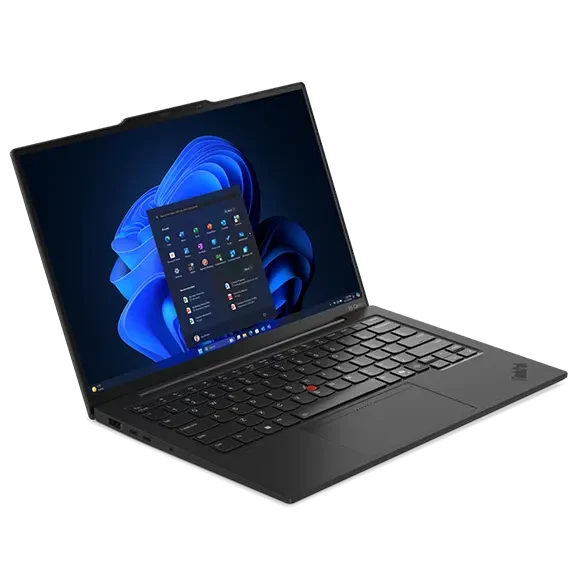
Technology keeps moving fast, and computers now work in smarter ways. In 2026, most modern systems include built-in neural processing units and AI accelerators.
Intel forecasts that roughly 130 million out of 260 million PCs shipped globally in 2026 will feature built-in AI processing, such as an NPU or similar dedicated hardware.
This number keeps rising as users demand speed and automation in daily work. Due to this change, AI computers are now capable of doing jobs that previously required human input. They process data in real time and learn from user behavior. This makes them faster and more useful.
As a result, people save time and reduce manual work. From office tasks to creative jobs, these systems keep improving each day.
This article explains eight smart tasks that AI computers handle easily in 2026 and why they matter for everyday users.
1. Real-Time Voice Processing and Commands
Voice recognition technology continues to advance annually. Nowadays, AI computers can comprehend human speech with a high level of accuracy, and natural language processing and deep learning help to transform voice into action. This facilitates easy and quick communication between users and machines. Voice commands have replaced typing, as many users find it more time- and energy-saving.
The computers are not only capable of hearing words but also of understanding them. They are capable of understanding them as well. This makes them capable of providing accurate answers without any confusion. The computers are capable of learning the voice of the user as well.
- Convert speech into text in real time
- Detect tone and user intent
- Execute commands without delay
- Improve accuracy using machine learning
Because of this feature, users can open apps, send messages, or search files using voice only. This reduces the need for manual input and makes work faster.
2. Smart Photo and Video Editing
AI-powered computers make editing simple and quick. They process images and videos with the help of computer vision and neural networks. This eliminates the use of manual editing skills. Even amateurs can now produce high-quality content easily. These systems process every frame and make intelligent corrections. They automatically change brightness, contrast, and color balance.
This enhances the end product without the additional effort by the user. Content creation becomes quicker and more effective. The way AI enhances the speed of editing. AI models are processed with the help of GPU acceleration and parallel processing.
This enables them to deal with huge files within a short time. The system minimizes the rendering time and enhances performance.
How AI Improves Editing Speed
AI models use GPU acceleration and parallel processing. This allows them to handle large files quickly. The system reduces rendering time and improves performance.
- Remove background automatically.
- Enhance image clarity using AI filters.
- Stabilize video frames.
- Adjust lighting and colors instantly.
It results in users being able to edit images and videos within a few seconds. This simplifies the work of creators as they are able to focus on ideas, instead of technical work.
3. Advanced Cybersecurity Protection
In contemporary computing, security is a major factor. AI computers protect systems using predictive analysis and behavior tracking. They trace the activity and identify threats before they can cause harm
Such systems are not based solely on known virus signatures. They analyze trends and detect abnormal behavior.
- Detect malware using behavior analysis.
- Block suspicious files instantly.
- Monitor network activity in real time.
- Learn from new threats automatically.
4. Automated Data Analysis
Computers with AI capabilities are fast at processing large data sets. They apply data mining and predictive analytics to discover useful information. This helps in making decisions that are better for businesses and individuals. These systems filter and sort data before analysis. They eliminate mistakes and emphasize significant trends. This enhances precision and time savings. This feature is now being used in many industries on a day-to-day basis.
Why Data Processing Becomes Faster
AI engines use parallel computing. This means they handle many tasks at the same time. This increases speed and efficiency.
- Sort and organize large data sets.
- Identify trends and patterns.
- Generate reports automatically.
- Reduce human errors in analysis.
Due to this, firms are able to make fast decisions. This results in improved productivity and better results.
5. Intelligent Multitasking
Artificial intelligence computers can handle various tasks without lagging. They employ workload balancing and system optimization. This guarantees easy performance even under heavy usage.
The system studies which apps need more power. It then allocates resources based on priority. This reduces lag and improves speed. Users are able to execute numerous programs simultaneously.
- Allocate CPU and GPU resources smartly.
- Reduce system lag during heavy tasks.
- Keep background apps running smoothly.
- Improve overall system performance.
Because of this, users experience faster responses and better efficiency. This makes daily work easier and more productive.
6. Personalized User Experience
AI-powered computers learn from user behavior and create a custom experience. They track usage patterns and adjust settings automatically. This renders devices more comfortable and user-friendly. As the system learns more about the user, it improves over time. It recommends applications and settings depending on daily routines. This eliminates the manual adjustments
- Recommend apps based on usage.
- Adjust brightness and sound automatically.
- Optimize battery life.
- Provide smart notifications.
7. Smart Content Creation
The AI computers assist in content creation in numerous ways. They generate text images and designs with the help of generative AI models. This helps users to create quality work within a short period of time.
These systems also suggest improvements. They correct grammar and enhance structure and visuals. This renders content more interesting and effective.
- Produce text with language models.
- Create images using AI tools.
- Recommend changes and amendments.
- Speed up creative workflows.
Due to this reason, writers, designers, and marketers are more efficient. They are also very quality in their output.
8. Predictive Maintenance and System Health
AI-powered computers monitor system health all the time. They track performance and detect issues early. This prevents major problems and reduces downtime.
The system sends alerts before hardware failure. This helps users take action in time. It also improves the life of the device.
- Detect hardware issues early.
- Send alerts for system problems.
- Optimize performance regularly.
- Reduce downtime and repair costs.
Conclusion
Computers that are powered by AI are still transforming the way people engage with technology. They are fast and precise in handling complex tasks. These systems enhance all aspects of digital life, such as voice processing and cybersecurity. They also help users to save time and effort.
These computers will be smarter and more efficient as the AI technology expands. They are useful in the future because of their learning and adaptability. This development is beneficial to businesses and individuals. The example of AI computers in 2026 is a good illustration of how intelligent systems can make work easier and enhance daily experiences.