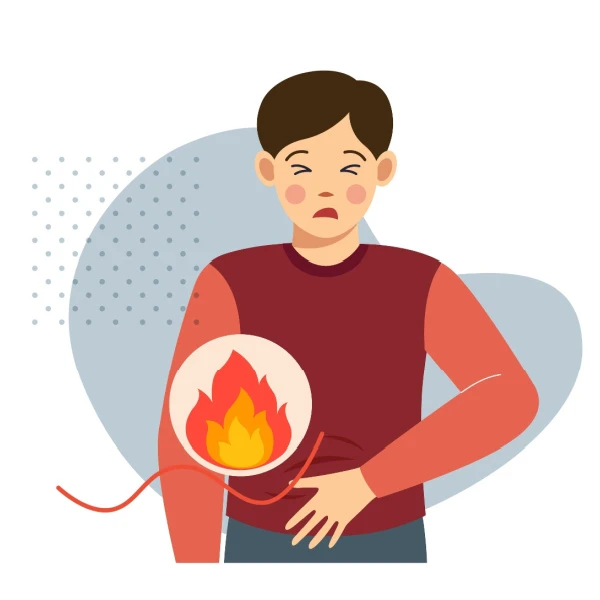
Heartburn is an unpleasant burning sensation behind the breastbone that occurs when acidic stomach contents flow back into the esophagus. Although it sometimes occurs after a heavy meal and quickly disappears, for some people, heartburn becomes a regular problem that impairs their quality of life. To understand how to deal with it, it's helpful to know the key facts about this condition.
1. Heartburn is not a disease, but a symptom
Many people believe heartburn is a disease in itself. In fact, it's a symptom that can indicate gastroesophageal reflux disease (GERD) or other digestive system disorders. If heartburn occurs frequently, you can search for "gastroenterologist near me" for proper diagnosis and treatment.
2. The cause is a weakened esophageal sphincter
Normally, there is a ring of muscle between the stomach and esophagus—the lower esophageal sphincter. It closes as soon as food enters the stomach, preventing acid from rising. If this "valve" is weakened or malfunctions, acid flows freely into the esophagus, causing a burning sensation.
3. Diet directly influences the frequency of heartburn
Some foods increase the risk of heartburn. These include fatty and fried foods, spicy foods, chocolate, coffee, alcohol, carbonated drinks, and citrus fruits. These foods either relax the esophageal sphincter or increase acid production. Reducing their amount in the diet often helps reduce the frequency of heartburn.
4. Overeating increases heartburn
The more you eat at one time, the more your stomach expands. This puts pressure on the esophageal sphincter and contributes to the reflux of acid into the esophagus. Large dinners before bedtime are especially dangerous. It is optimal to eat small portions 4-5 times a day and eat dinner no later than 3 hours before bedtime.
5. Light exercise helps, but not immediately after eating
A short walk after eating can aid digestion, but vigorous exercise or bending over immediately after eating can trigger heartburn. This is because exercise increases intra-abdominal pressure, making it easier for stomach acid to rise into the esophagus. To minimize discomfort, wait at least 30–60 minutes before engaging in more intense physical activity.
6. Medications can both promote and cause heartburn
Some medications reduce stomach acid production—antacids, proton pump inhibitors, and H2 histamine receptor blockers. However, there are also medications that increase the risk of heartburn. These include some painkillers, antihypertensive medications, and bronchodilators. Therefore, if you experience regular heartburn, it is important to discuss all medications you are taking with your doctor.
7. Obesity increases the risk of heartburn
Obesity increases pressure on the stomach organs and contributes to the reflux of stomach acid into the esophagus. Even a small amount of weight loss often leads to a reduction in the frequency of heartburn in overweight people. Adopting gradual lifestyle changes, such as improving diet and increasing daily activity, can make weight management more sustainable and effective.
8. Lying down after eating causes heartburn
Lying down makes it easier for stomach acid to move from the stomach into the esophagus. This is why heartburn is often worse at night. To reduce the risk of nighttime attacks, it is recommended to sleep with your head elevated or on your left side – in this position, the stomach is below the esophagus, making it harder for acid to rise.
The bottom line
Heartburn is a common but often underestimated symptom. It can be caused by lifestyle, diet, obesity, taking certain medications, or diseases of the stomach and esophagus. If it occurs frequently, it is better not to limit yourself to home remedies but to get checked out. Timely identification and treatment of the cause helps prevent complications and restore well-being in everyday life.