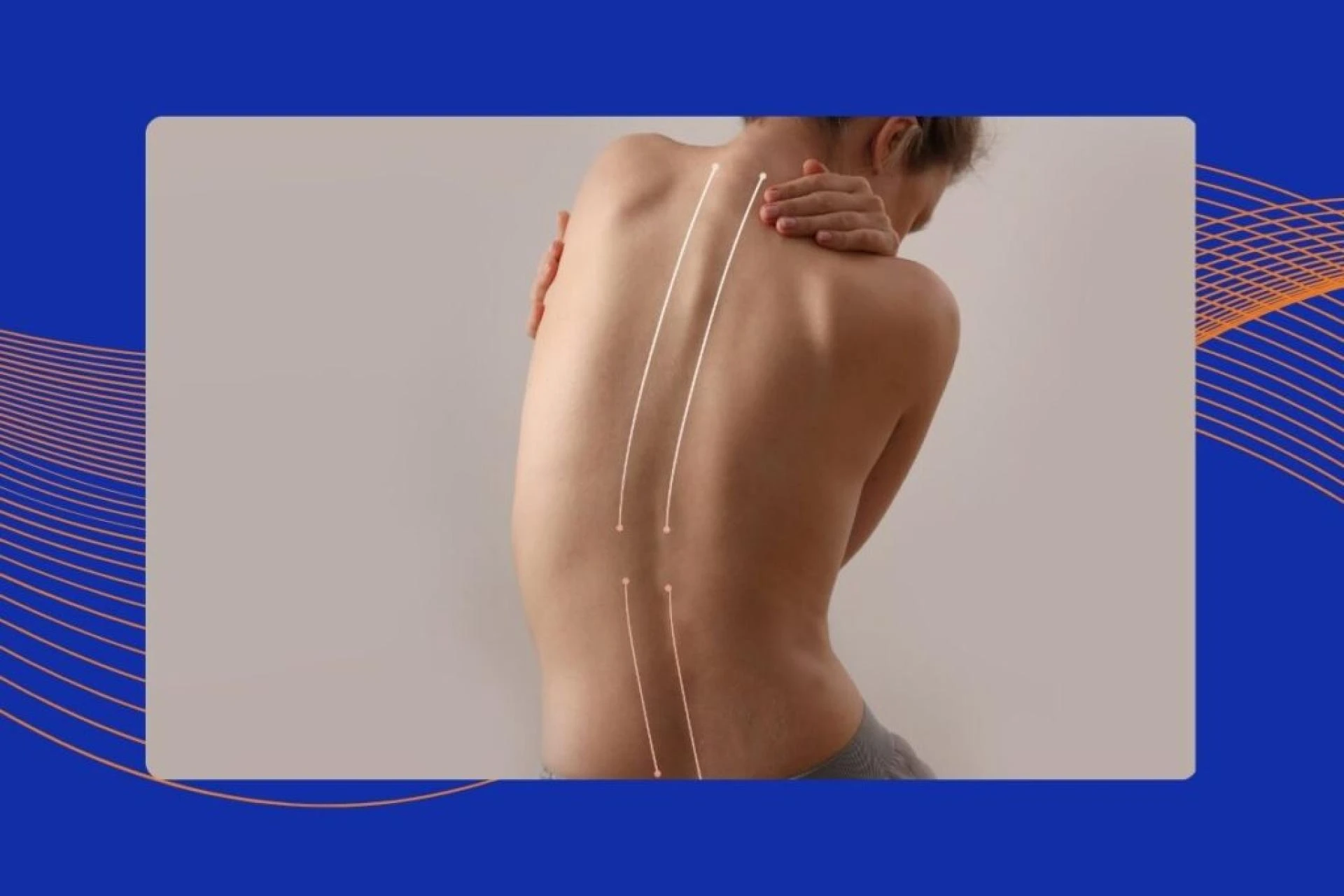
Scoliosis affects people of all ages, and early awareness can make a major difference in how well it is managed. While some cases are mild and require monitoring, others need more structured care to prevent progression. Understanding the habits, strategies, and treatment options available can help reduce discomfort and support long-term spine health. Here are seven effective ways to prevent or manage scoliosis:
1. Maintain regular posture awareness
Posture plays an important role in supporting a healthy spine. Many people spend long hours sitting at desks, working on laptops, or looking down at phones, which can place uneven pressure on the back. Maintaining good posture helps distribute weight evenly and keeps the spine aligned. Simple habits, such as sitting upright, adjusting chair height, and avoiding slouching, can help reduce strain. Parents should also pay attention to how children sit, carry backpacks, and position themselves during schoolwork. Over time, posture awareness can help prevent additional curvature and minimize discomfort, especially in those with mild scoliosis.
2. Understand when medical intervention is necessary
Although many cases of scoliosis can be managed with conservative care, some individuals experience rapid or severe progression that requires medical intervention. Understanding the range of treatment options is important for making informed decisions. Monitoring by a specialist helps determine when bracing, physical therapy, or other strategies may be helpful. In more serious situations, scoliosis surgery may be recommended to prevent further curvature or improve quality of life. Suppose you notice increasing pain, changes in posture, or visible asymmetry in the shoulders or hips. In that case, it is important to seek professional evaluation to explore the safest and most effective treatment path.
3. Strengthen core and back muscles through targeted exercise
Exercise is a key component of scoliosis management. Strengthening the muscles that support the spine can reduce discomfort, improve posture, and lessen the risk of progression. Activities such as Pilates, yoga, swimming, and guided physical therapy exercises can be especially beneficial. A strong core provides stability, while flexible back muscles help maintain a healthier range of motion. Structured exercise programs designed specifically for scoliosis, such as the Schroth method, can also offer targeted corrective movements. Consistency is crucial, since long-term muscle support helps keep the spine aligned and reduces uneven tension.
4. Use bracing when recommended
For younger individuals whose bones are still developing, bracing can play a valuable role in preventing curve progression. Modern braces are more comfortable and discreet than those used in the past, allowing children and teens to participate in most daily activities without major disruption. When used as recommended by a specialist, bracing can significantly reduce the likelihood of the curve worsening. Although it may take time to adjust emotionally and physically, bracing is a proven tool for managing scoliosis during growth periods. Successful use requires regular monitoring and proper brace fitting to ensure optimal results.
5. Practice healthy movement habits during daily activities
Daily activities can influence how the spine responds to stress and pressure. Simple habits such as lifting with the legs instead of the back, avoiding carrying heavy bags on one shoulder, and using supportive footwear can make a positive difference. Stretching throughout the day helps ease strained muscles and encourages better alignment. Students should avoid overloaded backpacks, and adults who work physically demanding jobs should be conscious of repetitive movements that may place uneven stress on the spine. Developing healthy movement patterns is a practical, low-effort way to support long-term spine stability.
6. Keep a close eye on growth and development in children
Scoliosis often appears or progresses during periods of rapid growth, especially in adolescence. Parents should watch for signs such as uneven shoulders, clothing that hangs unevenly, or one hip appearing higher than the other. Regular checkups with a pediatrician or spine specialist are important during growth spurts. Early detection allows for more effective intervention and may prevent the need for advanced treatment later on. Even subtle changes can be significant, making consistent monitoring essential. Encouraging good posture and healthy activity levels during childhood also helps create a strong foundation for long-term spinal health.
7. Seek ongoing professional guidance for personalized care
Scoliosis can vary widely from person to person, which means personalized treatment is essential. A spine specialist or physical therapist can provide tailored recommendations based on the specific type and severity of scoliosis. Regular follow-up visits help track progress and address any changes quickly. Professional guidance also ensures that exercises, stretching routines, and daily habits are appropriate for your condition. Consistent care offers reassurance and helps keep the spine as healthy and stable as possible.